
Bacterial Communities Drive Soil Health, Plant Growth, and Soybean Yield
Greg Howard
20th July, 2024


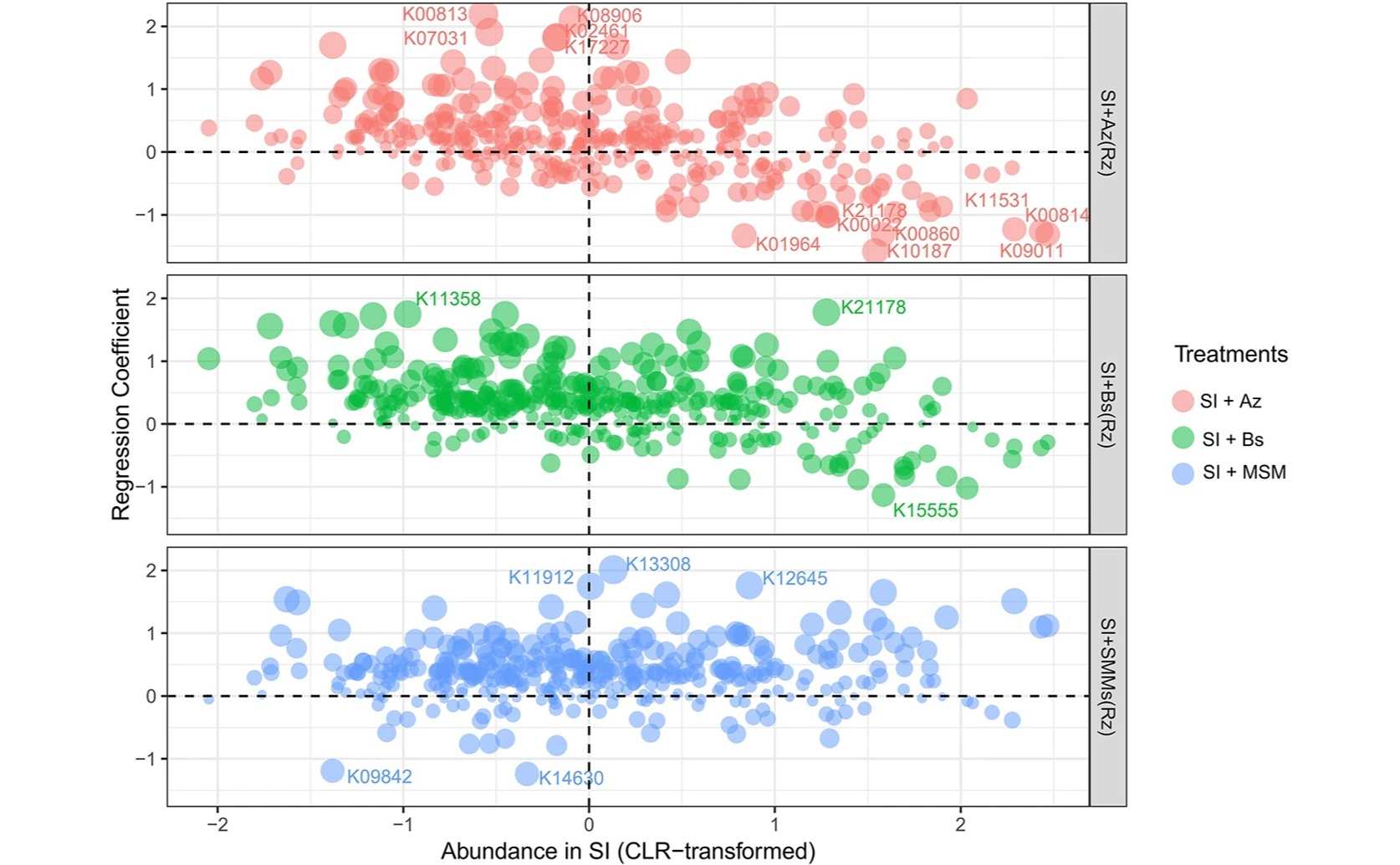
Inoculation with different bacterial consortia distinctly altered the functional capabilities of the soybean rhizosphere microbiome, with Azospirillum brasilense enhancing functions related to photosynthesis and metabolism, while Bacillus subtilis and microbial metabolites primarily boosted pathways for synthesizing secondary metabolites and amino acids.
Key Findings
- The study, conducted in São Paulo State University, Brazil, found that different bacterial consortia significantly improved soybean plant health and soil fertility
- Inoculating soybeans with specific bacterial combinations increased nutrient uptake, photosynthetic activity, and grain yield
- The bacterial treatments enhanced the rhizosphere's microbial diversity and function, promoting sustainable and productive farming practices
AgricultureBiochemPlant Science
References
Main Study
1) Diverse bacterial consortia: key drivers of rhizosoil fertility modulating microbiome functions, plant physiology, nutrition, and soybean grain yield
Published 19th July, 2024
https://doi.org/10.1186/s40793-024-00595-0
Related Studies
2) Impact of plant domestication on rhizosphere microbiome assembly and functions.
3) Revitalization of plant growth promoting rhizobacteria for sustainable development in agriculture.
4) The PGPR Bacillus aryabhattai promotes soybean growth via nutrient and chlorophyll maintenance and the production of butanoic acid.
Related Articles
 16th July, 2024 | Jim Crocker