Tea tree oil alters gene activity in roses, revealing potential benefits

Jim Crocker
5th February, 2026

Tea tree oil alters gene activity in roses, revealing potential benefits

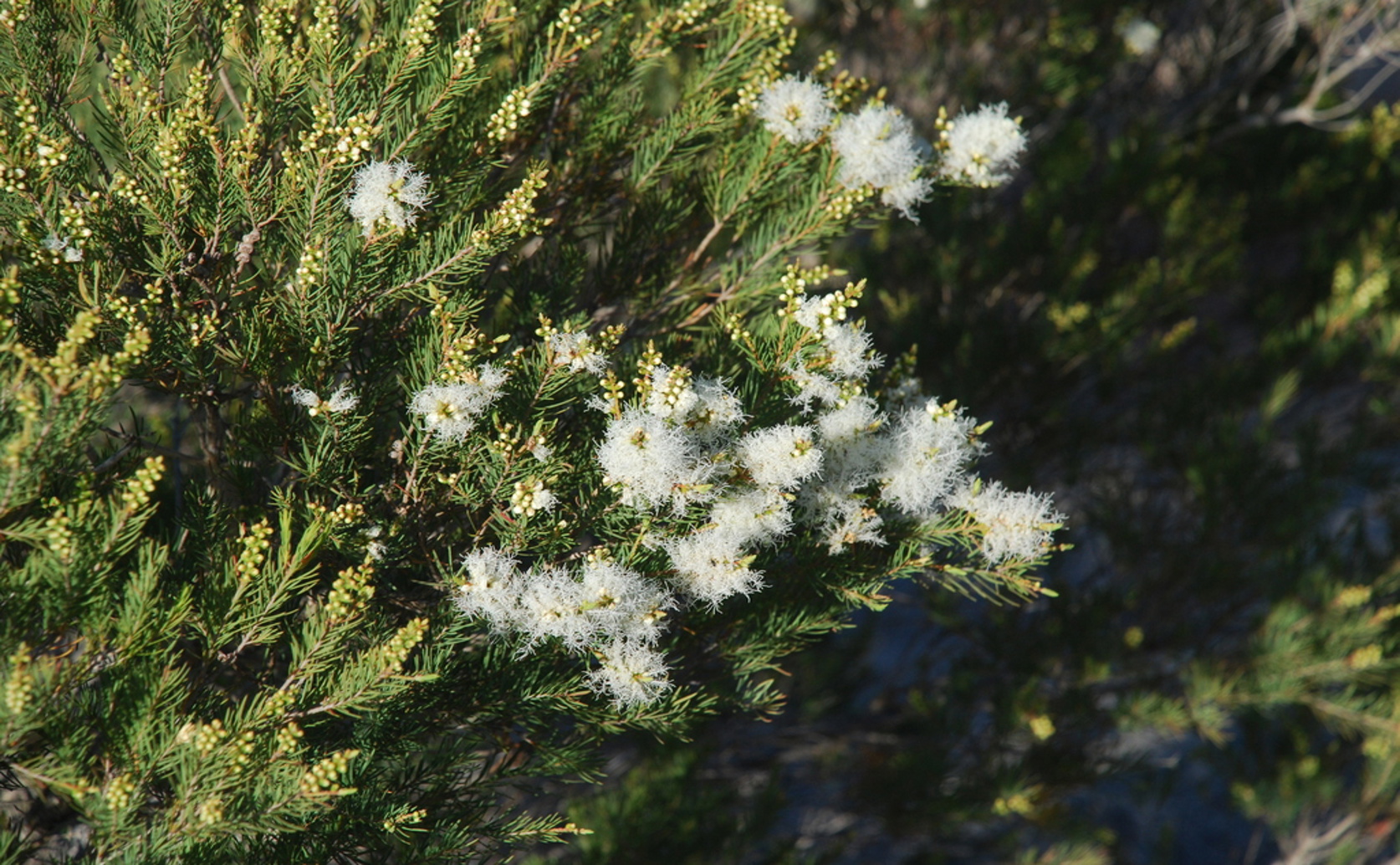
A new study reveals that oil from the tea tree, Melaleuca alternifolia (pictured), activates a rose's own defense genes to help it fight off damaging fungal disease.

Photo adapted from: Татьяна Максимова / CC BY (Source)

Key Findings

  • In rose plants grown industrially, Tea Tree Oil (TTO) treatment significantly altered gene activity primarily in leaves, not petals
  • TTO exposure in leaves activated genes involved in plant defense, lipid processing, and cell wall adjustments, suggesting it boosts plant immunity
  • TTO treatment triggered changes in petal genes related to hormone signaling and metabolism, indicating potential effects on floral development and stress response
The increasing resistance of fungi to conventional treatments is a growing global concern, impacting both human health and agricultural productivity[2][3]. Traditional antifungal drugs are becoming less effective, driven by the fungi’s ability to adapt and evolve resistance when repeatedly exposed to these chemicals. This poses a significant threat to food security and requires the development of alternative strategies to control fungal diseases. One promising avenue is the exploration of natural compounds with antifungal properties, offering a potentially less resistance-prone approach. Researchers at U Antioquia and USC recently investigated the use of Tea Tree Oil (TTO) (derived from Melaleuca alternifolia) as a replacement for synthetic fungicides in Rosa hybrida, commonly known as roses, grown under controlled industrial conditions[1]. This study aimed to understand how plants respond at a molecular level when treated with TTO, and whether it could effectively stimulate the plant’s own defenses against fungal infections. The core of the research involved a ‘transcriptomic approach’ – essentially, analyzing which genes are switched on or off within the plant when exposed to TTO. This provides a detailed picture of the plant’s internal response. The study focused on two parts of the rose plant: the leaves and the petals. Leaves exhibited a substantial change in gene activity, with 26 genes being activated (upregulated) and one being deactivated (downregulated) in response to TTO. Petals, however, showed a more limited response. This difference is likely due to the petal’s primary function being pollination and its shorter lifespan compared to the leaves. Leaves, as the primary sites of photosynthesis and growth, are more likely to exhibit robust systemic responses to external stimuli. The genes that were activated in the leaves were specifically involved in three key areas: lipid metabolism (how the plant processes fats), cell wall modification (adjusting the structure of the plant’s outer layer), and plant defense mechanisms. This suggests that TTO doesn’t just kill fungi directly, but also acts as a ‘bio-stimulant’ – essentially, it primes the plant's immune system, making it more resistant to fungal attacks. This finding aligns with previous research demonstrating TTO’s capacity to enhance plant stress responses. The changes observed in petals were more subtle, but still noteworthy. A few genes involved in regulating other genes (transcriptional regulators) were activated, while genes related to enzymes that break down fats (lipase-like enzymes), detoxification (cytochrome P450s), and sugar metabolism (glucoside malonyltransferase) were deactivated. The downregulation of these enzymes may indicate a shift in metabolic pathways within the petals, potentially influencing their fragrance or attractiveness to pollinators. The findings of are particularly relevant when considered alongside the broader context of pesticide use in agriculture. A study conducted in Ecuador, for example, highlighted the health risks associated with the indiscriminate use of pesticides, including fungicides, among farmers[4]. These risks include eye irritation, headaches, and nasal irritation, and are often exacerbated by a lack of education and proper safety practices. The development of alternatives like TTO could reduce reliance on these harmful chemicals, mitigating these health concerns. Furthermore, the increasing prevalence of fungal infections and drug resistance[2][3] underscores the urgent need for innovative antifungal strategies. While conventional treatments remain important, the potential for fungi to develop resistance necessitates exploring alternatives that work by different mechanisms. TTO, by activating the plant's own defenses, offers a different approach compared to directly killing fungi with synthetic compounds. It’s important to note that the study was conducted under controlled industrial conditions; further research is needed to assess the effectiveness of TTO in diverse agricultural settings and to optimize its application for maximum benefit.

HerbsBiochemPlant Science

References

Main Study

1) Insights into tea tree oil-mediated transcriptome modulation in Rosa hybrida

Published 2nd February, 2026

https://doi.org/10.1371/journal.pone.0341809


Related Studies

2) Overcoming Global Antifungal Challenges: Medical and Agricultural Aspects.

https://doi.org/10.1021/acsbiomedchemau.5c00103


3) Emerging Antifungal Resistance in Fungal Pathogens.

https://doi.org/10.1007/s40588-024-00219-8


4) Evaluation of pesticide contamination risks and sustainable practices in Ecuadorian agriculture.

https://doi.org/10.1038/s41598-024-76733-y


Related Articles

An unhandled error has occurred. Reload 🗙