
New DNA chip helps track fungal genetics and diversity
Jenn Hoskins
21st January, 2026


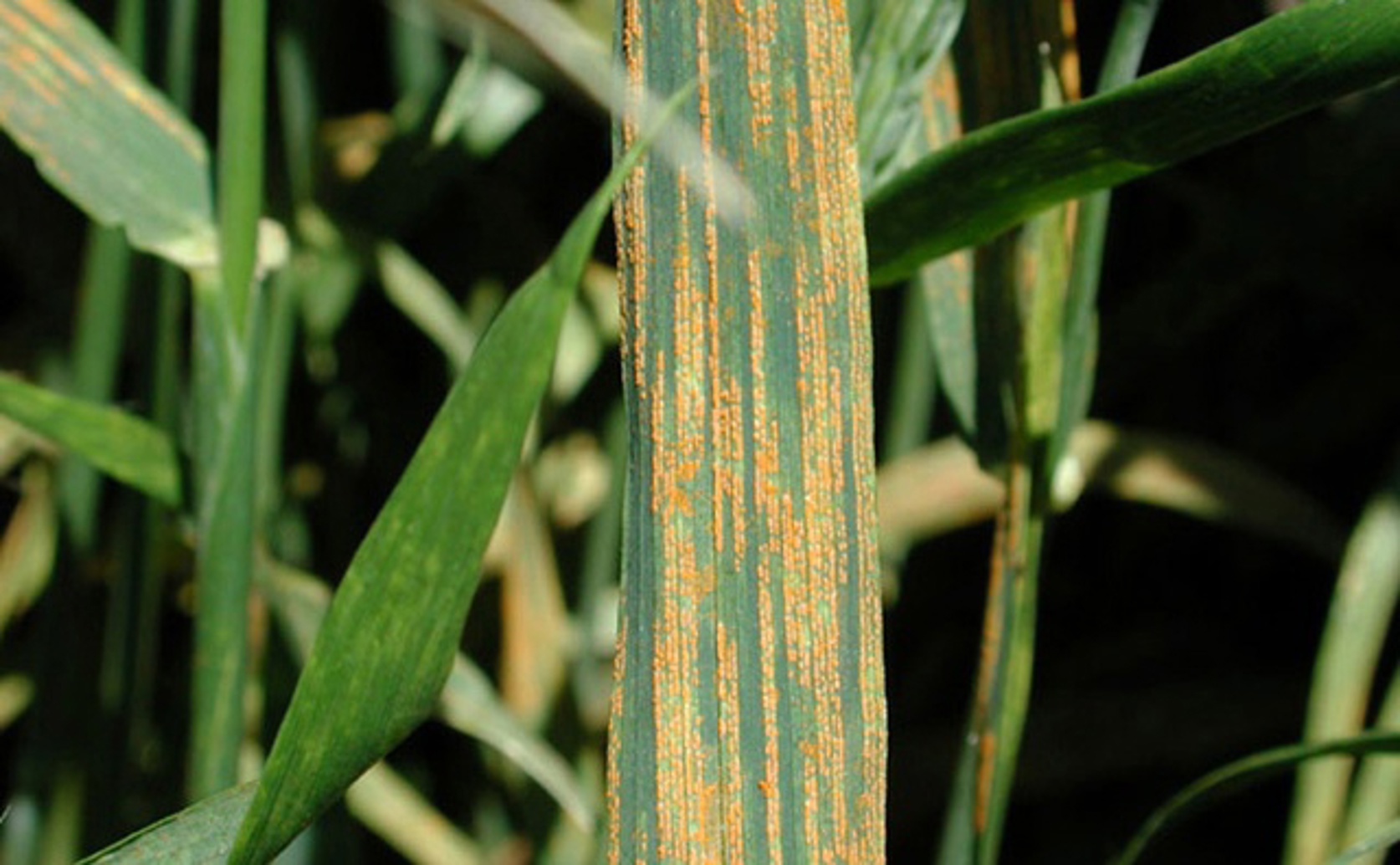
The symptoms of wheat stripe rust, caused by the fungus Puccinia striiformis f. sp. tritici (pictured), are the result of a highly interconnected pathogen population whose extensive gene flow and migration patterns were revealed by a novel genotyping chip.
Key Findings
- In northwest China, a new chip rapidly analyzes wheat stripe rust fungus genetics, overcoming slow traditional methods
- Analysis of fungus samples revealed three distinct genetic groups within the region’s pathogen population
- Gene flow occurs between these groups, particularly between Qinghai and Gansu provinces, likely aided by wind patterns
References
Main Study
1) The development and validation of a genotyping-by-target sequencing chip for fungal population genetic analysis
Published 19th January, 2026
https://doi.org/10.1007/s44154-025-00281-2
Related Studies
2) A rapid genotyping method for an obligate fungal pathogen, Puccinia striiformis f.sp. tritici, based on DNA extraction from infected leaf and Multiplex PCR genotyping.
3) Origin, migration routes and worldwide population genetic structure of the wheat yellow rust pathogen Puccinia striiformis f.sp. tritici.
4) Molecular Characterization of Wheat Stripe Rust Pathogen (Puccinia striiformis f. sp. tritici) Collections from Nine Countries.
5) Fast model-based estimation of ancestry in unrelated individuals.
Related Articles
 14th November, 2024 | Jenn Hoskins