
Metabolism in captive Asian elephants reveals insights into health
Greg Howard
19th December, 2025


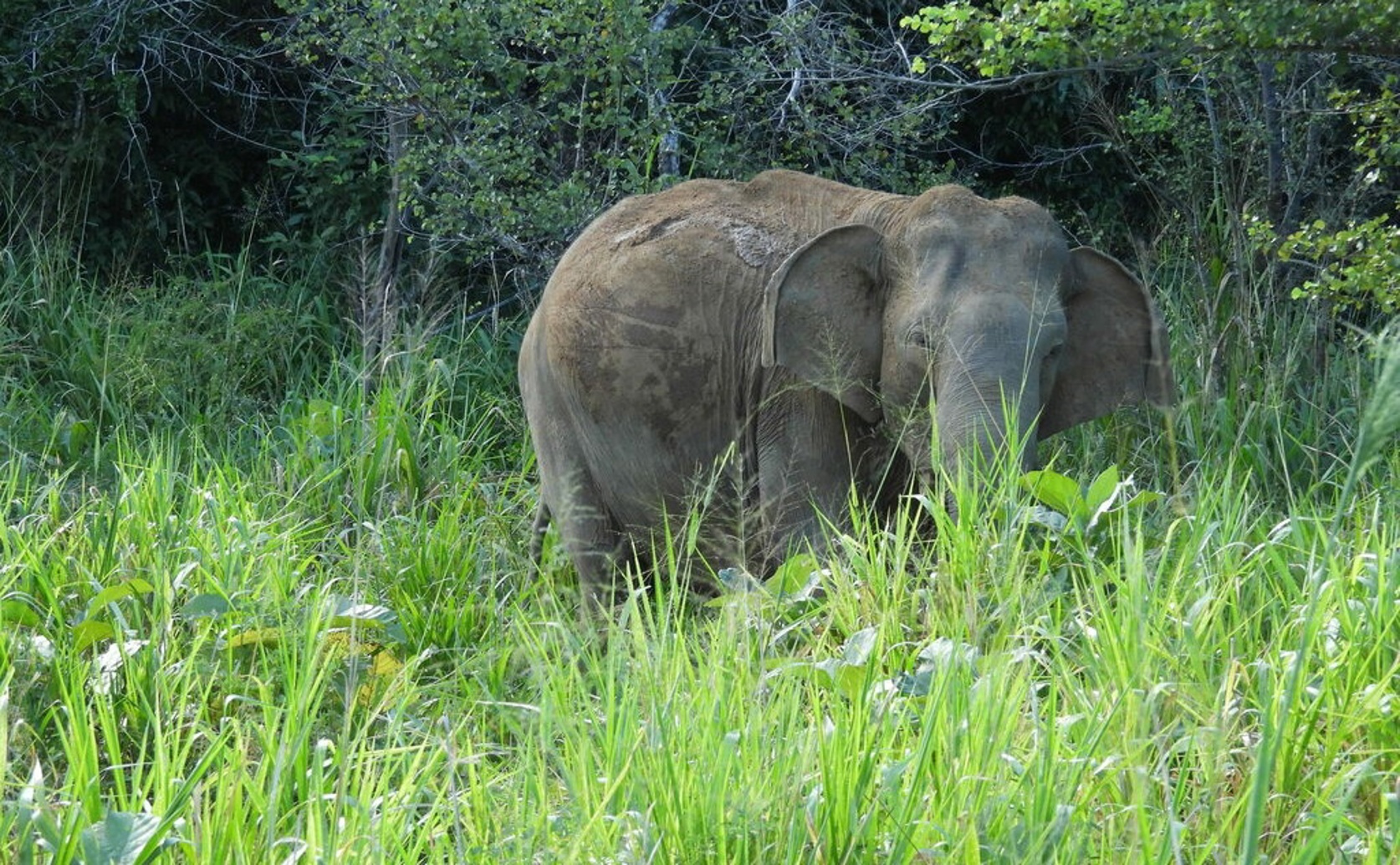
This study reveals that the physical condition of the Asian elephant (Elephas maximus, pictured) is a direct reflection of its captive management, with naturalistic, foraging-based lifestyles promoting healthier metabolic outcomes than diets supplemented for tourism.
Key Findings
- This study, comparing elephants in Laos and Thailand, found that those in Laos generally had healthier metabolic profiles due to more natural foraging and exercise
- Elephants in Thailand exhibited higher glucose, insulin, and cholesterol levels, linked to high-calorie diets and limited activity, even during the tourism shutdown
- Despite better metabolic health, elephants in Laos showed higher stress hormone levels, potentially due to recent social changes or pandemic-related disruptions in care
References
Main Study
1) Metabolic profiles of captive Asian elephants (Elephas maximus) in Lao PDR and Thailand
Published 17th December, 2025
https://doi.org/10.1371/journal.pone.0334550
Related Studies
2) Elephant Tourism in Thailand: A Review of Animal Welfare Practices and Needs.
3) Commonalities in Management and Husbandry Factors Important for Health and Welfare of Captive Elephants in North America and Thailand.
4) Wild-captive interactions and economics drive dynamics of Asian elephants in Laos.
Related Articles
 22nd April, 2024 | Jim Crocker