Fig tree fruit shows promise in managing diabetes by improving sugar control

Jenn Hoskins
2nd December, 2025

Fig tree fruit shows promise in managing diabetes by improving sugar control

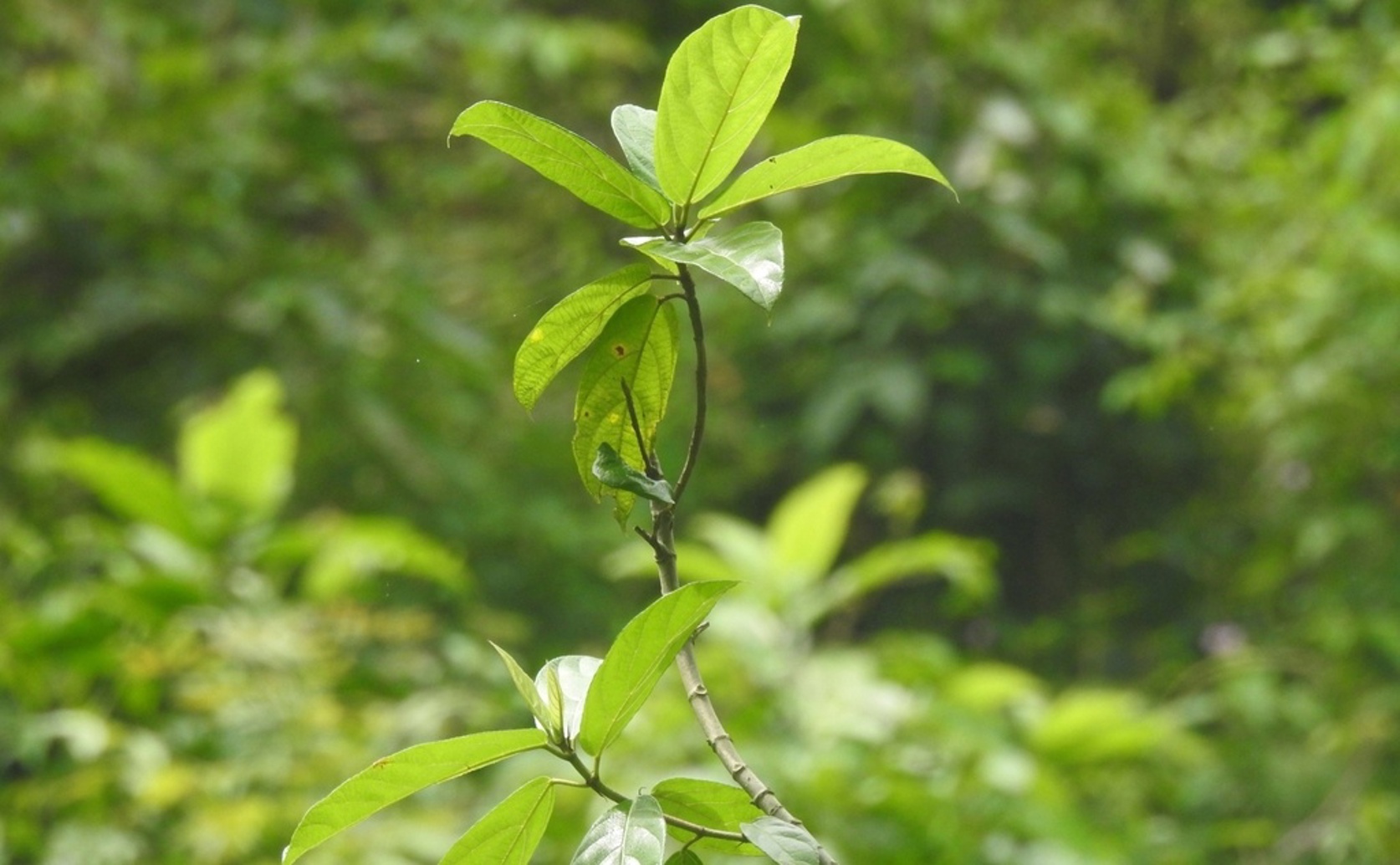
Ficus hispida

Photo adapted from: Manoj Karingamadathil / CC BY SA (Source)

Key Findings

  • This study, from researchers in Bangladesh and Brazil, investigated Ficus hispida fruit as a potential natural treatment for type 2 diabetes
  • The fruit extract effectively slowed carbohydrate breakdown, similar to existing medication, by inhibiting the α-glucosidase enzyme and reducing blood sugar spikes
  • Key compounds within the fruit, particularly gallic acid and alpinumisoflavone, showed promise in protecting insulin-producing cells by blocking caspase-3, a protein involved in cell death
Type 2 diabetes mellitus (T2DM) is a growing global health concern, affecting hundreds of millions worldwide and projected to increase significantly in the coming decades[2]. The condition arises from the body’s inability to effectively regulate blood glucose levels, often due to issues with insulin activity and the destruction of insulin-producing cells in the pancreas. Current treatments range from oral medications to insulin therapy, but these can have limitations including side effects and the need for frequent dosing[3]. Consequently, there’s ongoing research into alternative and complementary therapies, particularly those derived from natural sources. Recent research from Noakhali Science and Technology University, BCSIR Laboratories, Jashore University of Science and Technology, Universidade Federal do Para, and BCSIR, investigated the potential of Ficus hispida fruits – a plant found in various parts of the world – as a natural treatment for T2DM[1]. The study focused on an extract from the fruit, called FhME, and its ability to address key aspects of the disease. The researchers found that FhME effectively inhibited α-glucosidase, an enzyme responsible for breaking down carbohydrates in the gut. By slowing down this process, the rate at which glucose enters the bloodstream is reduced, helping to manage blood sugar levels. In fact, FhME’s inhibitory activity was comparable to acarbose, a commonly prescribed medication for this purpose. Further analysis identified 26 different polyphenolic compounds within the FhME extract, suggesting a complex mix of potentially beneficial substances. A key aspect of T2DM is the loss of pancreatic beta cells – the cells that produce insulin. This loss often occurs through a process called apoptosis, or programmed cell death, which involves a cascade of molecular events. The study identified caspase-3 as a crucial player in this process. Caspase-3 is an enzyme that, when activated, triggers the final stages of apoptosis. Using computational methods, the researchers explored how FhME and its individual compounds might interact with and potentially inhibit caspase-3. Network pharmacology, a technique that maps out complex biological interactions, revealed that FhME’s phytoconstituents (the active chemical compounds in the plant) targeted 70 genes linked to T2DM, with caspase-3 being a central focus. Molecular docking – a computer simulation that predicts how well a molecule fits into the active site of a protein – showed that several compounds from FhME had a strong affinity for caspase-3. Specifically, alpinumisoflavone and chlorogenic acid were identified as particularly stable binders. Further simulations, running for 200 nanoseconds, confirmed that gallic acid and alpinumisoflavone formed the most stable complexes with caspase-3, suggesting they could effectively block its activity. These findings suggest that Ficus hispida fruits may offer a dual-action approach to T2DM treatment. Firstly, by inhibiting α-glucosidase, it can help control blood sugar spikes after meals. Secondly, by modulating caspase-3, it may protect pancreatic beta cells from apoptosis, potentially preserving insulin production. The impact of diabetes extends beyond blood sugar control. Studies have shown that diabetes significantly reduces both the length and quality of life, particularly in older women, and these effects are worsened by factors like obesity and lower education levels[4]. The global burden of diabetes is substantial, with high healthcare costs and a significant number of deaths attributable to the disease[2]. Therefore, identifying new therapeutic strategies, especially those based on natural products, is crucial. The research builds on the understanding of diabetes pathology and offers a promising avenue for developing novel treatments.

FruitsMedicineNutrition

References

Main Study

1) Mechanistic insight into the antidiabetic effects of Ficus hispida fruits: Inhibition of intestinal glucose absorption and pancreatic beta-cell apoptosis

Published 1st December, 2025

https://doi.org/10.1371/journal.pone.0337465


Related Studies

2) IDF Diabetes Atlas: Global estimates of diabetes prevalence for 2017 and projections for 2045.

https://doi.org/10.1016/j.diabres.2018.02.023


3) Type II diabetes mellitus: a review on recent drug based therapeutics.

https://doi.org/10.1016/j.biopha.2020.110708


4) Impact of Diabetes on Life and Healthy Life Expectancy Among Older Women.

https://doi.org/10.1093/gerona/glaa172


Related Articles

An unhandled error has occurred. Reload 🗙