How Boysenberries Affect Energy Use After Eating: A Study

Greg Howard
25th August, 2025

How Boysenberries Affect Energy Use After Eating: A Study

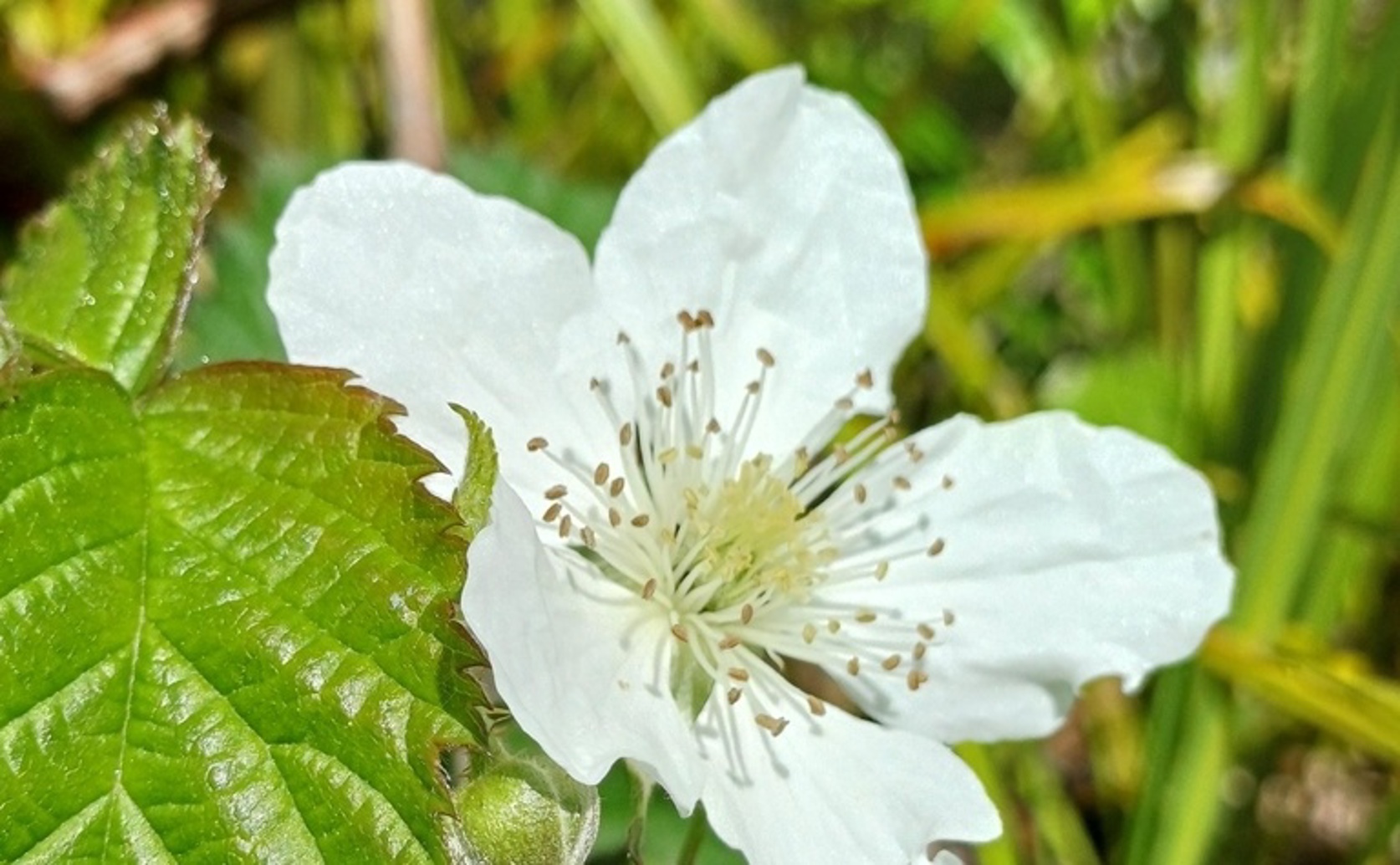
Boysenberry plant (Rubus ursinus × idaeus)

Public Domain Photograph

Key Findings

  • This pilot study, conducted in Niigata, Japan, investigated the effects of boysenberry juice on energy metabolism in healthy adults
  • Boysenberry juice did not significantly increase overall energy expenditure or heat production in brown adipose tissue
  • Four weeks of boysenberry juice consumption led to a notable increase in fat oxidation after meals, suggesting a shift in how the body uses fuel
Brown adipose tissue (BAT) plays a crucial role in regulating body temperature and how the body uses energy. It does this by converting calories, particularly from fat, into heat – a process called thermogenesis. This is especially important when exposed to cold, but also occurs after eating, known as diet-induced thermogenesis (DIT). Obesity is a widespread health concern, and finding ways to increase energy expenditure through BAT activation is a promising area of research[2]. Researchers at Advanced Research Institutes conducted a pilot study[1] to investigate whether consuming boysenberry juice (BoyJ), rich in boysenberry anthocyanins (BoyACs), could enhance DIT in healthy adults. Previous work from the same group suggested BoyACs might activate BAT in cold conditions, leading them to explore if similar benefits could be seen after eating. The study was designed as a randomized, double-blind crossover trial, meaning participants were randomly assigned to receive either BoyJ or a placebo (an inactive substance) for four weeks, and then switched after a four-week break. This design helps to minimize bias, as each participant acts as their own control. Nineteen participants completed the trial after three withdrawals. The primary goal was to measure DIT – the increase in energy expenditure after a meal. Researchers also monitored skin temperature over areas where BAT is located. Surprisingly, the study found no significant effect of BoyJ on overall DIT or BAT skin temperature. This means that drinking boysenberry juice did not noticeably increase the amount of energy burned after eating, nor did it raise the temperature of BAT regions. However, a significant increase in postprandial fat oxidation was observed in the BoyJ group. Postprandial refers to the period after a meal. Fat oxidation is the process of breaking down fat for energy. These findings suggest that BoyJ intake doesn't directly boost energy expenditure, but may influence how the body uses fuel, shifting it towards burning more fat. This is a subtle but important distinction. Earlier research has established that uncoupling proteins (UCPs) within BAT are key to this process[3]. UCP1, for example, allows mitochondria – the powerhouses of cells – to generate heat instead of ATP (the cell’s main energy currency). While the study didn't directly measure UCP1 activity, the observed increase in fat oxidation could be linked to enhanced UCP activity within BAT, prompting increased fuel usage. Interestingly, studies have also shown that glucose uptake increases in BAT after meals[4], suggesting BAT readily utilizes carbohydrates as well. The current study notes that the preferred substrates for BAT in the postprandial state are likely glucose or NEFAs (non-esterified fatty acids) released from fat stores due to insulin stimulation. The increased fat oxidation observed in the BoyJ group could be a result of enhanced NEFA uptake and metabolism within BAT. Another relevant area of research focuses on the blood supply to BAT. Dietary obesity can lead to capillary rarefaction – a reduction in the number of small blood vessels – which impairs BAT function[5]. Maintaining a healthy capillary network is vital for delivering oxygen and nutrients to BAT cells. While this study didn’t investigate capillarization, it highlights the importance of overall BAT health and function in responding to metabolic challenges. The researchers emphasize that this was a pilot study, and further research is needed to confirm these findings. Focusing specifically on substrate utilization, particularly fat oxidation, as the primary outcome could provide a clearer understanding of BoyJ’s effects on energy metabolism.

FruitsNutritionHealth

References

Main Study

1) Effects of boysenberry on postprandial energy metabolism in healthy adults: A randomized controlled crossover trial

Published 22nd August, 2025

https://doi.org/10.1371/journal.pone.0330683


Related Studies

2) An update on brown adipose tissue and obesity intervention: Function, regulation and therapeutic implications.

https://doi.org/10.3389/fendo.2022.1065263


3) Mitochondrial uncoupling proteins: from mitochondria to the regulation of energy balance.

Journal: The Journal of physiology, Issue: Vol 529 Pt 1, Issue Pt 1, Nov 2000


4) Postprandial Oxidative Metabolism of Human Brown Fat Indicates Thermogenesis.

https://doi.org/10.1016/j.cmet.2018.05.020


5) Endothelial SIRT-1 has a critical role in the maintenance of capillarization in brown adipose tissue.

https://doi.org/10.1016/j.isci.2022.105424


Related Articles

An unhandled error has occurred. Reload 🗙