Shortfin Mako Shark Survival After Capture in Atlantic Fisheries

Jenn Hoskins
2nd September, 2025

Shortfin Mako Shark Survival After Capture in Atlantic Fisheries

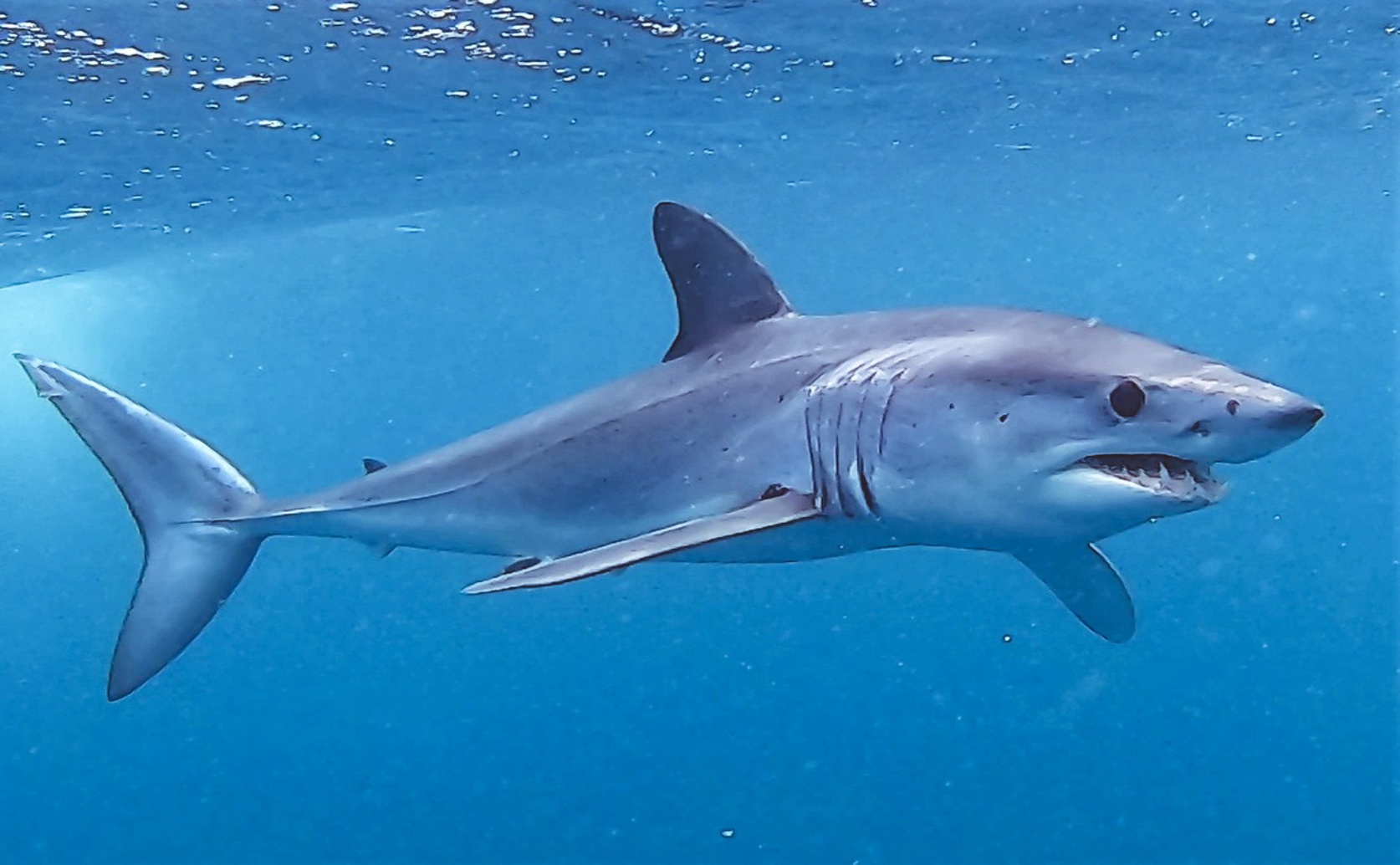
Shortfin Mako (Isurus oxyrinchus)

Photo adapted from: Fábio Olmos / CC BY (Source)

Key Findings

  • This U.S. Atlantic study found that 57-64% of hooked mako sharks survive, varying by region, highlighting potential for fishing-related deaths even with retention bans
  • At-vessel mortality, not post-release mortality, is the primary cause of mako shark deaths in this fishery, meaning sharks often die before being released
  • Longer soak times and warmer water temperatures significantly decrease a shark’s chance of surviving capture, suggesting fishing practices impact survival rates
The shortfin mako shark, a highly migratory apex predator, is facing severe population declines globally. These declines are primarily driven by overfishing, a problem that has led to the implementation of various conservation measures, including fishing retention bans – prohibiting the landing of mako sharks – and regulations promoting the live release of sharks caught incidentally[2][3]. However, the success of these measures hinges on the sharks’ ability to survive both the initial capture process and subsequent release. A recent study by researchers at the University of Missouri, the National Marine Fisheries Service, Oregon State University, and the Instituto Portugues do Mar e da Atmosfera[1] investigated the survival rates of mako sharks caught as bycatch in the U.S. Atlantic pelagic longline fishery. The study focused on quantifying two key aspects of survival: at-vessel survival (AVS), which is the percentage of sharks that survive the capture and handling process while still on the fishing boat, and post-release survival (PRS), which is the percentage of sharks that survive after being released back into the ocean. Understanding both of these components is crucial for accurately assessing the overall impact of fishing on mako shark populations. Prior research has already established that overfishing is the dominant threat to oceanic sharks and rays, with global abundance declining by 71% since 1970[3]. This decline has pushed three-quarters of these species towards being threatened with extinction, highlighting the urgency of effective conservation strategies. The researchers analyzed data from two primary sources: fisheries observer records spanning 2000-2020, containing information on over 7,800 shark encounters, and pop-up archival satellite tags deployed on 27 mako sharks in the western North Atlantic Ocean between 2022-2024. The observer data revealed significant regional variation in AVS, ranging from 77% in the northernmost observation region to 65% in the Gulf of Mexico (GOM). Importantly, AVS was negatively correlated with several factors related to fishing practices and environmental conditions. Longer soak times – the duration the fishing gear is left in the water – higher surface temperatures, longer mainline lengths (the length of the fishing line), and larger shark size were all associated with lower AVS rates. To assess PRS, the researchers used satellite tags, a methodology previously demonstrated to be more accurate than traditional fisheries-dependent data for estimating fishing mortality[4]. These tags allowed them to track the sharks’ movements and survival after release. The PRS rate was found to be 87%, but again, regional differences were observed. Overall bycatch survival probability, combining AVS and PRS, varied from 64% in the north to 59% in the GOM. These findings are particularly concerning given the low reproductive rates of mako sharks. A bycatch survival rate in the range of 59-64%, even with retention bans in place, may be insufficient to support population recovery. The study underscores that simply prohibiting the landing of sharks doesn't guarantee their conservation if a significant proportion die as bycatch. The research builds upon earlier work that identified overfishing as the universal threat to sharks[2], and further clarifies the mechanisms by which this threat operates.[5] highlights the overlap between shark movements and fishing effort, illustrating the limited spatial refuge available to these animals. The study emphasizes the importance of quantifying survival rates regionally and across different fishing fleets. Variability in fishing practices, such as soak time and mainline length, and environmental factors, like water temperature, can significantly influence bycatch survival outcomes. This information is crucial for refining stock assessments and developing more targeted conservation measures. Ultimately, the researchers conclude that pairing retention bans with strategies to reduce the incidence of bycatch – minimizing the number of sharks caught in the first place – will likely provide the greatest benefit to mako shark populations.

WildlifeEcologyMarine Biology

References

Main Study

1) Bycatch survival of shortfin mako sharks (Isurus oxyrinchus) in the U.S. Atlantic pelagic longline fishery

Published 2nd September, 2025

https://doi.org/10.1371/journal.pone.0330999


Related Studies

2) Overfishing drives over one-third of all sharks and rays toward a global extinction crisis.

https://doi.org/10.1016/j.cub.2021.08.062


3) Half a century of global decline in oceanic sharks and rays.

https://doi.org/10.1038/s41586-020-03173-9


4) Satellite telemetry reveals higher fishing mortality rates than previously estimated, suggesting overfishing of an apex marine predator.

https://doi.org/10.1098/rspb.2017.0658


5) Global spatial risk assessment of sharks under the footprint of fisheries.

https://doi.org/10.1038/s41586-019-1444-4


Related Articles

An unhandled error has occurred. Reload 🗙