Whales Helping Sick Companions When Trapped in Fishing Gear

Jim Crocker
17th April, 2025

Whales Helping Sick Companions When Trapped in Fishing Gear

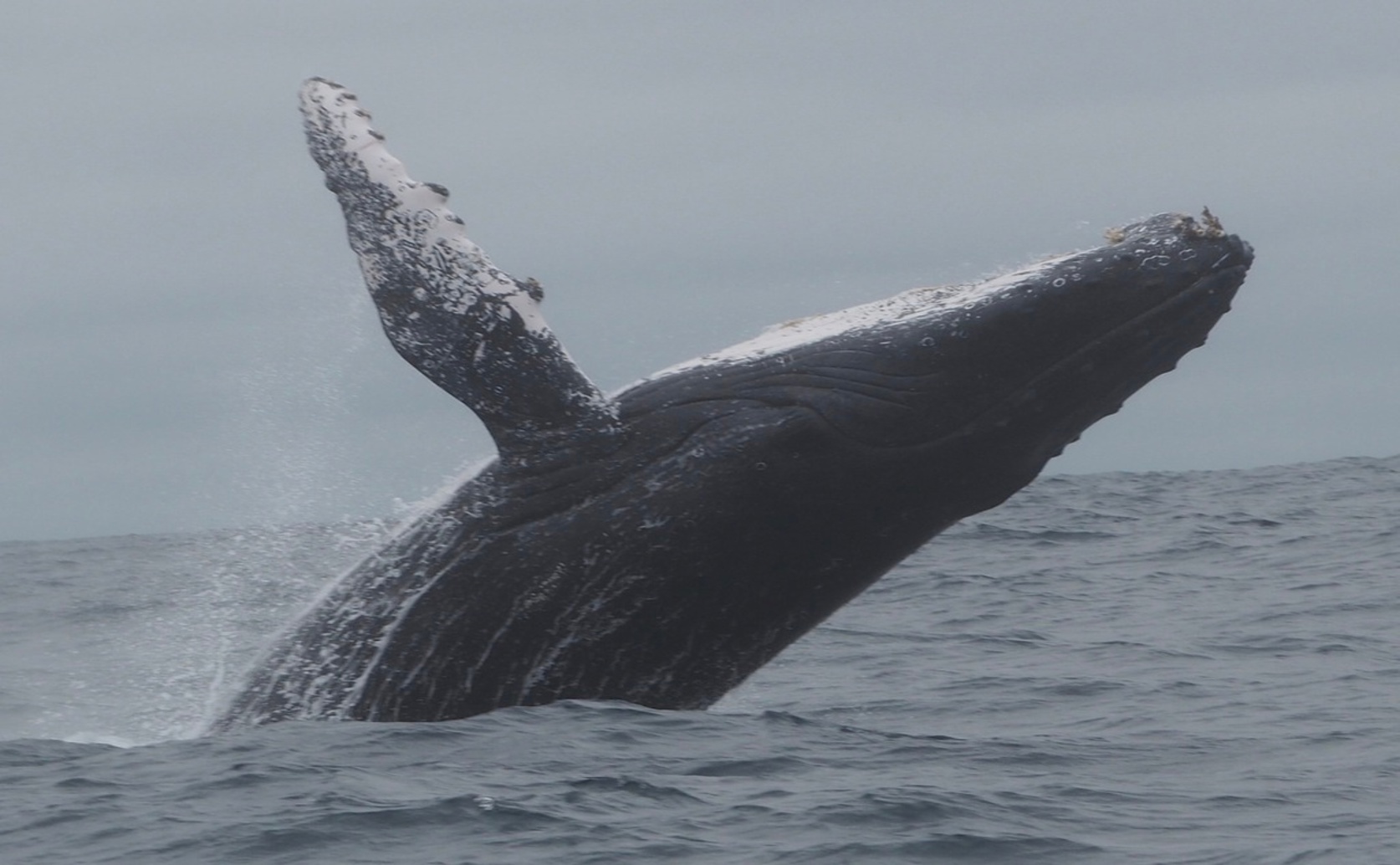
Humpback Whale (Megaptera novaeangliae)

Photographer: Andra Waagmeester

Key Findings

  • In Hawaiian waters, humpback whales were seen supporting and staying close to their entangled peers during distressing events
  • Researchers found that these "companion whales" consistently assist entangled individuals, showing adaptable and caring behaviors
  • This behavior suggests humpback whales can adjust to increasing human-related ocean threats, indicating their resilience
Anthropogenic impacts on marine ecosystems are escalating in both intensity and scope, posing significant threats to marine life. A recent study by the Keiki Koholā Project[1] highlights how these human-induced pressures, particularly entanglement in marine debris, are affecting humpback whales. This issue is not isolated; previous research has documented widespread increases in human impacts on oceans, with climate change being a predominant factor[2][3]. Entanglement, resulting from activities such as fishing and shipping, has emerged as a critical threat to marine megafauna, often leading to severe injuries and mortality. The study focuses on the behavioral responses of humpback whales during entanglement incidents. Notably, it introduces the concept of "companion whales"—individuals that stay close to entangled whales during these distressing events. By examining a detailed incident in Hawaiian waters and analyzing 62 similar accounts from 414 reports provided by regional entanglement response networks, along with six reports from whaling activities, the research uncovers patterns that suggest behavioral plasticity in these whales. Behavioral plasticity refers to the ability of an organism to adapt its behavior in response to environmental changes or stressors. In the context of this study, the companion whales exhibit behaviors that were previously observed during whaling activities, such as staying with and potentially supporting injured or distressed individuals. This adaptation indicates that humpback whales may possess a level of resilience, allowing them to modify their behaviors in response to the increasing human-induced challenges in their environment. These findings build on earlier studies that have shown the pervasive nature of human impacts on marine ecosystems. For instance, nearly two-thirds of the ocean and a similar proportion of national jurisdictions are experiencing increased human pressures, largely driven by climate change[2]. Additionally, over half of the global oceans are facing rising cumulative impacts from various stressors, including fishing, pollution, and shipping, which are particularly detrimental to sensitive ecosystems like coral reefs, seagrasses, and mangroves[3]. The current study adds a nuanced understanding of how specific species, such as humpback whales, are responding behaviorally to these cumulative pressures. Furthermore, the research aligns with findings from studies focused on marine mammal mortality. One such study revealed that human-caused mortalities, particularly from entanglement in fishing gear, have exceeded sustainable levels for certain large whale species[4]. Another study emphasized the significant energetic costs and health impacts that entanglement imposes on whales, affecting their reproduction and long-term survival[5]. The observation of companion whales suggests a potential behavioral response that could mitigate some of these adverse effects, although it does not negate the severe threats posed by entanglement. The methodology of the main study involved analyzing a combination of detailed incident reports and broader datasets from entanglement response networks. By comparing behaviors observed in modern entanglement events with historical behaviors recorded during whaling, the researchers were able to identify consistent patterns that indicate an adaptive response. This comparative approach underscores the importance of long-term and historical data in understanding current wildlife behaviors and the impacts of human activities. The implications of these findings are multifaceted. On one hand, the ability of humpback whales to exhibit behavioral plasticity may offer some hope for their resilience in the face of increasing human pressures. On the other hand, the persistence and severity of entanglement incidents highlight the urgent need for effective mitigation strategies. Regulatory efforts, as discussed in previous research, have so far been insufficient in reducing the lethal effects of entanglement on large whale populations[4]. Enhancing these measures, along with continued monitoring of whale behaviors, is crucial for the conservation of these majestic marine creatures. In conclusion, the study by the Keiki Koholā Project provides valuable insights into the adaptive behaviors of humpback whales amid escalating human-induced challenges. By documenting the phenomenon of companion whales and linking it to broader patterns of behavioral plasticity, the research contributes to our understanding of marine resilience. However, it also serves as a stark reminder of the persistent threats posed by entanglement and the need for sustained conservation efforts to ensure the long-term health and survival of whale populations.

WildlifeEcologyMarine Biology

References

Main Study

1) Tending the sick: Observations of epimeletic behavior in humpback whales towards conspecifics during entanglement events

Published 15th April, 2025

https://doi.org/10.1371/journal.pone.0321284


Related Studies

2) Spatial and temporal changes in cumulative human impacts on the world's ocean.

https://doi.org/10.1038/ncomms8615


3) Recent pace of change in human impact on the world's ocean.

https://doi.org/10.1038/s41598-019-47201-9


4) Assessment of management to mitigate anthropogenic effects on large whales.

https://doi.org/10.1111/j.1523-1739.2012.01934.x


5) Entanglement is a costly life-history stage in large whales.

https://doi.org/10.1002/ece3.2615


Related Articles

An unhandled error has occurred. Reload 🗙