How Plants Adapt to Copper: A Look at DNA and Gene Activity

Greg Howard
30th August, 2025

How Plants Adapt to Copper: A Look at DNA and Gene Activity

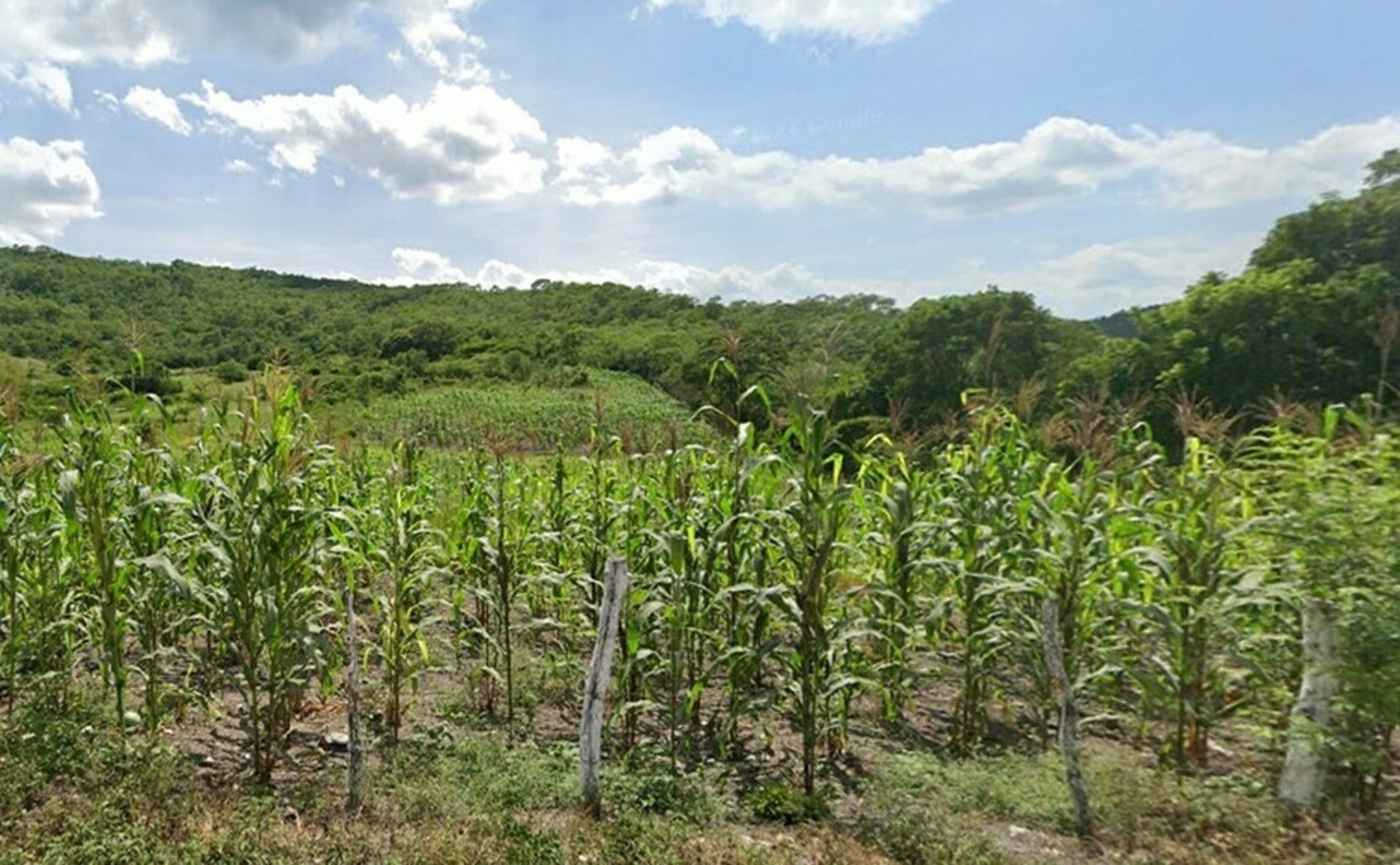
Maize (Zea mays)

Photo adapted from: Tereso Hernández Morales / CC BY (Source)

Key Findings

  • This study, conducted on maize seedlings, investigated how plants respond to excess copper at a molecular level
  • Copper stress caused widespread changes in gene activity, altering over 3,300 genes, and a decrease in DNA methylation across the maize genome
  • Reduced DNA methylation in gene bodies boosted activity of genes for metabolism and stress response, while reduced methylation near genes slowed growth
Copper is an essential nutrient for plant growth, but too much can be toxic, hindering crop production. This is a significant issue as copper levels in soil can increase due to various factors, including industrial activity and agricultural practices. Plants respond to this stress in complex ways, and understanding these responses is crucial for developing crops that can thrive in contaminated environments. Researchers at the China National Institute of Standardization, the Chinese Academy of Agricultural Sciences, and China Three Gorges University have recently investigated how maize plants adapt to excess copper at a molecular level, focusing on a process called DNA methylation[1]. The study centered on maize seedlings exposed to a relatively high concentration of copper (1mM). The researchers used two advanced techniques: whole genome bisulfite sequencing (WGBS) and RNA-sequencing (RNA-seq). WGBS maps the pattern of DNA methylation across the entire genome, while RNA-seq measures the activity of different genes. DNA methylation is a chemical modification to DNA that can alter gene expression without changing the underlying DNA sequence. It’s a key mechanism plants use to respond to their environment. The analysis revealed that copper stress caused significant changes in both gene activity and DNA methylation patterns. Over 3,300 genes showed altered activity levels – some were turned on (upregulated), and others were turned off (downregulated). Crucially, the WGBS analysis showed a widespread decrease in DNA methylation across the maize genome in response to copper. This decrease occurred in different contexts within the DNA sequence (CG, CHG, and CHH), indicating a broad impact of copper stress on the maize’s epigenome – the collection of modifications to DNA that influence gene activity. The researchers identified two main patterns linking changes in DNA methylation to gene activity. First, they found that reduced methylation within the body of genes (specifically in CHG and CHH contexts) was associated with increased gene activity. These activated genes were involved in metabolism and responding to stress. This suggests that reducing methylation in these regions allows the plant to ramp up production of proteins needed to cope with the copper toxicity. Second, reduced methylation in the promoter regions of genes (specifically in CHH contexts) was linked to the suppression of genes involved in development and signaling. This indicates that the plant may be temporarily slowing down growth and developmental processes to prioritize stress response. These findings build upon earlier research demonstrating the role of salicylic acid (SA) in helping plants manage heavy metal stress[2]. Salicylic acid triggers antioxidant defenses and interacts with other plant hormones, effectively preparing the plant to counteract the damaging effects of metals like copper. The current study provides a deeper understanding of how this preparation happens at the genetic level, revealing that changes in DNA methylation are a key component of the plant’s response. Furthermore, the study aligns with previous observations that copper stress induces oxidative stress in plants[3][4], leading to the production of reactive oxygen species (ROS) that can damage cells. The activation of metabolic and stress-response genes identified in this study likely contributes to the production of antioxidants that neutralize these ROS, protecting the plant from damage. The research also supports findings that bacterial inoculation can alleviate copper toxicity in maize[3], as epigenetic changes induced by copper stress could potentially be modulated by beneficial microbes. The identification of specific genes regulated by DNA methylation in response to copper stress provides potential targets for improving copper tolerance in maize. The researchers suggest that “epigenetic breeding” – selecting for plants with favorable methylation patterns – could be a promising strategy for developing more resilient crop varieties. This approach differs from traditional breeding, which focuses on altering the DNA sequence itself, and could offer a faster and more flexible way to adapt crops to changing environmental conditions.

GeneticsBiochemPlant Science

References

Main Study

1) Integrated DNA methylome and transcriptome analysis reveals the epigenetic regulatory mechanisms underlying maize response to copper stress

Published 28th August, 2025

https://doi.org/10.1371/journal.pone.0329456


Related Studies

2) The Role of Salicylic Acid in Plants Exposed to Heavy Metals.

https://doi.org/10.3390/molecules25030540


3) Mitigation of Copper Stress in Maize by Inoculation with Paenibacillus polymyxa and Bacillus circulans.

https://doi.org/10.3390/plants9111513


4) Copper uptake, essentiality, toxicity, detoxification and risk assessment in soil-plant environment.

https://doi.org/10.1016/j.chemosphere.2020.127436


Related Articles

An unhandled error has occurred. Reload 🗙