
Beyond Biology: How City Planning And Movement Shape Dengue
Jenn Hoskins
17th June, 2025


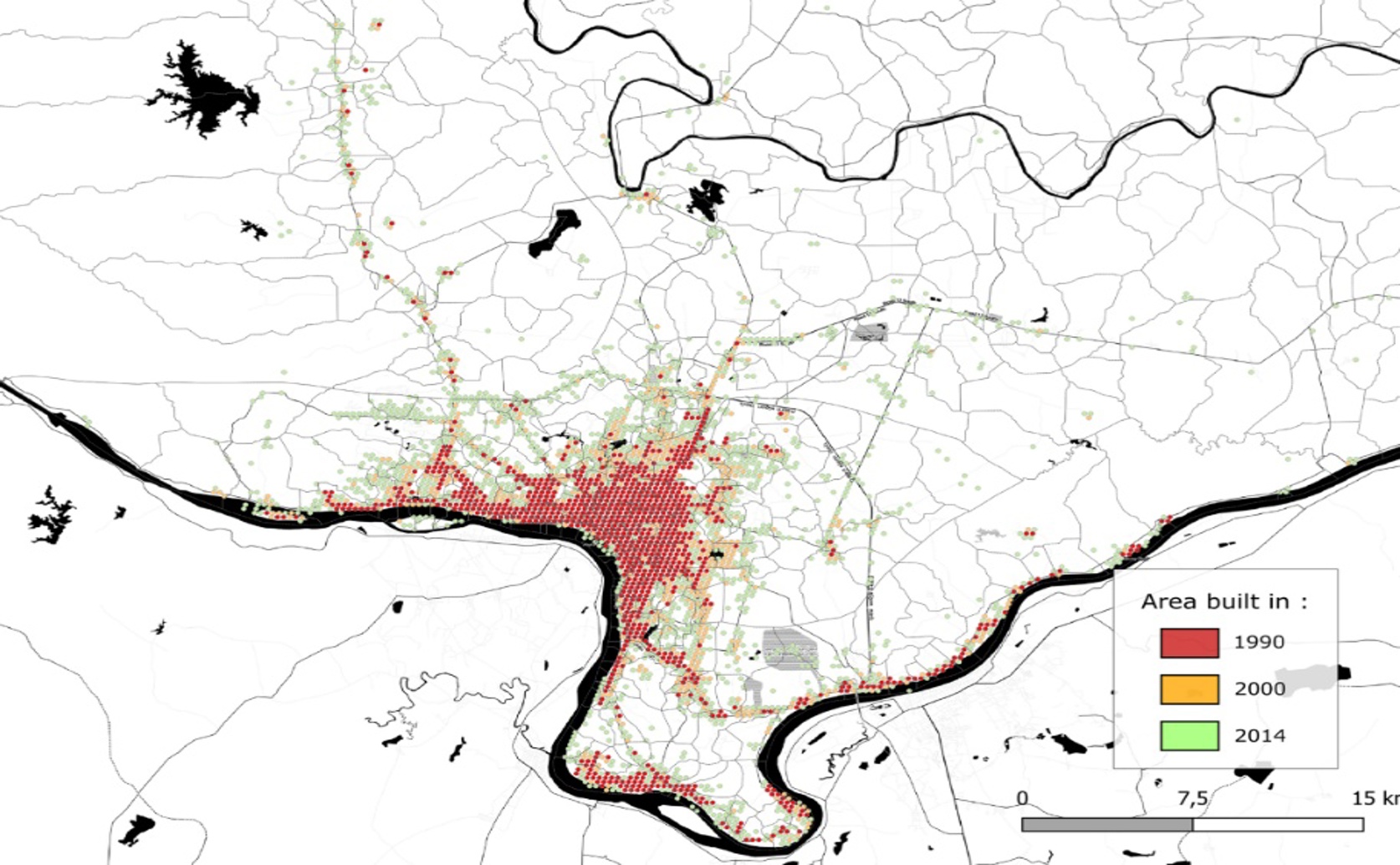
The significant urban expansion of Vientiane between 1990 and 2014 occurred primarily in its periphery, creating the recently urbanized zones that this study identifies as the areas with the highest risk of dengue transmission.
Key Findings
- In Vientiane, Laos, rapidly growing urban areas with high daytime activity consistently showed the highest dengue fever rates
- Human movement, including new residents from other parts of Laos and foreign individuals, significantly increased dengue spread within the city
- Reliable in-house water access was crucial, as areas lacking it had higher dengue risk due to more mosquito breeding sites from stored water
References
Main Study
1) Dengue dynamics beyond biological factors: Revealing the nexus between urbanisation planning, and mobilities in Vientiane, Lao PDR
Published 16th June, 2025
https://doi.org/10.1371/journal.pntd.0011990
Related Studies
2) The global distribution and burden of dengue.
3) Dengue, Urbanization and Globalization: The Unholy Trinity of the 21(st) Century.
4) The role of urbanisation in the spread of Aedes mosquitoes and the diseases they transmit-A systematic review.
Related Articles
 5th March, 2024 | Jenn Hoskins