Using City and Local Farming to Protect Trade During Global Crises

Jenn Hoskins
10th May, 2025

Using City and Local Farming to Protect Trade During Global Crises

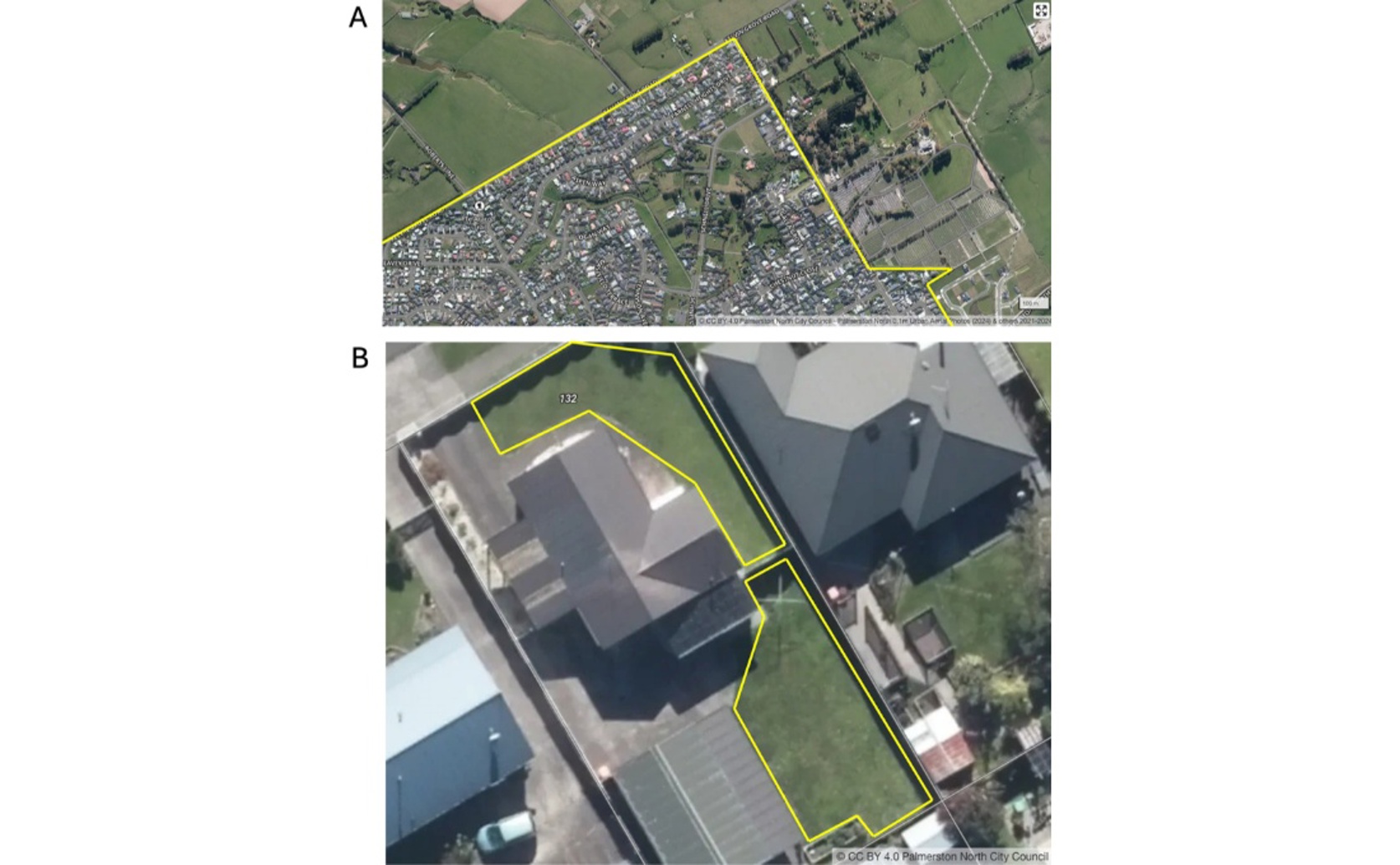
Aerial quantification of the boundary between the built environment and near-urban land (a) and available residential green space (b) demonstrated that urban land area is limited, supporting the conclusion that food security in a global catastrophe requires combining urban agriculture with near-urban industrial cropping.

Image adapted from: Boyd et al. / CC BY (Source)

Key Findings

  • *Study in a median-sized temperate city* found that urban farming can meet around 20% of the city's food needs
  • *Optimal crops* like peas for normal times and spinach during crises help maximize food production in limited urban spaces
  • *Additional near-city farming and local biofuel production* are needed to fully sustain the population and reduce dependence on external fuel sources
Global catastrophic risks (GCRs) such as nuclear winter, severe solar storms, or large-scale pandemics pose significant threats to modern civilization. These events can disrupt global trade and critical infrastructure, leading to shortages of essential commodities like liquid fuels, which are vital for industrial food production, processing, and distribution[1]. Understanding and enhancing the resilience of food systems against such disruptions is crucial for ensuring food security in the face of potential global crises. A recent study by *1Adapt Research Ltd* explores the role of urban agriculture and near-urban industrial agriculture in building resilience to GCRs. The researchers aimed to determine how a shift towards urban farming could mitigate the impacts of catastrophic events on food supply and what supplementary measures would be necessary to support urban populations under such conditions. The study employed mathematical optimization to identify the most efficient crops for producing calories and proteins per unit of land area in both urban and near-urban settings. By analyzing satellite images from Google Earth, the team assessed the available land within a median-sized temperate city, including residential lots and open public spaces, to estimate potential food production capacity. This approach allowed them to calculate the proportion of the population that could be sustained through urban agriculture alone and determine the additional near-urban land required to meet the remaining food needs under normal and nuclear winter scenarios. The findings revealed that urban agriculture could supply approximately 20% of a city's food demands. The optimal crops for urban settings under normal climate conditions were peas, while sugar beets and spinach proved most suitable in nuclear winter scenarios. For near-urban industrial agriculture, potatoes were ideal under normal conditions, and wheat and carrots were preferred during nuclear winters. However, to bridge the gap between the food produced through urban farming and the total demand, at least 1,140 hectares of near-urban cultivation would be necessary. Additionally, the study highlighted the importance of biofuel production, suggesting that 110 hectares of canola could provide the biodiesel needed to power agricultural machinery without relying on fuel imports. This research builds on earlier studies that have identified vulnerabilities in our current agricultural systems. For instance, previous work has demonstrated that modern industrial agriculture relies heavily on external inputs like machinery, fertilizers, and pesticides, making it susceptible to disruptions in production and international trade[2]. Such dependencies underscore the necessity of developing more resilient food production methods, as highlighted by the current study. Furthermore, the study aligns with findings that emphasize the importance of local self-sufficiency in the face of global disruptions. Research on island nations suggests that regions capable of sustaining their own food and fuel supplies are better positioned to survive and aid in the reboot of collapsed human civilizations after a catastrophic event[3]. By promoting urban and near-urban agriculture, cities can enhance their self-sufficiency and reduce reliance on fragile global supply chains. The methodology used by 1Adapt Research Ltd involved detailed land use analysis and crop optimization to maximize food production within limited urban spaces. This approach ensures that the selected crops not only provide essential nutrients but also require minimal resources, thereby conserving critical inputs like water and energy. In nuclear winter scenarios, where agricultural yields are expected to decline due to reduced sunlight and harsher growing conditions, the study found that a greater emphasis on resilient crops like wheat and carrots is necessary to maintain food security. Additionally, the study addresses the challenge of fuel dependency in agricultural operations. By advocating for the cultivation of biofuel feedstocks such as canola, the research proposes a sustainable solution to power farming machinery without relying on imported fuels. This strategy not only supports agricultural resilience but also contributes to emissions reduction targets, offering multiple benefits from a single intervention. The implications of this research are significant for policymakers and urban planners. Governments and municipal authorities could use these findings to inform land use policies that encourage the development of urban agriculture and the cultivation of optimal crops in near-urban areas. Investing in local biofuel refining capacity and processing infrastructure would further enhance the resilience of food systems against GCRs. In conclusion, the study by 1Adapt Research Ltd provides a comprehensive framework for enhancing urban and near-urban food production resilience in the face of global catastrophic risks. By optimizing crop selection and promoting local self-sufficiency, cities can better withstand disruptions to global trade and infrastructure, ensuring food security for their populations even under extreme conditions. This research not only builds on existing knowledge about the vulnerabilities of current agricultural systems but also offers practical solutions to mitigate these risks, paving the way for more resilient and sustainable urban food systems.

AgricultureSustainabilityEcology

References

Main Study

1) Resilience to abrupt global catastrophic risks disrupting trade: Combining urban and near-urban agriculture in a quantified case study of a globally median-sized city

Published 7th May, 2025

https://doi.org/10.1371/journal.pone.0321203


Related Studies

2) The Fragile State of Industrial Agriculture: Estimating Crop Yield Reductions in a Global Catastrophic Infrastructure Loss Scenario.

https://doi.org/10.1002/gch2.202300206


3) Island refuges for surviving nuclear winter and other abrupt sunlight-reducing catastrophes.

https://doi.org/10.1111/risa.14072


Related Articles

An unhandled error has occurred. Reload 🗙