Zebrafish Lack a Human-Like Immune Protein

Jenn Hoskins
5th May, 2025

Zebrafish Lack a Human-Like Immune Protein

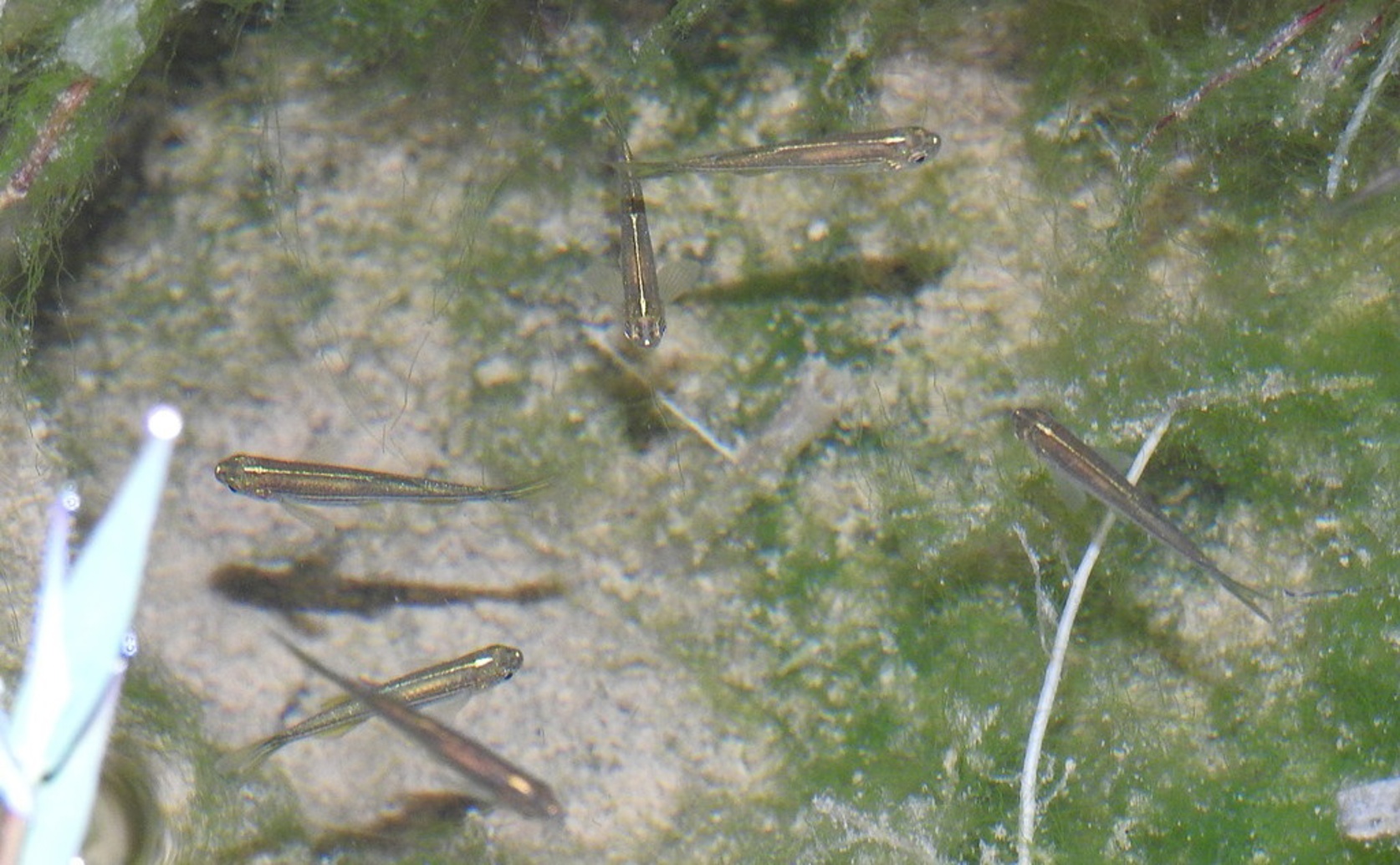
Zebra Danio (Danio rerio)

Photo adapted from: Hopeland / CC BY (Source)

Key Findings

  • A University of Oregon study found that zebrafish do not possess calprotectin, a crucial immune protein found in mammals
  • The zebrafish proteins similar to calprotectin were unable to kill bacteria or initiate inflammation like their mammalian counterparts
  • Structural analysis showed that zebrafish proteins lack the essential sites needed for calprotectin’s immune functions
Calprotectin, a protein complex composed of S100A8 and S100A9, plays a crucial role in the body’s immune response. These proteins, which form a stable heterodimer, are primarily found in white blood cells like neutrophils and monocytes. Calprotectin acts as a sensor for calcium ions and is involved in processes such as the rearrangement of the cell’s internal framework and the metabolism of arachidonic acid, a fatty acid important in inflammation[2]. During an infection or inflammatory response, calprotectin is actively released by immune cells. It helps regulate inflammation by attracting more immune cells to the site of infection and promoting the release of signaling molecules called cytokines[2]. Additionally, calprotectin serves as a biomarker, aiding in the diagnosis and monitoring of inflammatory diseases, and it has potential as a target for new therapies aimed at reducing inflammation[2]. Research has shown that blocking calprotectin’s activity can improve disease conditions in animal models, highlighting its importance in managing inflammation[2]. Neutrophils, a type of white blood cell, are among the first responders to infection. They eliminate pathogens by engulfing them within the cell or by releasing antimicrobial substances and structures known as Neutrophil Extracellular Traps (NETs)[3]. NETs are composed of DNA and various proteins, including calprotectin, which plays a key role in killing fungi like Candida albicans. Studies have demonstrated that without calprotectin, the antifungal activity of NETs is significantly reduced, underscoring its importance in the body’s defense mechanisms[3]. Moreover, calprotectin contributes to “nutritional immunity,” a process where the body limits the availability of essential nutrients like manganese (Mn²⁺) and zinc (Zn²⁺) to invading bacteria, thereby inhibiting their growth[4]. Calprotectin binds these metals with high affinity, effectively starving the bacteria and preventing them from proliferating. Research has revealed that the ability to sequester manganese is particularly critical for inhibiting the growth of various bacterial pathogens, which explains the broad-spectrum antimicrobial activity of calprotectin[4]. Building on this foundational knowledge, a recent study conducted by researchers at the University of Oregon sought to explore whether zebrafish, a common model organism in biological research, possess a form of calprotectin that functions similarly to that in mammals[1]. Previous literature had suggested that zebrafish might have a calprotectin equivalent based on the presence of a gene called s100a10b, which showed similarities in sequence and expression patterns during immune responses to bacterial infections. To investigate this, the researchers employed bioinformatics techniques to analyze the zebrafish genome. They found that zebrafish do not have direct counterparts, or orthologs, of the mammalian S100A8 or S100A9 genes. Instead, they identified four different s100 genes in zebrafish, including s100a10b, which are expressed in immune cells and become more active during immune responses. The team then produced these proteins in the lab and tested their ability to kill bacteria. Contrary to expectations, none of the zebrafish proteins exhibited antimicrobial activity comparable to that of mammalian calprotectin. Further analysis involved creating structural models of all possible combinations of these zebrafish s100 proteins, both as individual homodimers and paired heterodimers. The goal was to identify any structures that might bind transition metals like manganese in a manner similar to calprotectin. The models revealed that none of the zebrafish protein complexes possessed a metal-binding site equivalent to that of calprotectin’s. Additionally, the researchers examined whether these zebrafish proteins could trigger inflammatory responses by activating Toll-like receptor 4 (TLR4), an essential component of the immune system that calprotectin interacts with in humans[3]. The tests showed that none of the zebrafish s100 proteins were capable of activating TLR4, further indicating that these proteins do not function in the same way as mammalian calprotectin. The findings from the University of Oregon study conclusively demonstrate that zebrafish lack a true ortholog of calprotectin and that their s100 proteins do not perform similar antimicrobial or pro-inflammatory functions. This suggests that zebrafish utilize different mechanisms for managing infections and inflammatory responses compared to mammals. The absence of calprotectin-like activity in zebrafish emphasizes the unique aspects of the mammalian immune system and highlights the importance of calprotectin in host defense against pathogens. These insights are valuable for researchers using zebrafish as a model organism to study innate immunity. Understanding the differences in immune protein functions between zebrafish and mammals ensures that findings in zebrafish can be accurately translated to human health contexts. Moreover, this study highlights the specialized role of calprotectin in mammals, reinforcing its potential as a target for developing new diagnostic tools and therapies for inflammatory diseases[2][3][4].

GeneticsBiochemEvolution

References

Main Study

1) Zebrafish do not have a calprotectin ortholog

Published 2nd May, 2025

https://doi.org/10.1371/journal.pone.0322649


Related Studies

2) S100A8/A9 in Inflammation.

https://doi.org/10.3389/fimmu.2018.01298


3) Neutrophil extracellular traps contain calprotectin, a cytosolic protein complex involved in host defense against Candida albicans.

https://doi.org/10.1371/journal.ppat.1000639


4) Molecular basis for manganese sequestration by calprotectin and roles in the innate immune response to invading bacterial pathogens.

https://doi.org/10.1073/pnas.1220341110


Related Articles

An unhandled error has occurred. Reload 🗙