Extracting Flavonoids from Quince: Antioxidant and Anti-inflammatory Benefits

Jenn Hoskins
2nd April, 2025

Extracting Flavonoids from Quince: Antioxidant and Anti-inflammatory Benefits

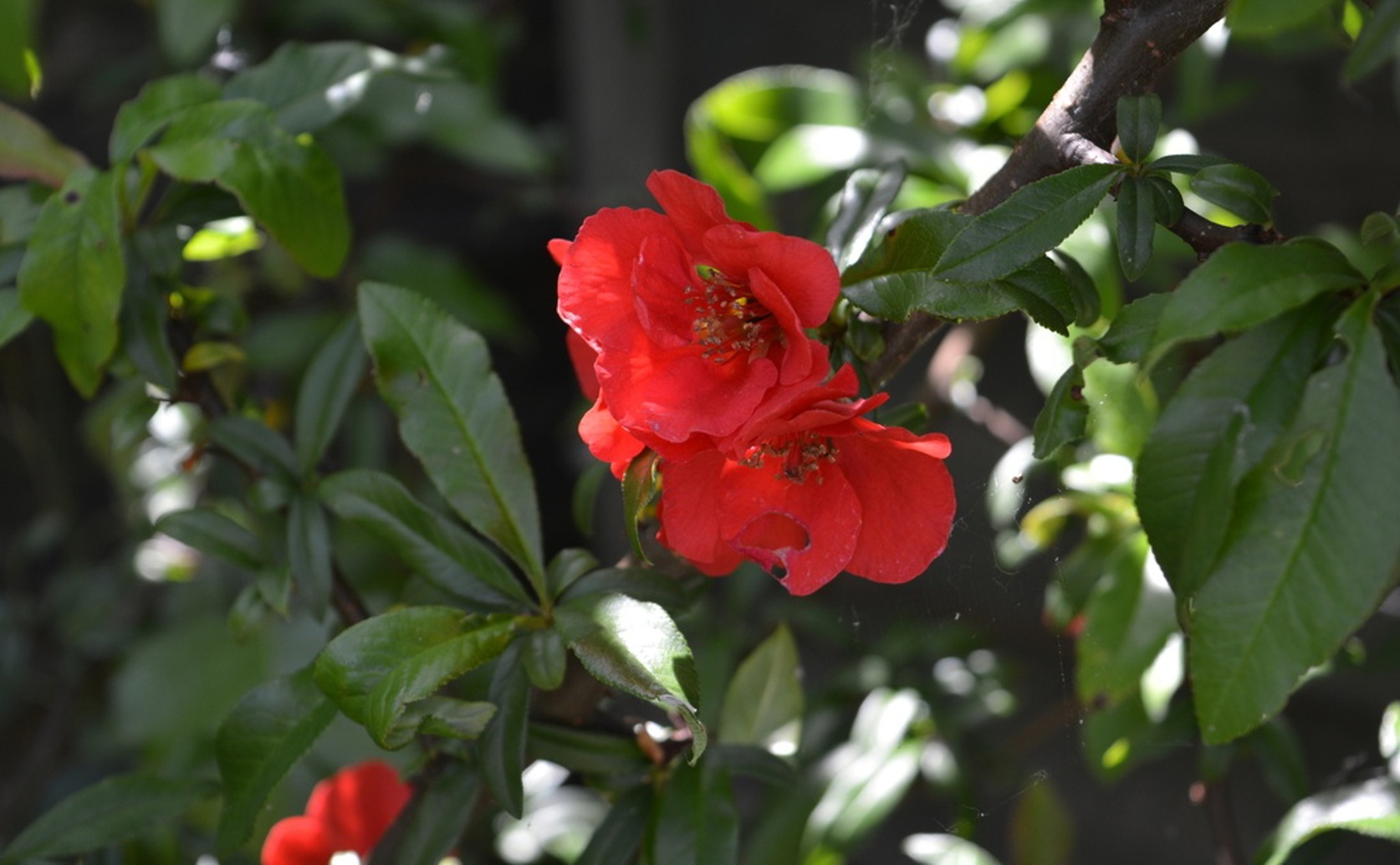
Chinese quince (Chaenomeles speciosa)

Photo adapted from: Phil James / CC BY (Source)

Key Findings

  • Scientists in China developed a better method to extract beneficial flavonoids from the Chaenomeles speciosa fruit
  • The extracted flavonoids effectively neutralize harmful molecules and reduce inflammation, supporting their use in health products
  • This efficient extraction process can help produce natural supplements and medicines with antioxidant and anti-inflammatory benefits
Flavonoids are natural compounds found in many fruits and vegetables, renowned for their antioxidant and anti-inflammatory properties. These compounds play a crucial role in promoting human health by neutralizing harmful free radicals and reducing inflammation, which is linked to various chronic diseases. Chaenomeles speciosa (Sweet) Nakai, a fruit-bearing plant, has emerged as a promising source of flavonoids, offering potential health benefits. Researchers from Anhui Xinhua University, Anhui Intai Technology Co., Ltd, and Universidad San Francisco de Quito conducted a study to optimize the extraction of flavonoids from Chaenomeles speciosa using ultrasound-assisted technology[1]. The goal was to maximize the yield of flavonoids, which are valuable for their antioxidant and anti-inflammatory effects. Efficient extraction methods are essential to harness these benefits effectively, making this study significant for both scientific research and practical applications in health and nutrition. The study employed ultrasound-assisted extraction, a technique that uses ultrasonic waves to enhance the extraction process. This method is known for its efficiency and ability to preserve the integrity of bioactive compounds. To determine the best conditions for extraction, the researchers used response surface methodology, a statistical tool that optimizes processes by evaluating the effects of multiple variables simultaneously. They experimented with different ethanol concentrations, liquid-to-solid ratios, temperatures, and extraction times to identify the optimal parameters for extracting flavonoids from the fruit. The optimal extraction conditions identified were an ethanol concentration of 62%, a liquid-to-solid ratio of 15:1 mL/g, an ultrasonic temperature of 68°C, and an ultrasonic time of 40 minutes. Under these conditions, the extraction yield of total flavonoids reached 10.18%, indicating a highly efficient process. This optimization is crucial as it ensures the maximum recovery of flavonoids, making the extraction process both cost-effective and scalable for potential industrial applications. After extraction, the researchers evaluated the antioxidant properties of the flavonoid extract. Antioxidants are substances that can prevent or slow damage to cells caused by free radicals, unstable molecules that the body produces as a reaction to environmental and other pressures. The study tested the extract's ability to scavenge different types of radicals, including DPPH radicals, ABTS radicals, and hydroxyl radicals. The results showed significant radical scavenging activities with IC50 values of 582 µg/mL for DPPH radicals, 538 µg/mL for ABTS radicals, and 1709 µg/mL for hydroxyl radicals. These findings demonstrate that the flavonoid extract has strong potential to combat oxidative stress, which is associated with aging and various diseases. In addition to antioxidant activity, the study examined the extract's ability to inhibit lipoxygenase, an enzyme involved in the inflammatory process. High levels of lipoxygenase are linked to inflammatory conditions such as asthma, arthritis, and cardiovascular diseases. The Chaenomeles speciosa extract exhibited notable inhibitory activity against lipoxygenase, with an IC50 value of 2658 µg/mL. The inhibition was found to be through a mixed reversible mechanism, meaning the extract can effectively reduce enzyme activity without permanently binding to it. This property is beneficial as it allows for the regulation of enzyme activity without long-term suppression, potentially minimizing side effects. The findings of this study build on previous research that highlighted the rich polyphenol content in various Chaenomeles species[2]. Specifically, Chaenomeles speciosa was previously noted for its high levels of epicatechin and procyanidin B2, compounds known for their antioxidant properties. By optimizing the extraction process, the current study enhances the ability to utilize these bioactive compounds effectively. Furthermore, the strong antioxidant and enzyme inhibition activities observed align with the known benefits of flavonoids in reducing oxidative stress and inflammation[3]. These results not only validate the therapeutic potential of Chaenomeles speciosa but also provide a reliable method for extracting its beneficial compounds. The use of ultrasound-assisted extraction offers several advantages over traditional methods, including shorter extraction times, lower solvent consumption, and higher yield of bioactive compounds. This makes the process more sustainable and economically viable for large-scale production. The optimized conditions established in this study can serve as a standard protocol for future research and industrial applications, facilitating the development of functional foods, dietary supplements, and pharmaceuticals enriched with flavonoids from Chaenomeles speciosa. Overall, this research underscores the significance of Chaenomeles speciosa as a potent source of flavonoids with substantial antioxidant and anti-inflammatory activities. By optimizing the extraction process, the study paves the way for more efficient utilization of this fruit in promoting health and preventing disease. The integration of advanced extraction technologies and thorough biochemical evaluations highlights the potential of natural compounds in addressing modern health challenges, reinforcing the value of traditional medicinal plants in contemporary science.

HealthBiochemPlant Science

References

Main Study

1) Extraction of total flavonoids from Chaenomeles speciosa (Sweet) Nakai and its antioxidant and lipoxygenase inhibition effects

Published 1st April, 2025

https://doi.org/10.1371/journal.pone.0320582


Related Studies

2) Polyphenols and triterpenes from Chaenomeles fruits: chemical analysis and antioxidant activities assessment.

https://doi.org/10.1016/j.foodchem.2013.06.109


3) Flavonoids as Potential Anti-Inflammatory Molecules: A Review.

https://doi.org/10.3390/molecules27092901


Related Articles

An unhandled error has occurred. Reload 🗙