How Growth and Daylight Affect Antioxidant Levels in Coneflower

Jenn Hoskins
13th March, 2025

How Growth and Daylight Affect Antioxidant Levels in Coneflower

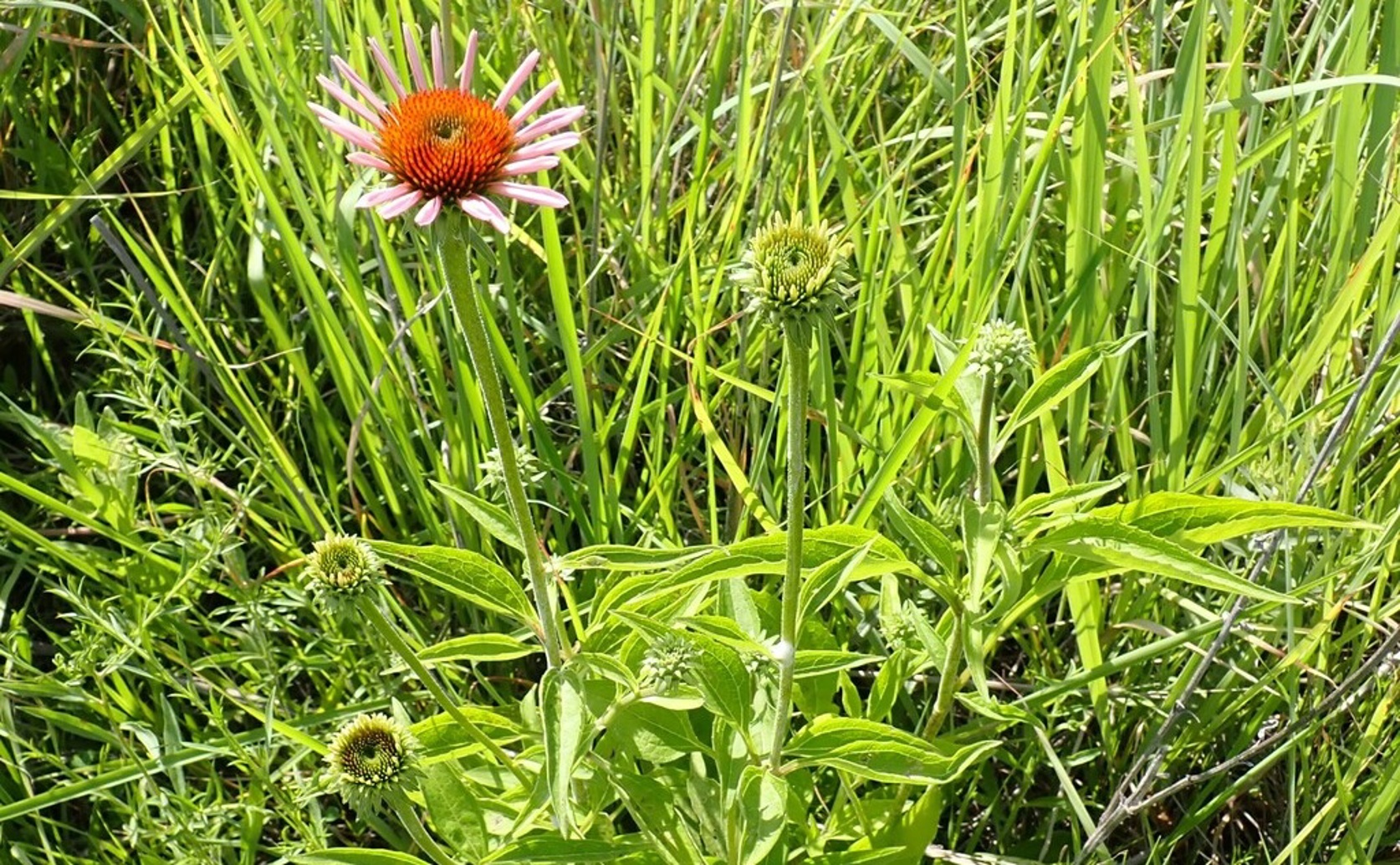
Purple coneflower (Echinacea purpurea)

Photo adapted from: Larry Jensen / CC BY (Source)

Key Findings

  • Researchers at Uşak University in Turkey found that harvesting purple coneflower around 9 am maximizes its antioxidant levels
  • Using methanol to extract the plant's compounds was more effective than water, enhancing its benefits for medicines and cosmetics
  • Key antioxidants like chlorogenic and caffeic acid peak early in the morning, guiding the best times for collection
Echinacea purpurea, commonly known as purple coneflower, is a medicinal plant renowned for its therapeutic properties. Researchers at Uşak University in Turkey conducted a study to explore the polyphenolic components of E. purpurea’s flowers and leaves, focusing on how these compounds vary throughout the day and differ morphologically. This research addresses the need to optimize the harvesting time of E. purpurea to maximize its beneficial antioxidant properties, which are essential for its use in pharmaceuticals and cosmetics. Previous studies have highlighted the immunomodulatory and anti-inflammatory effects of E. purpurea, particularly in treating small superficial wounds and alleviating cold symptoms[2][3][4][5]. These effects are largely attributed to the plant's diverse array of bioactive compounds, including flavonoids, polyphenols, phenolic acids, alkylamides, and terpenoids. The current study builds on this foundation by providing a detailed analysis of the polyphenolic content in different parts of the plant and how these levels fluctuate during the day. The research involved harvesting two-year-old E. purpurea plants in full bloom at six different times: 6:00 am, 9:00 am, 12:00 pm, 3:00 pm, 6:00 pm, and 9:00 pm. Both flowers and leaves were collected to prepare water and methanol extracts. These extracts were then analyzed to determine the total phenolic and flavonoid contents, as well as specific phenolic compounds present. The experimental design was a randomized complete block with three factors and three replications, ensuring robust and reliable results. One of the key findings was that the highest total phenolic content was observed in the flowers when methanol was used as the extraction solvent at 9:00 am, registering 157.91 mg QE/g dry extract. Similarly, the leaves exhibited the highest total flavonoid content under the same conditions, with a measurement of 80.12 mg QE/g dry extract. These results indicate that both the type of solvent and the time of harvest significantly influence the concentration of these beneficial compounds. Chlorogenic acid and caffeic acid emerged as the predominant phenolic acids in the extracts, with concentrations of 19.1 mg/g and 13.2 mg/g methanol extract, respectively. Notably, the peak concentrations of these acids were observed early in the morning at 6:00 am, followed by a gradual decline throughout the day. This diurnal variation suggests that the biosynthesis of these compounds is influenced by the plant's internal biological clock and environmental factors such as light and temperature. The implications of this study are significant for the pharmaceutical and cosmeceutical industries. By identifying the optimal harvesting time, producers can maximize the antioxidant capacity of E. purpurea extracts. Antioxidants are crucial for protecting the body against free radicals, which can cause cellular damage and contribute to aging and various diseases. Enhanced antioxidant capacity also supports the plant’s existing uses in wound healing and antiaging formulations[2][3]. Furthermore, the study’s methodology underscores the importance of using appropriate extraction techniques. Methanol was found to be more effective than water in extracting phenolic and flavonoid compounds, aligning with previous research that has demonstrated the superior efficiency of organic solvents in isolating bioactive substances from plants[2][5]. This insight is valuable for developing extraction protocols that yield the highest concentrations of active ingredients. The research also contributes to the broader understanding of Echinacea species. While E. purpurea has been extensively studied for its medicinal properties, this study adds a new dimension by examining the temporal variations in its phytochemical composition. Such information is crucial for standardizing extracts and ensuring consistency in their therapeutic efficacy[4]. Moreover, the findings highlight the potential of E. purpurea as a versatile raw material for various applications. The high levels of chlorogenic and caffeic acids, which are known for their antioxidant and anti-inflammatory properties, make the plant a valuable component in the formulation of health supplements, skincare products, and other wellness-related items[2][3][4][5]. Challenges remain, however, in fully harnessing the plant’s potential. Issues such as the limited bioavailability of certain metabolites and the need for more robust clinical trials to confirm their benefits are areas that warrant further investigation[4][5]. Additionally, understanding the specific molecular pathways through which these compounds exert their effects could lead to the development of more effective therapies. In conclusion, the study conducted by Uşak University provides essential insights into the optimal harvesting times and extraction methods for maximizing the antioxidant properties of Echinacea purpurea. By elucidating the diurnal and morphological variations in polyphenolic and flavonoid content, the research paves the way for more efficient utilization of this medicinal plant in various health-related applications. This advancement not only reinforces the existing knowledge about E. purpurea’s therapeutic benefits but also opens up new avenues for its use in enhancing human health and well-being.

HealthBiochemPlant Science

References

Main Study

1) Determination of Morphogenetic and Diurnal Variability in Phenolic and Flavonoid Content of Echinacea purpurea (L.) Moench: A Potential Source of Natural Anioxidants

Published 10th March, 2025

https://doi.org/10.1007/s11130-025-01315-w


Related Studies

2) Extraction Optimization, Antioxidant, Cosmeceutical and Wound Healing Potential of Echinacea purpurea Glycerolic Extracts.

https://doi.org/10.3390/molecules28031177


3) Echinacea purpurea (L.) Moench: Biological and Pharmacological Properties. A Review.

https://doi.org/10.3390/plants11091244


4) Echinacea: Bioactive Compounds and Agronomy.

https://doi.org/10.3390/plants13091235


5) Echinacea purpurea: Pharmacology, phytochemistry and analysis methods.

https://doi.org/10.4103/0973-7847.156353


Related Articles

An unhandled error has occurred. Reload 🗙