Geranium Extract in Diet Reduces Heat Stress: Health and Immune Benefits

Jenn Hoskins
27th March, 2025

Geranium Extract in Diet Reduces Heat Stress: Health and Immune Benefits

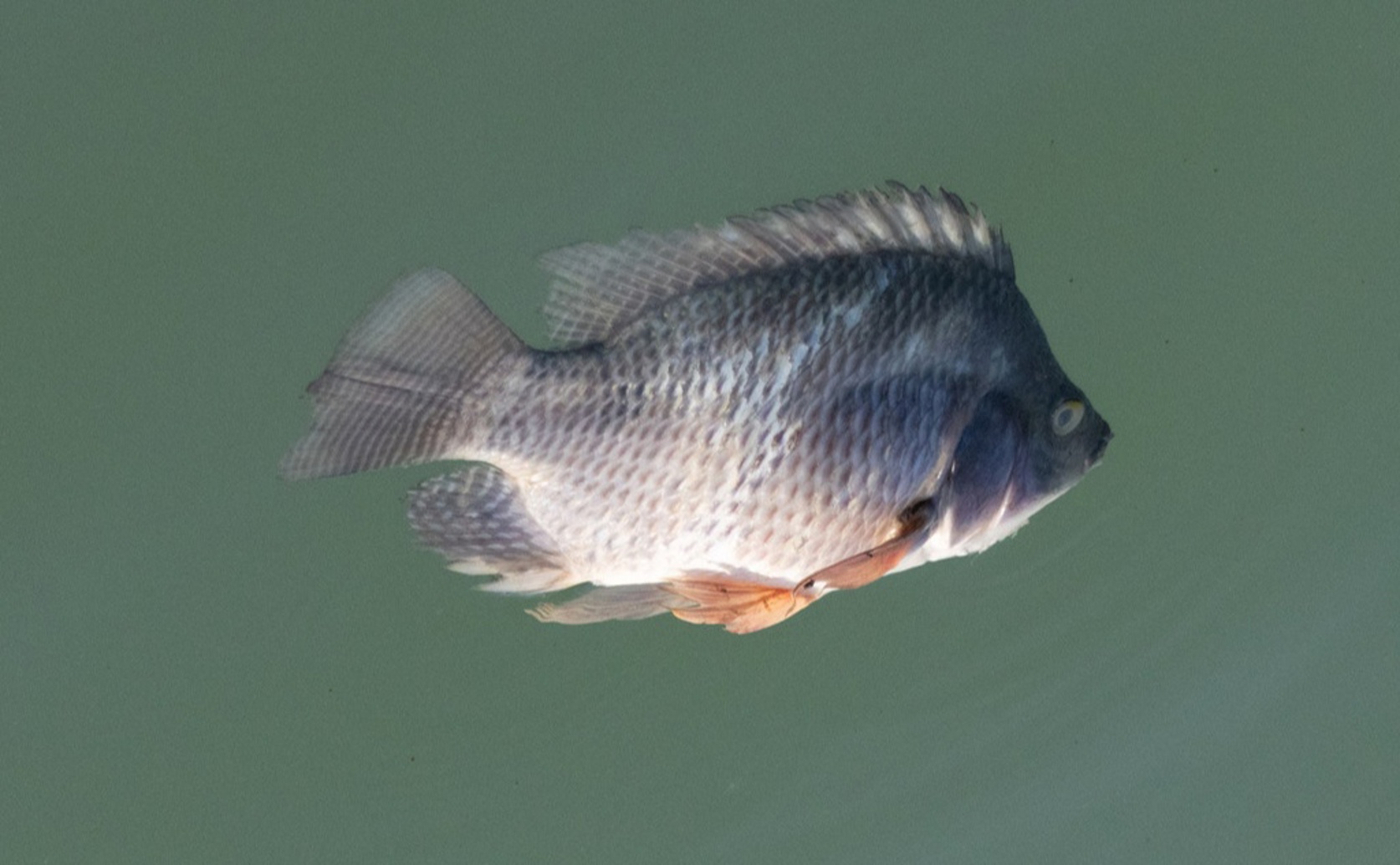
Nile Tilapia (Oreochromis niloticus)

Photo adapted from: Richard Fuller / CC0 1.0 (Source)

Key Findings

  • In Egypt, extreme water temperatures were found to harm the growth and health of Nile tilapia fish
  • High and low temperatures led to reduced fish weight, increased stress, and weakened immune systems
  • Adding natural Pelargonium sidoides extract to their diet helped the fish grow better and stay healthier despite temperature changes
Extreme water temperatures, driven by climate change, pose significant challenges to aquaculture producers worldwide. Aquatic ectotherms, such as fish, are particularly vulnerable to these temperature fluctuations because they cannot regulate their body temperature internally. Understanding how these temperature changes affect fish health and growth is crucial for developing strategies to sustain aquaculture in the face of global warming[2]. A recent study conducted by the Animal Health Research Institute (AHRI) in Egypt[1] delves into the effects of extreme temperature variations on Nile tilapia (Oreochromis niloticus), one of the most widely farmed fish species globally. The research focused on assessing how temperatures outside the optimal range—specifically 17 °C (cold stress) and 33 °C (heat stress)—impact the growth, biological functions, antioxidant capacity, tissue health, and disease resistance of these fish over a 30-day period. Additionally, the study explored the potential mitigating effects of dietary Pelargonium sidoides root extract (PS), a natural supplement known for its medicinal properties. The study found that thermal stress significantly impaired the growth performance of Nile tilapia. Fish exposed to both cold and high temperatures showed reduced final body weight, weight gain, specific growth rate, condition factor, feed intake, and feed efficiency compared to those kept at the optimal temperature of 25 °C. These findings align with previous research demonstrating that suboptimal temperatures can adversely affect fish growth and overall health[2]. The reduction in growth parameters under thermal stress highlights the critical need for maintaining suitable temperature conditions in aquaculture settings to ensure the well-being and productivity of farmed fish. In addition to growth impairment, the researchers observed elevated levels of stress biomarkers such as cortisol and glucose in fish subjected to thermal stress. These biomarkers indicate a physiological stress response, which can compromise the fish's ability to cope with other environmental challenges. The study also reported changes in hepatorenal functions, including increased levels of enzymes like AST, ALT, LDH, and creatinine, which suggest liver and kidney stress. Moreover, lipid profiles were altered, with increases in triglycerides, cholesterol, HDL, and LDL levels under thermal stress. These biochemical changes reflect the broad impact of temperature extremes on the metabolic processes of Nile tilapia. One of the most concerning findings of the study was the immunosuppressive effect of cold stress. Fish exposed to lower temperatures exhibited reduced levels of total protein, phagocytic activity (the ability of immune cells to engulf pathogens), serum bacterial activity, total immunoglobulins, and white blood cells. This immunosuppression made the fish more susceptible to infections, particularly from the pathogen Aeromonas hydrophila, leading to higher mortality rates. This observation is consistent with earlier research indicating that suboptimal temperatures can weaken both the innate and adaptive immune systems of fish, thereby increasing their vulnerability to diseases[2][3]. The compromised immune response under thermal stress underscores the importance of maintaining stable and optimal temperature conditions to prevent disease outbreaks in aquaculture. Thermal stress also caused significant pathological damage to vital organs. Severe lesions were observed in the gills, liver, and intestines of the affected fish, indicating that extreme temperatures can lead to tissue damage and impair the normal functioning of these organs. Additionally, the study highlighted an imbalance in the antioxidant system of the fish. Antioxidants are crucial for neutralizing reactive oxygen species (ROS) and preventing oxidative stress, which can damage cells and tissues. Under thermal stress, the antioxidant capacity was disrupted, leading to increased oxidative stress and further compromising the health of Nile tilapia[4]. To address these detrimental effects, the study tested the efficacy of Pelargonium sidoides root extract (PS) as a dietary supplement. The results were promising, showing that PS extract helped mitigate the negative impacts of thermal stress. Fish that received PS in their diet exhibited enhanced immunity and antioxidative resistance, which helped counterbalance the stress-induced physiological and biochemical disruptions. The PS extract's ability to bolster the immune system and antioxidant defenses suggests it could be a valuable tool for improving fish resilience in aquaculture settings exposed to extreme temperatures. This finding builds on previous studies that have explored various methods to enhance fish health under environmental stressors. For instance, the use of dietary supplements and natural extracts has been shown to support immune function and reduce oxidative stress in fish, thereby improving their ability to withstand unfavorable conditions[4]. By demonstrating the effectiveness of PS extract, the AHRI study provides a practical solution that aquaculture producers can implement to safeguard their stocks against temperature-induced challenges. Moreover, the study’s comprehensive approach, which included assessing growth parameters, biochemical markers, immune responses, and tissue health, offers a holistic understanding of how temperature extremes affect fish physiology. This integrated perspective is essential for developing effective management practices that address multiple aspects of fish health simultaneously. The research also highlights the importance of proactive measures in aquaculture, such as monitoring environmental conditions and incorporating health-promoting supplements, to prevent stress-related declines in fish health and productivity. In conclusion, the AHRI study advances our understanding of the complex interactions between environmental stressors and fish health in aquaculture. By identifying the adverse effects of extreme temperatures and demonstrating the potential of Pelargonium sidoides root extract to mitigate these effects, the research provides valuable insights for developing strategies to maintain and enhance the sustainability of fish farming operations. As climate change continues to drive more frequent and severe temperature fluctuations, such studies are crucial for ensuring the resilience and productivity of aquaculture industries worldwide[2][3][4][5].

HerbsNutritionAnimal Science

References

Main Study

1) Dietary Pelargonium Sidoides extract mitigates thermal stress in Oreochromis niloticus: physiological and immunological insights

Published 24th March, 2025

https://doi.org/10.1007/s11259-025-10705-z


Related Studies

2) Impacts of Low Temperature on the Teleost Immune System.

https://doi.org/10.3390/biology6040039


3) Leukocytes respiratory burst activity as indicator of innate immunity of pacu Piaractus mesopotamicus.

https://doi.org/10.1590/S1519-69842013000200026


4) The antioxidant responses of gills, intestines and livers and blood immunity of common carp (Cyprinus carpio) exposed to salinity and temperature stressors.

https://doi.org/10.1007/s10695-022-01052-w


5) Chronic cold exposure modulates genes related to feeding and immune system in Nile tilapia (Oreochromis niloticus).

https://doi.org/10.1016/j.fsi.2022.07.075


Related Articles

An unhandled error has occurred. Reload 🗙