Spearfishing and Public Health: Findings from a Large Survey

Greg Howard
24th March, 2025

Spearfishing and Public Health: Findings from a Large Survey

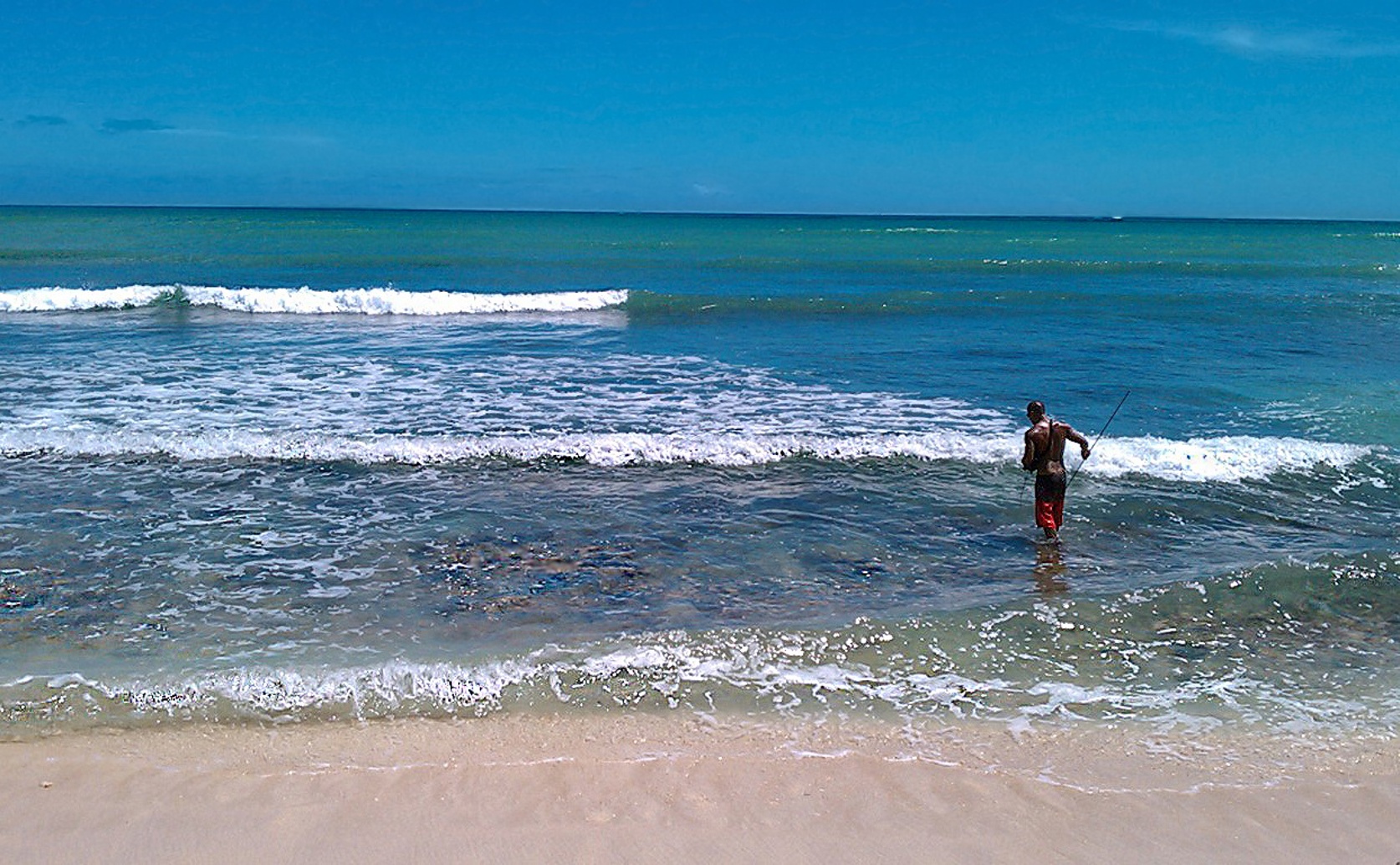
Man spearfishing in Ewa Beach, Hawaii. Photograph is separate from study.

Photo adapted from: Keoni Cabral / CC BY (Source)

Key Findings

  • In Hawaii, roughly 25% of adults have participated in spearfishing, with higher rates among men and Native Hawaiians
  • People who spearfish are 45% more likely to meet recommended exercise guidelines than those who don't
  • Spearfishing not only boosts physical activity but also strengthens cultural ties and community well-being
Physical inactivity is a significant global health concern, contributing to premature mortality and various non-communicable diseases such as heart disease, diabetes, and certain cancers[2]. Addressing this issue requires strategies that not only promote physical activity but also respect and incorporate cultural practices, especially among Indigenous and minority populations. Recent research from the University of Hawaiʻi at Mānoa highlights the role of spearfishing, a traditional Hawaiian activity, in promoting physical health and well-being. In 2019 and 2020, researchers added questions about lifetime spearfishing engagement to the Hawai’i Behavioral Risk Factor Surveillance System, surveying 12,737 residents across the Hawaiian Islands[1]. The study aimed to understand how widespread spearfishing is and identify factors that encourage participation in this activity. The Hawaiian Islands, with their rich cultural heritage and diverse populations, provide an ideal setting for such research. The findings revealed that approximately 25% of respondents had engaged in spearfishing at some point in their lives. Engagement was notably higher among men (41%), Native Hawaiians (43%), other Pacific Islanders (36%), American Indian or Alaskan Native individuals (32%), and residents of rural islands like Lānaʻi (51%) and Molokaʻi (43%). Interestingly, participation rates were consistent across different age groups, indicating that spearfishing is a lifelong activity for many Hawaiians. One of the key outcomes of the study was the association between spearfishing and physical activity levels. Individuals who participated in spearfishing were 45% more likely to meet the recommended guidelines for physical activity compared to those who did not engage in the activity. This aligns with global findings that physical inactivity is a major risk factor for various health issues[2]. By promoting spearfishing, communities can encourage a culturally relevant form of exercise that supports overall health. The study also highlighted sociodemographic factors influencing spearfishing engagement. Participants with a high school diploma or less were more likely to engage in spearfishing than those with higher education levels. This suggests that spearfishing may serve as an accessible and affordable means of staying active, particularly in communities where formal education opportunities may be limited. Previous research underscores the importance of culturally-responsive health promotion initiatives. For instance, the KāHOLO Project demonstrated success in managing uncontrolled hypertension among Indigenous populations through a hula-based program[3]. Similarly, another study found that a hula intervention significantly reduced systolic blood pressure in Native Hawaiians and Pacific Islanders with hypertension[4]. These studies emphasize that incorporating cultural practices into health programs can enhance their effectiveness and acceptance within the community. The spearfishing study builds on this foundation by showing that traditional activities can play a crucial role in public health promotion. By valuing and supporting spearfishing, health programs can connect with individuals on a cultural level, fostering greater participation and sustained engagement in physical activity. This approach not only improves physical health but also strengthens social cohesion and cultural identity. Moreover, the high prevalence of spearfishing among Indigenous and rural populations in Hawai’i points to its potential as a tool for addressing health disparities. Middle-income countries, which house the majority of deaths associated with physical inactivity globally[2], may benefit from similar culturally tailored interventions. By leveraging traditional practices, these programs can offer a more inclusive and effective means of promoting health and well-being. The study also sheds light on regional differences within Hawai’i, with higher engagement rates in certain islands. This variation suggests that tailored strategies may be necessary to support spearfishing activities in different communities, taking into account local preferences and environmental factors. Such an approach ensures that health promotion efforts are both relevant and impactful. Incorporating spearfishing into public health initiatives offers several benefits. It provides a form of moderate to vigorous physical activity that is enjoyable and meaningful to participants, thereby increasing the likelihood of regular engagement. Additionally, spearfishing can enhance food security by providing a sustainable source of nutrition, further contributing to overall health. The University of Hawaiʻi at Mānoa’s research underscores the importance of culturally relevant activities in promoting physical health. By supporting traditional practices like spearfishing, health organizations can adopt a strength-based approach that honors cultural heritage while addressing modern health challenges. This method not only promotes physical activity but also fosters a sense of community and cultural pride, which are essential components of long-term health and well-being. In conclusion, the study from the University of Hawaiʻi at Mānoa highlights the significant role that spearfishing plays in promoting physical activity and health among Hawaiians. By integrating cultural practices into health promotion strategies, communities can achieve greater health equity and improve outcomes for Indigenous and minority populations. This research adds to the growing body of evidence that culturally responsive initiatives are vital for effective public health interventions[2][3][4].

EnvironmentHealth

References

Main Study

1) Spearfishing and public health promotion: A cross-sectional analysis of the Hawaiʻi Behavioral Risk Factor Surveillance System Survey

Published 21st March, 2025

https://doi.org/10.1371/journal.pone.0319169


Related Studies

2) Physical inactivity and non-communicable disease burden in low-income, middle-income and high-income countries.

https://doi.org/10.1136/bjsports-2020-103640


3) Developing culturally-responsive health promotion: insights from cultural experts.

https://doi.org/10.1093/heapro/daad022


4) Cultural Dance Program Improves Hypertension Management for Native Hawaiians and Pacific Islanders: a Pilot Randomized Trial.

https://doi.org/10.1007/s40615-015-0198-4


Related Articles

An unhandled error has occurred. Reload 🗙