Mercury Levels in Fish from the Middle Pastaza River Basin

Jenn Hoskins
19th December, 2024

Mercury Levels in Fish from the Middle Pastaza River Basin

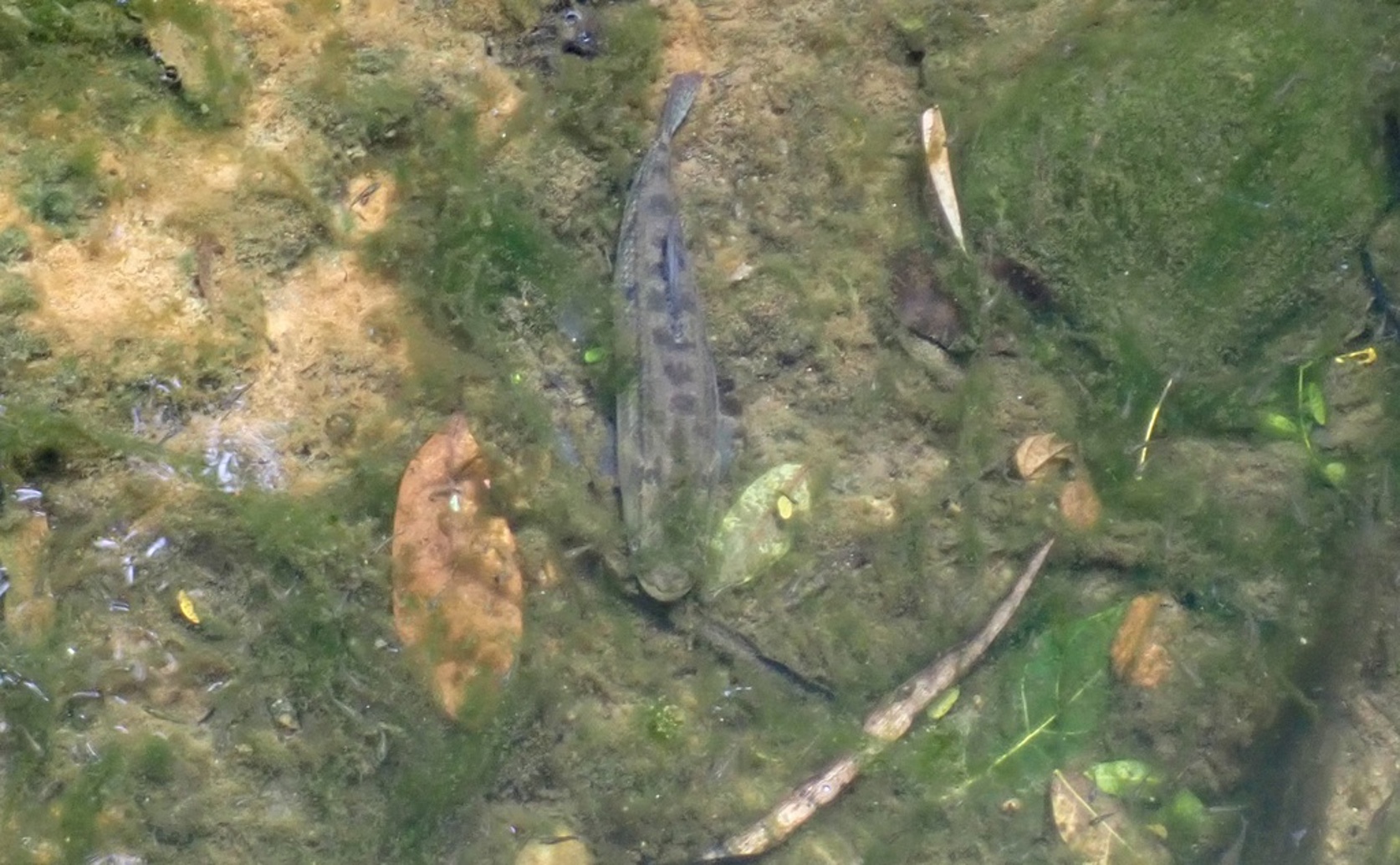
Common Wolffish (Hoplias malabaricus), one of the species mentioned.

Photo adapted from: Richard Littauer / CC BY (Source)

Key Findings

  • The study by Pontificia Universidad Católica del Ecuador measured mercury levels in fish from the Pastaza River in Ecuador
  • Carnivorous fish species had higher mercury levels compared to herbivorous and omnivorous species
  • Mercury levels in all fish species were within safe limits set by health standards, posing no significant health risk to humans
Mercury is one of the most toxic heavy metals, posing significant health risks even with short-term exposure. A recent study conducted by the Pontificia Universidad Católica del Ecuador aimed to determine the concentration of total mercury (THg) in the muscle tissue of various fish species captured from the middle basin of the Pastaza River in Ecuador, which are part of the local diet[1]. This study provides essential insights into potential health risks and environmental impacts associated with mercury contamination. The study analyzed fish from families such as Loricariidae, Cetopsidae, Heptapteridae, Cichlidae, Parodontidae, Characidae, Prochilodontidae, Curimatida, Siluriformes, Cichliformes, Characiformes, Erythrinidae, and Curimatidae. The results showed that carnivorous species, such as Charax sp. and Cetopsis plumbea, had THg concentrations of 0.241 ± 0.018 mg/kg and 0.116 ± 0.045 mg/kg, respectively. In contrast, herbivorous species like Hypostomus sp. had lower THg levels. Among other carnivorous species, Hoplias malabaricus exhibited a THg concentration of 0.160 ± 0.033 mg/kg, while the omnivorous species Creagrutus sp. had a concentration of 0.020 ± 0.007 mg/kg. The study found that carnivorous species accumulated higher levels of mercury compared to non-carnivorous species. Importantly, the concentration of total mercury in the fish collected did not exceed the maximum permissible limits set by various legislative standards, including the Ecuadorian Institute of Standardization (INEN), FAO/WHO, and the European Commission. The objective hazard quotient was less than 1, indicating that consuming these fish poses no significant health risk to humans. The findings align with other studies that have highlighted the bioaccumulation of heavy metals in aquatic ecosystems. For instance, research on the Benin River in Nigeria revealed that heavy metals like cadmium, nickel, and lead in water and fish posed potential health risks[2]. Similarly, studies in the Amazon region have shown that fish can accumulate significant amounts of mercury, especially in carnivorous species, leading to potential health risks for local populations with high fish consumption rates[3]. The study in Ecuador also considered the mean concentrations of methylmercury, a highly toxic form of mercury. The results suggested that the daily consumption rates for all fish species analyzed ranged between 6-199 grams for children and 29-928 grams for adults, which are within safe consumption limits. This research underscores the importance of continuous monitoring of mercury levels in fish, particularly in regions where fish is a dietary staple. The study's findings contribute to a broader understanding of mercury contamination in aquatic environments and its implications for human health. By comparing these results with previous studies, it becomes evident that mercury contamination is a pervasive issue in various parts of the world, necessitating ongoing vigilance and regulatory measures to protect both ecosystems and public health. In conclusion, the study conducted by the Pontificia Universidad Católica del Ecuador provides valuable data on mercury levels in fish from the Pastaza River, demonstrating that current consumption levels are within safe limits. However, it also highlights the need for continued monitoring and regulatory efforts to ensure the long-term safety of fish consumption in mercury-affected regions.

EnvironmentHealthMarine Biology

References

Main Study

1) Assessment of total mercury content in fish muscle tissue from the middle basin of the Pastaza River, Ecuador.

Published 18th December, 2024

https://doi.org/10.1371/journal.pone.0310688


Related Studies

2) Potential health risk consequences of heavy metal concentrations in surface water, shrimp (Macrobrachium macrobrachion) and fish (Brycinus longipinnis) from Benin River, Nigeria.

https://doi.org/10.1016/j.toxrep.2018.11.010


3) Mercury in fish marketed in the Amazon Triple Frontier and Health Risk Assessment.

https://doi.org/10.1016/j.chemosphere.2020.125989


Related Articles

An unhandled error has occurred. Reload 🗙