
Making and Optimizing Ginseng Compounds Using a Helpful Fungus
Greg Howard
6th March, 2025


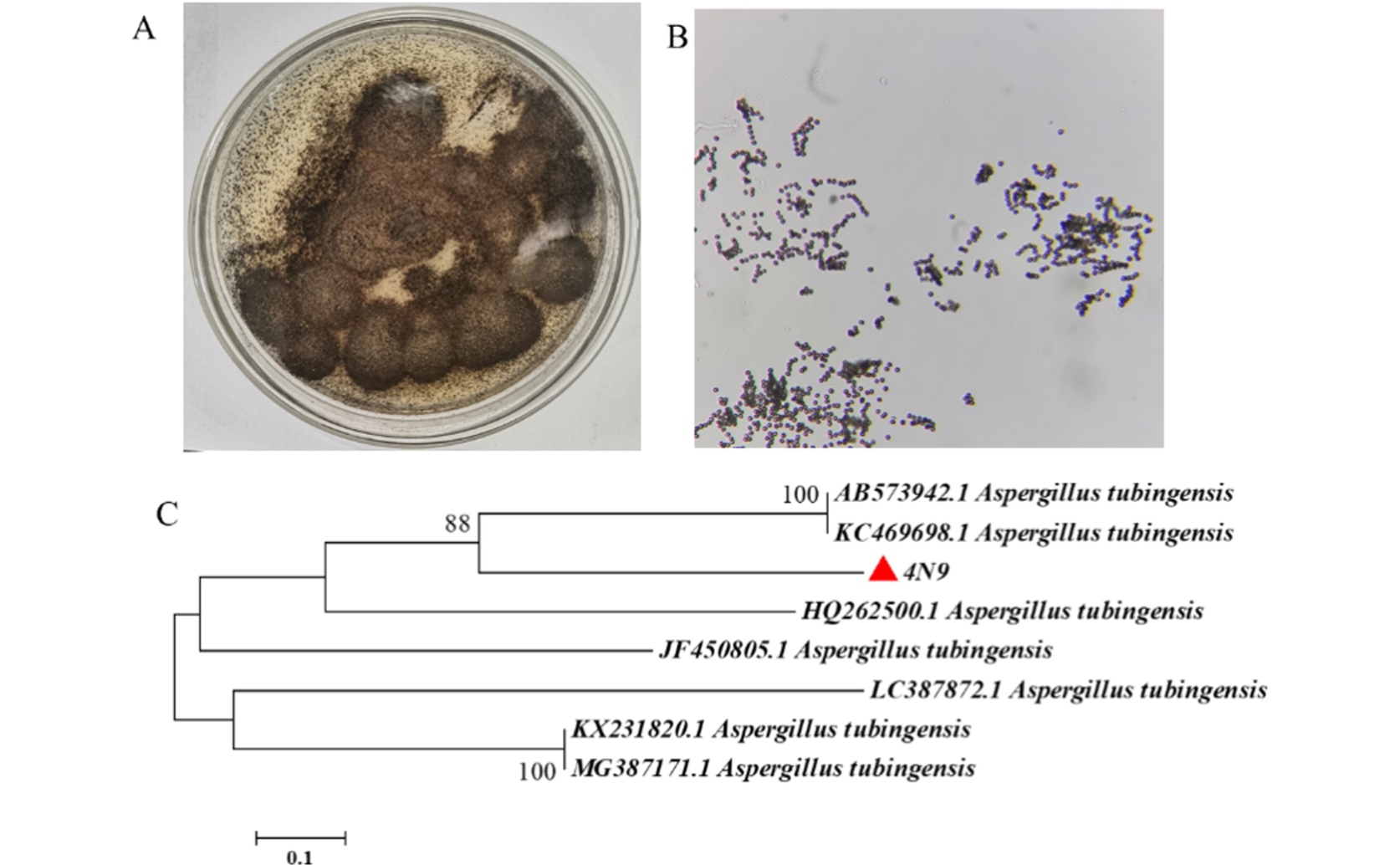
Morphological characteristics (a, b) together with ITS rDNA phylogenetic analysis (c) confirm that the isolated soil fungus is correctly identified as Aspergillus tubingensis, supporting its use as the biocatalyst responsible for the observed ginsenoside transformations in the study.
Key Findings
- In China, scientists used a special fungus to transform common ginseng compounds into more beneficial forms
- This process produced 15 enhanced ginsenosides, which have stronger health and anti-tumor benefits
- The efficient method allows for larger-scale production, making these powerful compounds more available for medicines and supplements
References
Main Study
1) The transformation pathways and optimization of conditions for preparation minor ginsenosides from Panax notoginseng root by the fungus Aspergillus tubingensis
Published 3rd March, 2025
https://doi.org/10.1371/journal.pone.0316279
Related Studies
2) Highly efficient production of diverse rare ginsenosides using combinatorial biotechnology.
3) A literature update elucidating production of Panax ginsenosides with a special focus on strategies enriching the anti-neoplastic minor ginsenosides in ginseng preparations.
4) Highly Regioselective Biotransformation of Protopanaxadiol-type and Protopanaxatriol-type Ginsenosides in the Underground Parts of Panax notoginseng to 18 Minor Ginsenosides by Talaromyces flavus.
Related Articles
 6th July, 2024 | Jenn Hoskins