How Water Quality Affects Cattle Farm Performance

Jim Crocker
24th February, 2025

How Water Quality Affects Cattle Farm Performance
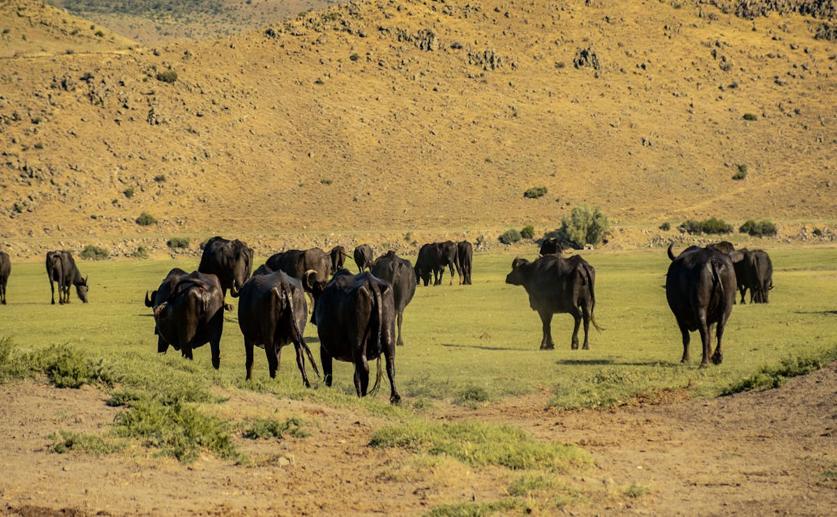
Image Source: Zeynep Sude Emek (photographer)

Key Findings

  • Cairo University studied water quality in 132 Egyptian beef and dairy farms
  • Many water sources had high nitrate levels, causing reduced cattle growth and milk production
  • Poor water conditions and farm hygiene also negatively affected cattle health and productivity
Water quality plays a vital role in beef and dairy farming, significantly influencing the health and productivity of cattle. A recent study conducted by Cairo University[1] examined how different water quality parameters affect cattle performance indicators (PIs) in Egyptian farms experiencing emerging epidemics. The research involved a comprehensive survey of 132 farms, where questionnaires were used to identify hygiene-related risk factors (HRFs) impacting cattle health. Concurrently, 132 water samples were collected and analyzed for various parameters, including pH, total dissolved solids (TDS), hardness, chloride, nitrate, sulphate, total colony count, and total coliform count. The analysis revealed that a substantial percentage of the water samples exceeded permissible limits for these parameters, with violations ranging from 13% to 86.3%. For instance, nitrate levels were particularly high, acting as the most influential predictor for both beef and dairy performance indicators. Other parameters like TDS, hardness, sulphate, and microbial counts also showed significant correlations with cattle performance. Specifically, higher nitrate levels were associated with poorer feed conversion ratios in beef farming and reduced feed efficiency in dairy farming. Additionally, microbial contamination was a concern, aligning with findings from earlier research on the River Nile[2], which identified various pollutants and biological contaminants affecting water quality in Egypt. The study also highlighted that hygiene-related risk factors, such as housing systems, bedding types, water sources, water tank and pipe types, drinker lining, herd size, and cattle breed, had varying degrees of correlation with cattle performance indicators. These factors, while important, showed weaker to moderate correlations compared to the direct impact of water quality parameters. Previous research on drinking water distribution systems[3] has shown that biofilms, which are layers of microorganisms, can contribute to microbial contamination and affect water quality. This is relevant to the current study, as high microbial counts in water can be indicative of biofilm presence, leading to potential health risks for cattle. The integration of these earlier findings underscores the complexity of water quality management in agricultural settings, where both chemical and biological factors must be addressed to ensure optimal cattle health and farm productivity. To assess the overall water quality, the study employed statistical methods to establish correlations between water parameters and cattle performance. The findings indicated that water quality directly influences key performance metrics in cattle, emphasizing the need for regular monitoring and management of water sources on farms. High nitrate levels, in particular, were identified as a critical issue, necessitating the implementation of water treatment methods to reduce nitrate concentration and mitigate its adverse effects on cattle. Moreover, the research suggested that addressing hygiene-related risk factors on farms could further enhance cattle performance. This includes improving housing conditions, optimizing bedding materials, and ensuring the cleanliness of water tanks and pipes. By combining water quality management with good farming practices, farmers can create a healthier environment for their cattle, leading to better performance outcomes. The study conducted by Cairo University builds on previous research by providing specific insights into how water quality parameters affect cattle performance in the context of Egyptian farms. It highlights the importance of maintaining water within permissible limits and managing on-farm hygiene factors to support cattle health and productivity. These findings are crucial for farmers and agricultural managers aiming to improve livestock performance through effective water quality control and farm management practices.

AgricultureEnvironmentAnimal Science

References

Main Study

1) Effects of Drinking Water Quality Parameters on Egyptian Cattle Farm Performance Indicators

Published 21st February, 2025

https://doi.org/10.1002/vms3.70261


Related Studies

2) Chemical and bacterial quality monitoring of the Nile River water and associated health risks in Qena-Sohag sector, Egypt.

https://doi.org/10.1007/s10653-021-00893-3


3) Understanding, Monitoring, and Controlling Biofilm Growth in Drinking Water Distribution Systems.

https://doi.org/10.1021/acs.est.6b00835


Related Articles

An unhandled error has occurred. Reload 🗙