Using RNA Analysis and AI to Find Disease Resistance Markers in Sugar Beet

Jim Crocker
4th February, 2025

Using RNA Analysis and AI to Find Disease Resistance Markers in Sugar Beet

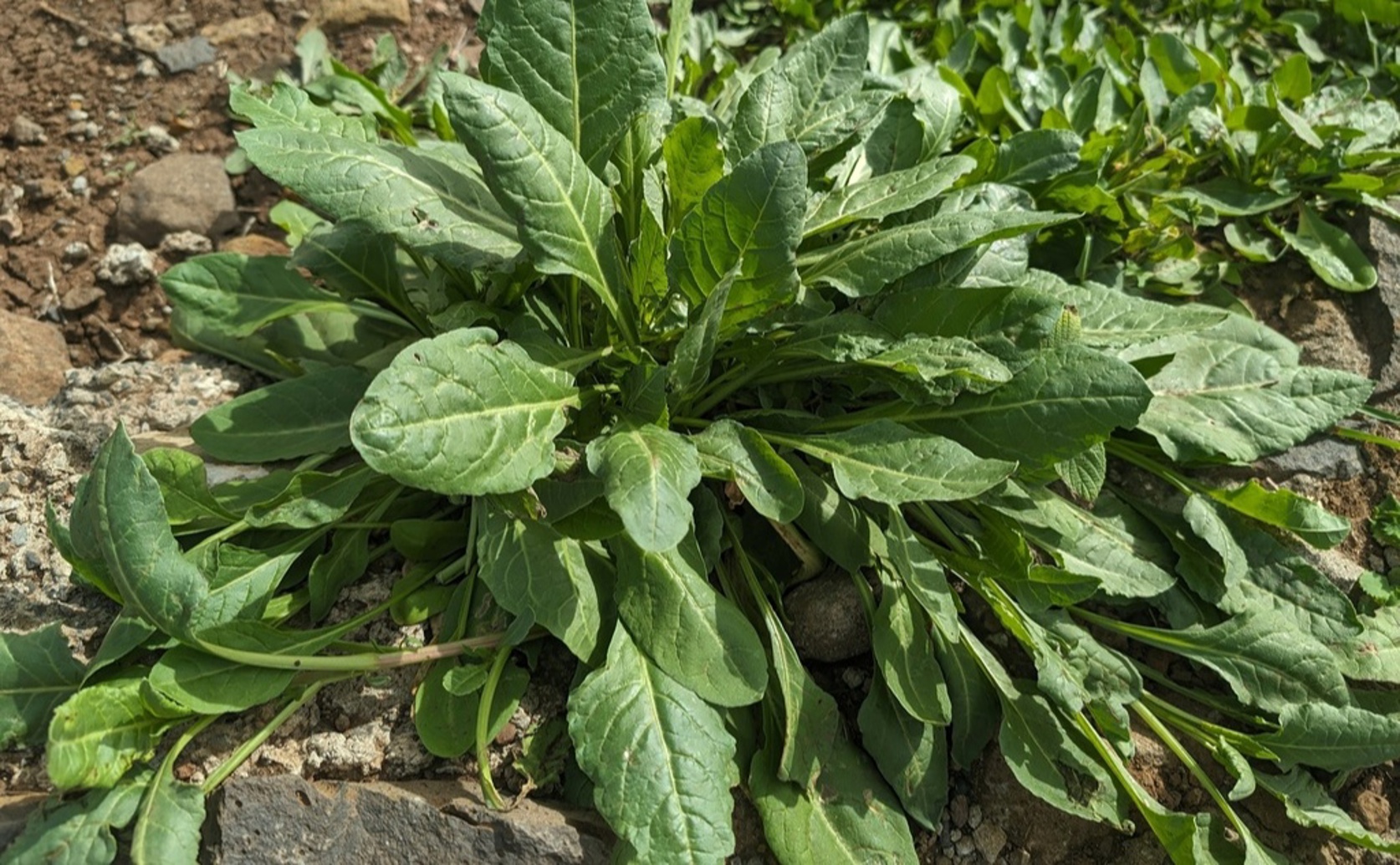
Sugar beet (Beta vulgaris)

Photo adapted from: Viktor / CC BY (Source)

Key Findings

  • Researchers in Iran studied sugar beet resistance to a harmful fungus, Rhizoctonia solani, using RNA-Seq and machine learning
  • They identified three key genes (ERF1A, APR1, HIPP5) linked to stress response, sulfur metabolism, and disease resistance
  • These genes could help breed fungus-resistant sugar beet varieties, improving crop resilience and sustainable farming
Rhizoctonia solani is a destructive fungal pathogen responsible for crown and root rot in sugar beet (Beta vulgaris), a vital crop in global agriculture. This disease can cause significant yield losses, posing a challenge to sustainable farming practices. A recent study by the Agricultural Biotechnology Research Institute of Iran (ABRII)[1] has made strides in understanding the molecular mechanisms behind sugar beet resistance and susceptibility to this pathogen. By combining RNA-Seq analysis with machine learning techniques, the researchers identified key genes that could serve as biomarkers for breeding R. solani-resistant cultivars. The findings have the potential to improve crop resilience and contribute to sustainable agricultural strategies. The study employed RNA-Seq, a method for analyzing gene expression by sequencing RNA, to compare sensitive and tolerant sugar beet cultivars under R. solani infection. Differentially expressed genes (DEGs) were identified, and machine learning algorithms such as Relief and kernel-based methods were used to rank these genes based on their importance. This integrative approach revealed three key candidate genes: Bv5g001004, encoding Ethylene-responsive transcription factor 1A (ERF1A); Bv8g000842, encoding 5'-adenylylsulfate reductase 1 (APR1); and Bv7g000949, encoding Heavy metal-associated isoprenylated plant protein 5 (HIPP5). These genes are implicated in stress signal transduction, sulfur metabolism, and disease resistance, providing new insights into the genetic basis of sugar beet tolerance to R. solani. The discovery of Bv5g001004, encoding ERF1A, aligns with previous findings on the role of ethylene response factors (ERFs) in plant stress responses. ERF1A belongs to the same family as ERF6, which has been extensively studied for its role in regulating stress-induced growth inhibition[2]. ERF6 is known to activate a wide range of genes involved in stress tolerance, and its regulation is tightly connected to ethylene signaling pathways. Similarly, ERF1A likely contributes to stress resistance in sugar beet by modulating gene expression in response to pathogen attack. This highlights the broader importance of ERFs in plant defense mechanisms and suggests that targeting these transcription factors could enhance crop resilience. The identification of Bv8g000842, encoding APR1, underscores the role of sulfur metabolism in plant stress responses. APR1 is a key enzyme in the sulfur assimilation pathway, catalyzing the reduction of adenosine 5'-phosphosulfate (APS) to sulfite, a critical step in the production of cysteine and other sulfur-containing compounds. Previous studies have established that hydrogen sulfide (H2S), a byproduct of sulfur metabolism, acts as a signaling molecule in plants, influencing growth, development, and stress responses[3]. The regulation of APR1 by environmental stimuli, as observed in other plant species, suggests that sulfur metabolism plays a pivotal role in sugar beet's defense against R. solani. By enhancing sulfur assimilation, plants may strengthen their ability to produce sulfur-rich defense compounds, contributing to pathogen resistance. Bv7g000949, encoding HIPP5, highlights the involvement of heavy metal-associated isoprenylated plant proteins in stress responses. HIPPs are known for their ability to bind heavy metals and participate in stress signaling pathways[4]. Notably, many HIPPs are localized to plasmodesmata (PD), the nanochannels that facilitate intercellular communication. PD-localized HIPPs have been implicated in regulating stress signal transduction and developmental processes. In the context of sugar beet resistance, HIPP5 may play a role in coordinating cellular responses to R. solani infection, possibly by modulating the transport of defense signals between cells. This finding expands our understanding of how HIPPs contribute to plant immunity and underscores their potential as targets for crop improvement. The researchers used machine learning models, including Random Forest and Decision Tree algorithms, to visualize the interactions between these genes and their contributions to resistance. These models provided a clear representation of the decision-making processes, enabling the identification of key genetic factors associated with tolerance. This approach not only validated the importance of the identified genes but also demonstrated the utility of integrating computational tools with molecular biology for biomarker discovery. By combining RNA-Seq and machine learning, this study provides a robust framework for identifying genetic targets for crop improvement. The findings build on previous research on ethylene signaling[2], sulfur metabolism[3], and HIPPs[4], offering a comprehensive understanding of the mechanisms underlying sugar beet resistance to R. solani. The identified genes—ERF1A, APR1, and HIPP5—represent promising targets for developing disease-resistant cultivars, contributing to sustainable agricultural practices and ensuring the stability of sugar beet production in the face of pathogen challenges.

BiotechGeneticsPlant Science

References

Main Study

1) Integrative analysis of RNA-Seq data and machine learning approaches to identify Biomarkers for Rhizoctonia solani resistance in sugar beet.

Published 3rd February, 2025

https://doi.org/10.1016/j.bbrep.2025.101920


Related Studies

2) ETHYLENE RESPONSE FACTOR6, A Central Regulator of Plant Growth in Response to Stress.

https://doi.org/10.1111/pce.15181


3) Central Role of Adenosine 5'-Phosphosulfate Reductase in the Control of Plant Hydrogen Sulfide Metabolism.

https://doi.org/10.3389/fpls.2018.01404


4) Heavy Metal-Associated Isoprenylated Plant Proteins (HIPPs) at Plasmodesmata: Exploring the Link between Localization and Function.

https://doi.org/10.3390/plants12163015


Related Articles

An unhandled error has occurred. Reload 🗙