Future of Mediterranean Deep-Water Oyster Reefs and Their Diversity

Greg Howard
29th December, 2024

Future of Mediterranean Deep-Water Oyster Reefs and Their Diversity

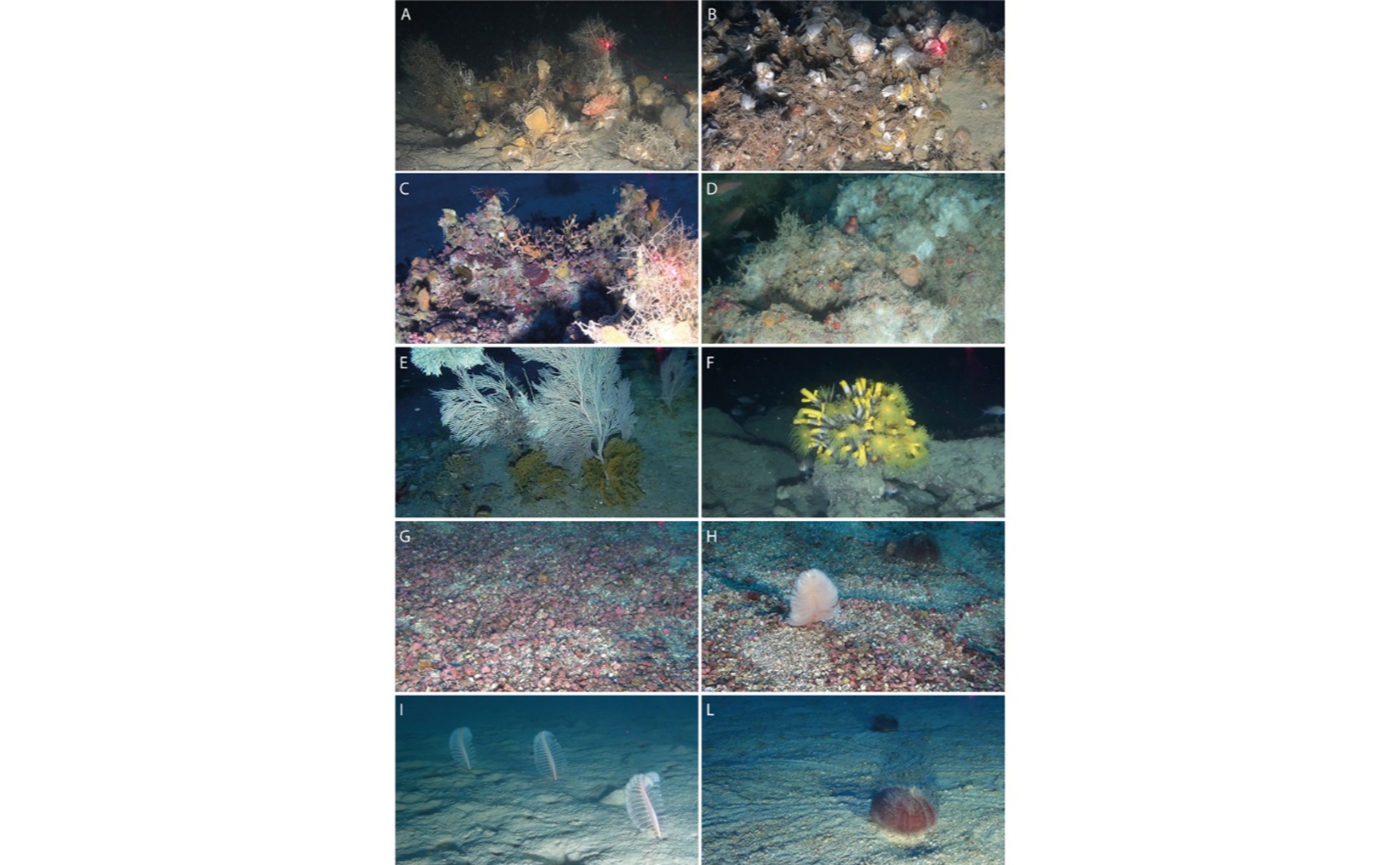
A comparison of the five distinct benthic assemblages shown reveals that deep-water oyster reefs built by Neopycnodonte cochlear (a, b) are biodiversity hotspots, supporting a richness of species comparable to coralligenous (c, d) and cnidarian-dominated habitats (e, f).

Image adapted from: Castellan et al. / CC BY (Source)

Key Findings

  • The study by the National Research Council (CNR) in Italy focused on deep-water oyster reefs in the central Mediterranean Sea
  • These deep-water oyster reefs are biodiversity hotspots, supporting a wide range of species and ecological functions
  • The resilience of these reefs suggests they may better withstand the pressures of human activities and climate change, highlighting their importance for marine conservation efforts
The health of marine ecosystems is critical to the overall well-being of our planet. However, human activities and climate change are increasingly impacting these ecosystems, leading to significant declines in biodiversity and ecosystem services. A recent study by the National Research Council (CNR), Italy, has focused on the role of deep-water oyster reefs in the Mediterranean Sea and their potential to serve as biodiversity hotspots and maintain ecological functions under current and changing ocean conditions[1]. Marine ecosystems are facing unprecedented threats from human activities. Overharvesting, habitat destruction, and the introduction of alien species have already significantly altered modern oyster reefs in the Mediterranean, Black Sea, and Atlantic Ocean. These changes are compounded by the broader impacts of anthropogenic climate change, such as decreased ocean productivity, altered food web dynamics, and shifting species distributions[2]. These factors contribute to the degradation of marine habitats, making it crucial to understand and protect the remaining resilient ecosystems. The study by CNR focuses on deep-water oyster reefs formed by the gryphaeid Neopycnodonte cochlear, which are found below 30 meters depth in the central Mediterranean Sea. These reefs have not been as extensively studied as their shallow-water counterparts, yet they can form substantial biogenic structures. The researchers employed both taxonomic and functional approaches to analyze the diversity of benthic (bottom-dwelling) assemblages associated with these deep-water reefs. The findings suggest that deep-water oyster reefs are biodiversity hotspots, supporting a wide range of species and ecological functions. This diversity is crucial for the resilience of marine ecosystems, providing various services such as habitat provision, nutrient cycling, and food for other marine organisms. The study highlights that these reefs may have an edge in survival in a changing ocean, potentially due to their depth and the unique conditions found there. The implications of these findings are significant, especially in the context of the broader impacts of human activities on marine ecosystems. Previous studies have shown that the synergistic effects of habitat destruction, overfishing, introduced species, and climate change are transforming marine ecosystems into less complex and less productive states[3]. The resilience of deep-water oyster reefs offers a glimmer of hope, suggesting that some marine habitats may be more capable of withstanding these pressures. To conduct their study, the researchers used a combination of field surveys and laboratory analyses to assess the species composition and ecological functions of the deep-water oyster reefs. They collected samples from various depths and locations within the central Mediterranean Sea, identifying and categorizing the species found. The functional approach involved analyzing the roles these species play within the ecosystem, such as their contributions to nutrient cycling and habitat complexity. This comprehensive analysis provides a clearer picture of the importance of deep-water oyster reefs and their potential to support marine biodiversity in the face of ongoing environmental changes. The study underscores the need for targeted conservation efforts to protect these and other resilient marine habitats. By preserving the diversity and ecological functions of these reefs, we can help maintain the overall health and stability of marine ecosystems. In conclusion, the study by CNR highlights the critical role of deep-water oyster reefs in the Mediterranean Sea as biodiversity hotspots and resilient ecological structures. These findings build on previous research that has documented the widespread impacts of human activities on marine ecosystems[2][3]. By understanding and protecting these deep-water reefs, we can contribute to the broader goal of preserving marine biodiversity and ensuring the continued provision of essential ecosystem services.

EnvironmentEcologyMarine Biology

References

Main Study

1) Diversity and future perspectives of Mediterranean deep-water oyster reefs.

Published 28th December, 2024

https://doi.org/10.1038/s41598-024-77641-x


Related Studies

2) The impact of climate change on the world's marine ecosystems.

https://doi.org/10.1126/science.1189930


3) Colloquium paper: ecological extinction and evolution in the brave new ocean.

https://doi.org/10.1073/pnas.0802812105


Related Articles

An unhandled error has occurred. Reload 🗙