How Virus Diversity and Function Impact Coral Bleaching

Greg Howard
28th November, 2024

How Virus Diversity and Function Impact Coral Bleaching

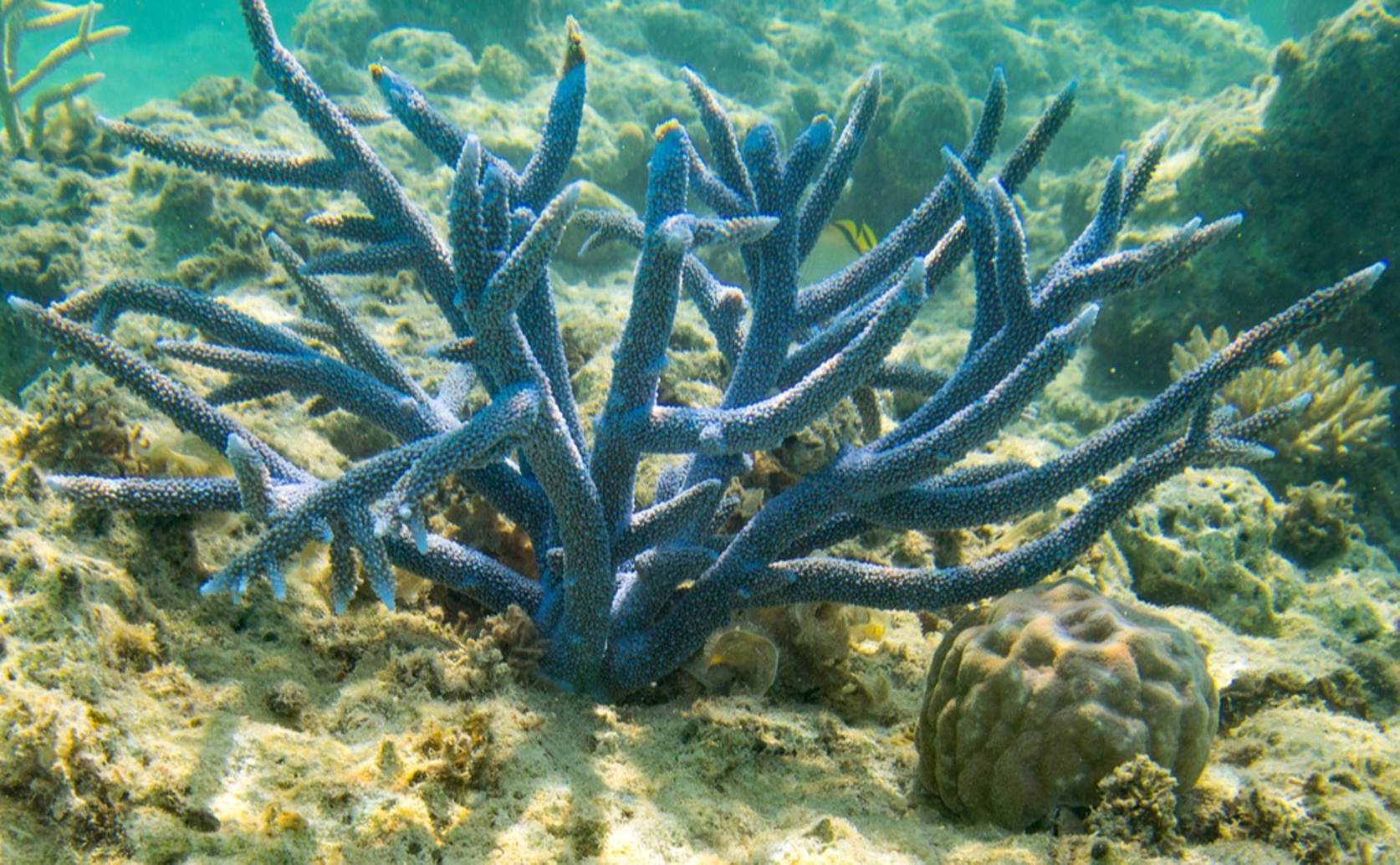
Brown Staghorn Coral (Acropora muricata)

Photo adapted from: Paul Asman / CC BY (Source)

Key Findings

  • The study by Tsinghua University in Shenzhen found that bleached corals have a higher diversity of viruses compared to healthy corals
  • Bleached corals showed an increased abundance of specific viral classes and functional genes involved in carbon and sulfur metabolism
  • The study revealed more Vibrio bacteria and Vibrio phages in bleached corals, suggesting that phages may enhance the virulence of pathogenic bacteria, contributing to coral bleaching
Coral reefs are vital marine ecosystems that support a diverse range of marine life, including fish, crustaceans, and other organisms. The health of these reefs is intricately linked to the coral holobiont, a complex system consisting of the coral animal, its symbiotic algae (Symbiodinium), and a variety of associated microorganisms, including bacteria, fungi, archaea, and viruses. Recent research by Tsinghua University, Shenzhen, has shed light on the role of viruses, particularly bacteriophages (viruses that infect bacteria), in coral health and bleaching events[1]. Coral bleaching is a phenomenon where corals lose their symbiotic algae, leading to a white appearance and potentially resulting in coral death if stressful conditions persist. Previous studies have highlighted the importance of the microbial community in coral health. For instance, the surface mucus layer (SML) of corals hosts diverse prokaryotic communities that fluctuate with mucus aging and shedding cycles, playing a critical role in coral health[2]. Additionally, the coral probiotic hypothesis suggests that beneficial microorganisms for corals (BMC) can enhance coral resilience to environmental stressors[3]. The study by Tsinghua University focused on the viral component of the coral holobiont, which has been relatively understudied compared to other microorganisms. By using amplicon and metagenomic analyses on two coral species, Acropora muricata and Galaxea astreata, the researchers compared the diversity and functionality of viruses in healthy and bleached corals. They found that the alpha diversity, a measure of species diversity within a community, of holobionts, including bacteria, eukaryotes, zooxanthellae, and viruses, was higher in bleached corals than in healthy ones. Bleached corals exhibited a higher abundance of specific viral classes, such as Revtraviricetes, Arfiviricetes, Faserviricetes, Caudoviricetes, Herviviricetes, and Tectiliviricetes. These viruses were associated with an increased expression of functional genes involved in carbon and sulfur metabolism. This finding aligns with earlier research indicating that shifts in microbial community composition can lead to the prevalence of opportunistic and potentially pathogenic bacteria, such as Vibrio, which are known to contribute to coral bleaching[2]. The study also revealed an increased abundance of Vibrio bacteria and Vibrio phages (viruses that infect Vibrio) in bleached corals. These phages encoded more virulence factor genes, which could enhance the competitiveness of Vibrio after coral bleaching. This suggests a tripartite interaction between phages, bacteria, and corals, where phages may play a role in the induction of coral bleaching by promoting the virulence of pathogenic bacteria. These findings underscore the complexity of the coral holobiont and highlight the need to consider the viral community when studying coral health and resilience. By understanding the interactions between viruses, bacteria, and corals, researchers can develop strategies to manipulate the microbiome and potentially mitigate the effects of coral bleaching. This could include the use of BMC consortia as environmental probiotics to improve coral resistance after bleaching events, as previously proposed[3]. In conclusion, the study by Tsinghua University provides valuable insights into the role of viruses in coral health and bleaching. It builds on earlier research by highlighting the importance of the microbial community in maintaining coral health and resilience. By expanding our understanding of the viral component of the coral holobiont, this research paves the way for new approaches to protect and restore coral reefs in the face of environmental stressors.

EnvironmentEcologyMarine Biology

References

Main Study

1) Changes in the diversity and functionality of viruses that can bleach healthy coral.

Published 26th November, 2024

https://doi.org/10.1128/msphere.00816-24


Related Studies

2) The microbiome of coral surface mucus has a key role in mediating holobiont health and survival upon disturbance.

https://doi.org/10.1038/ismej.2016.9


3) Beneficial Microorganisms for Corals (BMC): Proposed Mechanisms for Coral Health and Resilience.

https://doi.org/10.3389/fmicb.2017.00341


Related Articles

An unhandled error has occurred. Reload 🗙