How Lactic Acid Bacteria Improve the Flavor of Fermented Sweet Potato Juice

Jim Crocker
11th December, 2024

How Lactic Acid Bacteria Improve the Flavor of Fermented Sweet Potato Juice

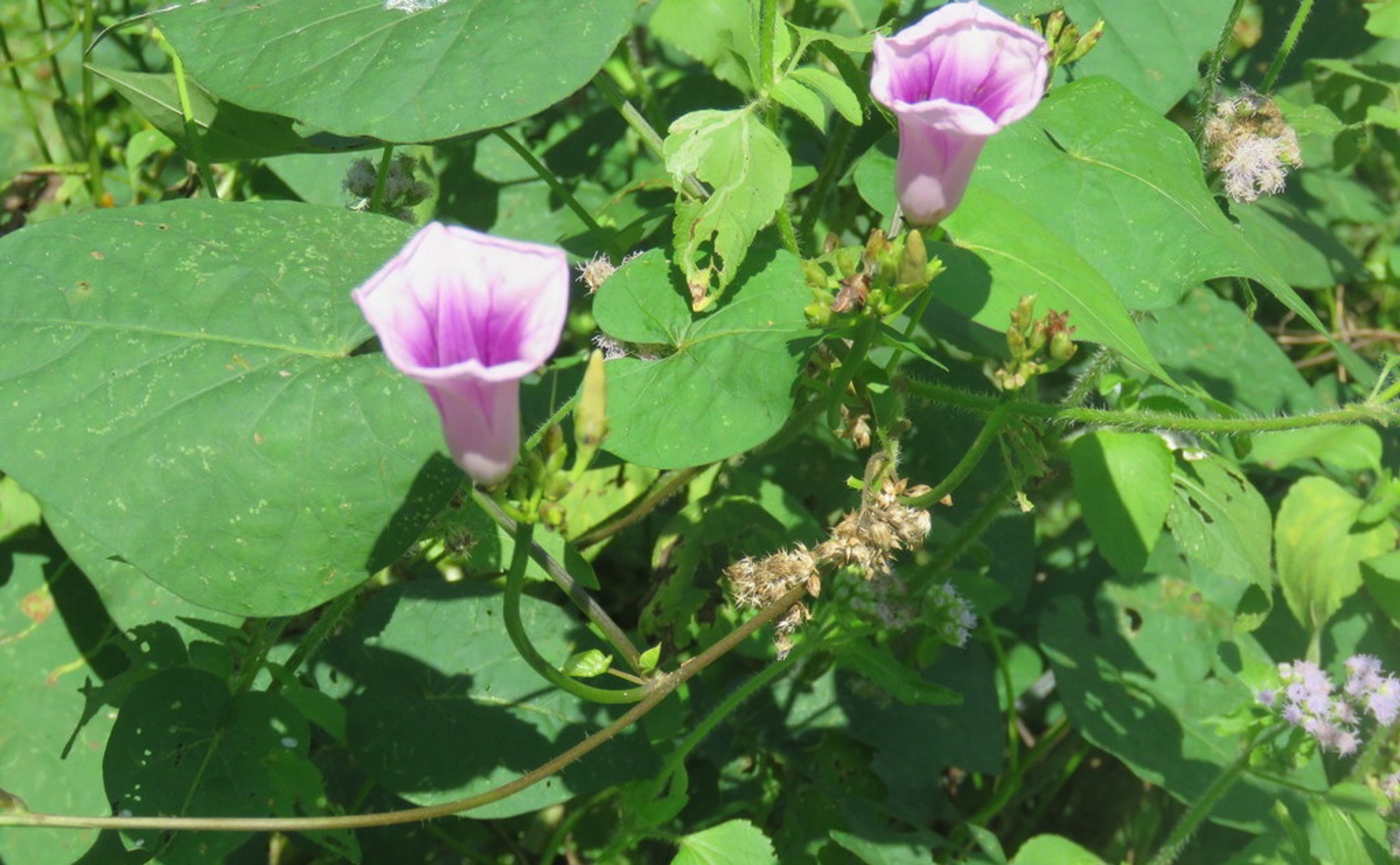
Sweet potato (Ipomoea batatas)

Photo adapted from: Alexis López Hernández / CC BY (Source)

Key Findings

  • Researchers at Ludong University studied how five lactic acid bacteria (LAB) strains affect the flavor of fermented sweet potato juice
  • LAB fermentation decreased sweet and nutty odors while increasing fresh, floral, and citrus aromas in the juice
  • The strain Lactiplantibacillus plantarum had the most significant impact, making the juice more appealing by enhancing desirable aroma compounds
The recent study conducted by researchers at Ludong University[1] aimed to evaluate the impact of five lactic acid bacteria (LAB) strains on the flavor profile of fermented sweet potato juice. The LAB strains investigated included Lactiplantibacillus plantarum, Lacticaseibacillus casei, Streptococcus thermophilus, Lacticaseibacillus rhamnosus, and Lactobacillus delbrueckii subsp. bulgaricus. The study found that these bacteria significantly influenced the concentrations of sugars, organic acids, and volatile aroma compounds in the juice, leading to enhanced aroma quality. Lactic acid fermentation is a process where bacteria convert sugars into lactic acid, which can alter the taste, texture, and aroma of food products. This method has been used in various studies to improve the sensory properties of different foods. For example, previous research has shown that lactic acid fermentation can enhance the volatile profile of melon and cashew apple juices[2]. Similarly, the fermentation of pea-based products with LAB has been found to improve their aroma and reduce undesirable flavors[3]. These findings provided a foundation for exploring the effects of LAB on sweet potato juice. In the current study, the researchers observed that the inoculation of sweet potato juice with LAB led to a decrease in sweet and nutty odors while increasing fresh, floral, and citrus aromas. This transformation can be attributed to the production of volatile organic compounds (VOCs) such as acids and ketones during fermentation. These compounds are known to contribute to the overall aroma profile of fermented foods. The study specifically noted that L. plantarum had the most significant impact on the volatile compounds in the fermented sweet potato juice, resulting in the highest overall acceptability among the samples tested. The methodology involved fermenting sweet potato juice with each of the five LAB strains and analyzing the changes in the concentrations of sugars, organic acids, and VOCs. The researchers used techniques such as gas chromatography-mass spectrometry (GC-MS) to identify and quantify the VOCs. This approach is consistent with methods used in previous studies to assess the volatile profiles of fermented products[2][4]. The analysis revealed that LAB fermentation led to the production of desirable aroma compounds while reducing less favorable ones, similar to the effects observed in fermented pomegranate juice[4]. The study's findings suggest that LAB fermentation can be an effective way to enhance the flavor profile of sweet potato juice. By decreasing sweet and nutty odors and increasing fresh, floral, and citrus aromas, LAB fermentation can make sweet potato juice more appealing to consumers. This aligns with the broader goal of using fermentation to improve the sensory properties of various food products, as demonstrated in earlier research on fruit juices and legumes[2][3]. In conclusion, the study from Ludong University highlights the potential of LAB fermentation to enhance the aroma quality of sweet potato juice. The significant influence of L. plantarum on the volatile compounds suggests that this strain could be particularly useful for developing fermented sweet potato juice with desirable flavor characteristics. This research builds on previous findings and provides further evidence of the benefits of lactic acid fermentation in improving the sensory properties of food products.

NutritionBiochemPlant Science

References

Main Study

1) Effect of five lactic acid bacteria on the flavor quality of fermented sweet potato juice.

Published 30th December, 2024 (future Journal edition)

https://doi.org/10.1016/j.fochx.2024.102023


Related Studies

2) Chemometric evaluation of the volatile profile of probiotic melon and probiotic cashew juice.

https://doi.org/10.1016/j.foodres.2017.05.030


3) Design of microbial consortia for the fermentation of pea-protein-enriched emulsions.

https://doi.org/10.1016/j.ijfoodmicro.2019.01.012


4) Lactic acid fermentation drives the optimal volatile flavor-aroma profile of pomegranate juice.

https://doi.org/10.1016/j.ijfoodmicro.2017.02.014


Related Articles

An unhandled error has occurred. Reload 🗙