Improving Soil Treatments to Reduce Arsenic in Rice Grown on Contaminated Land

Greg Howard
14th June, 2024

Improving Soil Treatments to Reduce Arsenic in Rice Grown on Contaminated Land

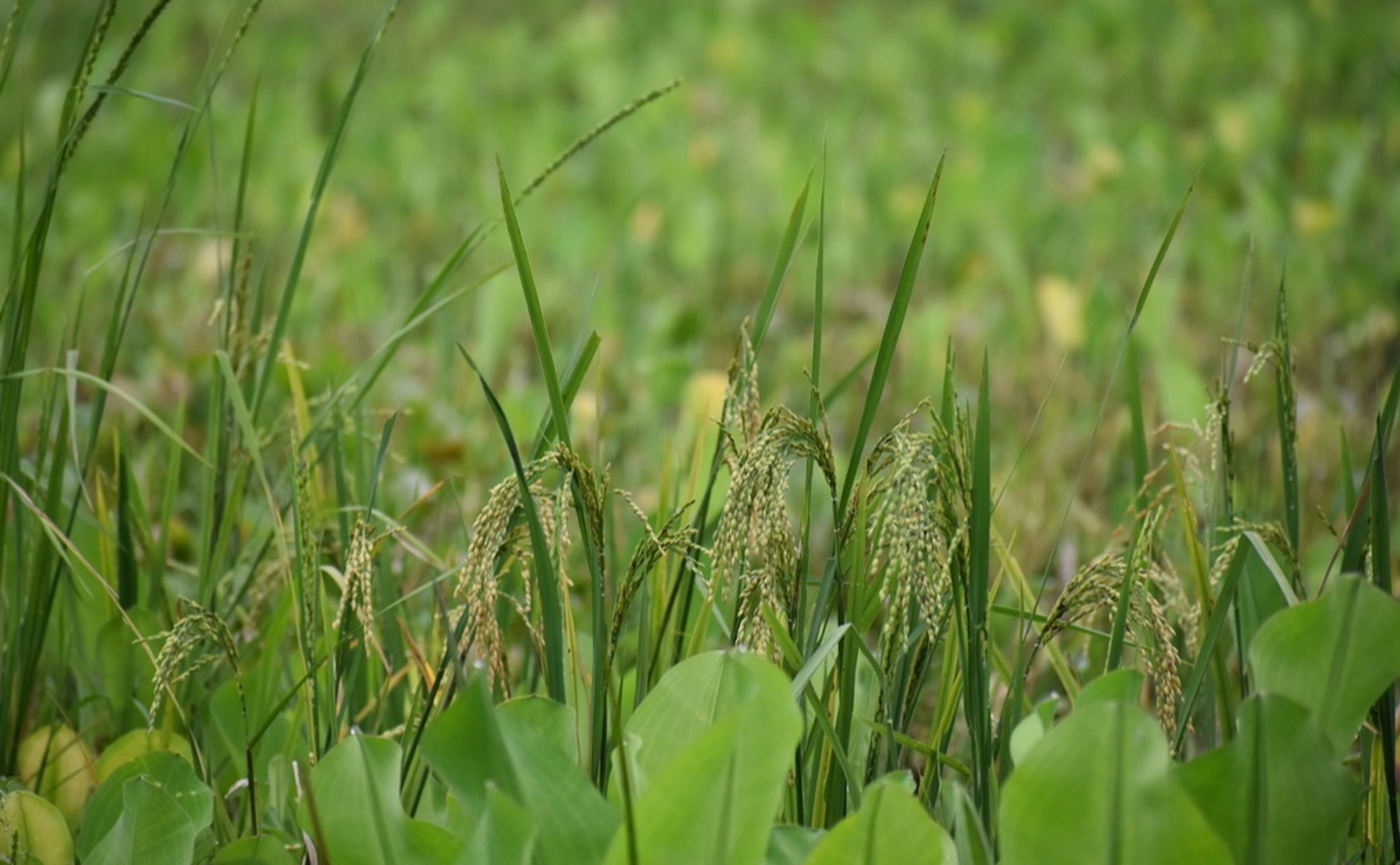
Organic soil amendments can protect rice (Oryza sativa) from unseen contamination by reducing the accumulation of harmful arsenic in the grain and ensuring a safer harvest.

Photo adapted from: Gannu03 / CC BY SA (Source)

Key Findings

  • The study was conducted in Bangladesh to address arsenic contamination in rice
  • Adding biochar, vermicompost, and duckweed significantly improved rice growth and yield
  • The combination of these amendments reduced arsenic levels in rice grains by up to 56%
Arsenic (As) contamination in rice is a pressing health concern, particularly in regions like Bangladesh where rice is a staple food. The accumulation of arsenic in rice grains poses significant risks to human health, including cancer and other chronic diseases[2]. To address this issue, researchers from Sylhet Agricultural University conducted a study investigating the efficacy of various organic amendments and phytoremediation techniques in reducing arsenic buildup in rice (Oryza sativa L.)[1]. The study explored the use of biochar (BC), vermicompost (VC), and floating duckweed (DW) to mitigate arsenic accumulation in rice grown in contaminated soils. Biochar is a carbon-rich product obtained from the pyrolysis of organic materials, vermicompost is decomposed organic matter produced by earthworms, and duckweed is an aquatic plant known for its ability to absorb pollutants. The researchers employed a three-factor five-level central composite design and response surface methodology (RSM) to optimize the application rates of these amendments. Arsenic contamination in soil was found to negatively impact the growth of rice plants, leading to reduced yield and increased oxidative stress in the leaves. However, the addition of BC, VC, and DW significantly improved plant growth parameters, including morphological traits, SPAD value (a measure of chlorophyll content), and grain yield per pot. Notably, a combination of moderate biochar and duckweed with high vermicompost (BC0.55VC5DW250) increased grain yield by 44.4% compared to the control (BC0VC0DW0). The study also revealed that arsenic contamination increased arsenic levels in the roots, straw, and grains of the rice plants, as well as oxidative stress markers like hydrogen peroxide and malondialdehyde in the leaves. However, the treatment combination of BC0.82VC4.2DW340 significantly reduced grain arsenic by 56%, leaf hydrogen peroxide by 71%, and malondialdehyde by 50% compared to the control. This indicates that these organic amendments can effectively mitigate arsenic stress in rice plants. Previous research has highlighted the severe health risks associated with arsenic exposure through rice consumption[2]. Rice plants are particularly efficient at assimilating arsenic into their grains, especially when grown in flooded soils under reducing conditions[2]. This study builds on these findings by demonstrating that organic amendments like biochar, vermicompost, and duckweed can significantly reduce arsenic uptake and accumulation in rice grains. Furthermore, the study found that lower doses of BC, VC, and DW increased antioxidant enzyme activities, which are crucial for combating oxidative stress in plants. However, moderate to high doses of these amendments resulted in a decline in enzyme activities, suggesting that there is an optimal range for their application. The researchers used RSM optimization to determine that the optimal doses of BC (0.76%), VC (4.62%), and DW (290.0 g m−2) could maximize grain yield (32.96 g pot−1, 44% higher than control) and minimize grain arsenic content (0.189 mg kg−1, 54% lower than control). This study is significant as it offers effective strategies for enhancing rice yield and reducing arsenic accumulation in grains from contaminated areas. The findings underscore the importance of using organic amendments and phytoremediation techniques to ensure agricultural productivity, human health, and long-term sustainability. By incorporating these methods, farmers in arsenic-affected regions can produce safer and healthier rice, contributing to improved public health outcomes. In conclusion, the study conducted by Sylhet Agricultural University provides valuable insights into mitigating arsenic contamination in rice through the use of organic amendments and phytoremediation techniques. These findings are crucial for developing sustainable agricultural practices that safeguard human health and ensure food security in regions affected by arsenic contamination.

AgricultureEnvironmentSustainability

References

Main Study

1) Optimizing biochar, vermicompost, and duckweed amendments to mitigate arsenic uptake and accumulation in rice (Oryza sativa L.) cultivated on arsenic-contaminated soil

Published 13th June, 2024

https://doi.org/10.1186/s12870-024-05219-w


Related Studies

2) Arsenic accumulation in rice: Consequences of rice genotypes and management practices to reduce human health risk.

https://doi.org/10.1016/j.envint.2016.09.006


Related Articles

An unhandled error has occurred. Reload 🗙