Astragalus root may offer protection against preeclampsia in lab studies

Greg Howard
16th December, 2025

Astragalus root may offer protection against preeclampsia in lab studies

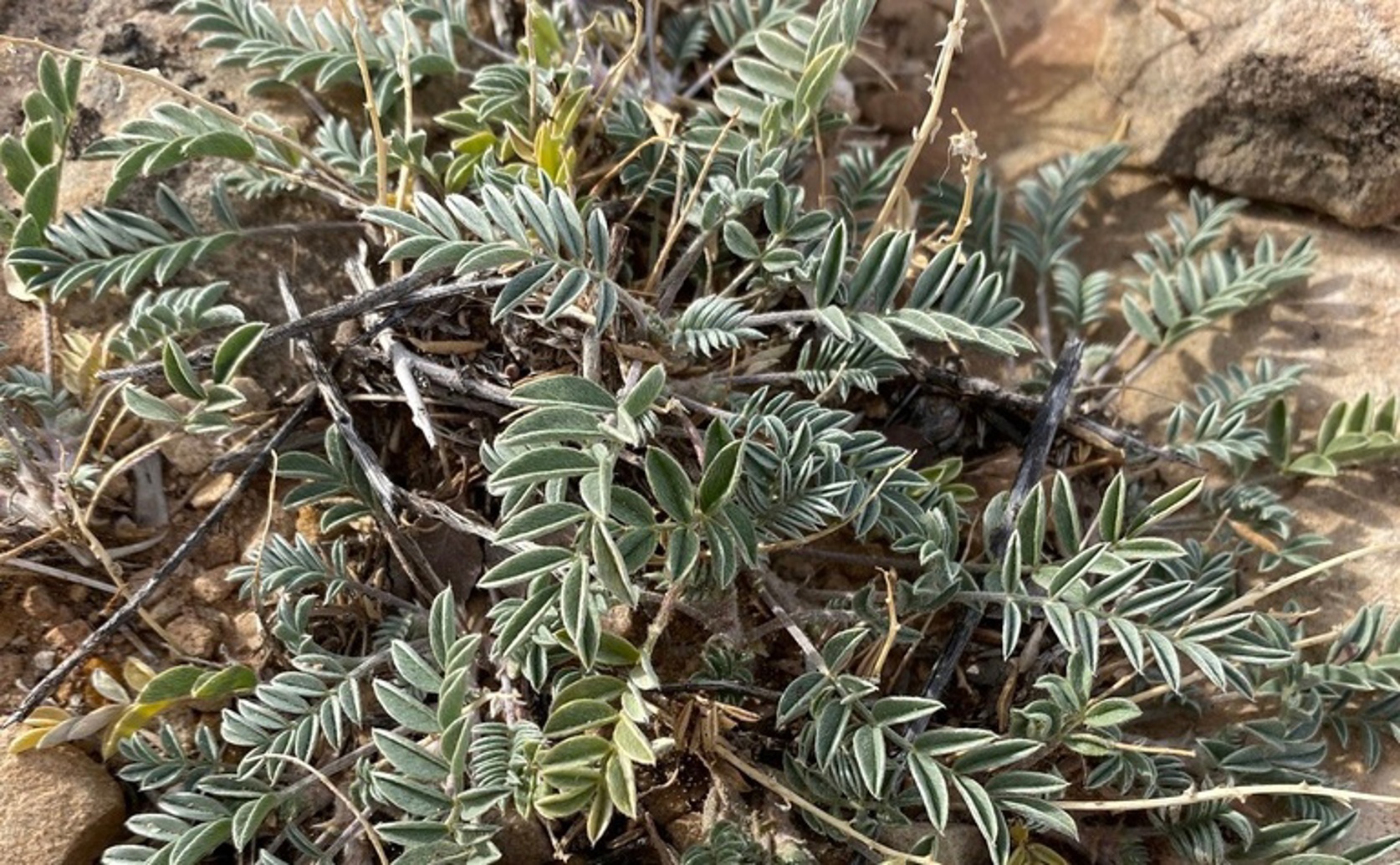
Astragalus

Photo adapted from: Elliott Gordon / CC BY (Source)

Key Findings

  • In a rat model of preeclampsia, treatment with Astragalus herb improved symptoms like high blood pressure and reduced protein in the urine
  • Astragalus treatment helped restore healthy blood vessel function and reduced oxidative damage in the rat model
  • Astragalus protected placental cells by regulating proteins involved in programmed cell death, suggesting a protective effect against cell loss
Preeclampsia (PE) is a serious health condition that develops during pregnancy, typically after 20 weeks, and poses significant risks to both the mother and the developing baby. It’s characterized by high blood pressure and signs of damage to other organs, most notably the kidneys. While the exact cause remains unknown, it's believed to originate with problems in the placenta[2]. This makes PE a particularly challenging condition, as any treatment must consider the well-being of both individuals. A recent study conducted by researchers at Shanxi Medical University[1] investigated the potential of Astragalus, a herb traditionally used in Chinese medicine, to alleviate preeclampsia-like symptoms. The researchers used a rat model of PE, induced by a substance called NG-nitro-L-arginine methyl ester (L-NAME). This method allows for controlled investigation of the disease process and potential treatments. The study focused on several key indicators of PE. These included blood pressure measurements, the amount of protein excreted in urine over a 24-hour period (proteinuria is a hallmark of PE), the number of surviving and resorbed (lost during pregnancy) fetuses, and measurements of the placenta itself – its size and weight. Crucially, the researchers also analyzed levels of specific proteins in the blood, placental growth factor (PLGF) and soluble fms-like tyrosine kinase-1 (sFlt-1). These proteins are increasingly recognized as important biomarkers in PE, with elevated sFlt-1 and reduced PLGF levels being associated with the disease[2][3]. Beyond these direct measurements, the researchers delved into the underlying biological mechanisms. They assessed oxidative damage – a process where harmful molecules damage cells – by measuring levels of malondialdehyde (MDA) and nitrite. They also looked at the activity of antioxidant enzymes, glutathione peroxidase (GSH-Px) and superoxide dismutase (SOD), which protect against oxidative stress. Finally, they examined the expression of genes involved in programmed cell death (apoptosis) – specifically B-cell lymphoma-2 (Bcl-2), Bcl-2-associated X protein (Bax), and caspase-3 – using sophisticated techniques like real-time quantitative PCR (RT-qPCR) and Western blot analysis. The results demonstrated that treatment with Astragalus significantly improved the symptoms of PE in the rat model. Blood pressure was reduced, proteinuria decreased, and more fetuses survived. The placenta also showed improved growth. These improvements were linked to a reduction in oxidative damage, suggesting that Astragalus possesses antioxidant properties. Furthermore, the researchers found that Astragalus treatment helped restore vascular endothelial function – the health of the blood vessel linings – and inhibited the activation of the Bcl-2/Bax/caspase-3 pathway, indicating a protective effect against cell death. Importantly, the herb showed no adverse effects on normal pregnant rats or their developing fetuses. These findings align with earlier research highlighting the role of abnormal placentation and angiogenic factors like sFLT1 in the development of preeclampsia[2]. The study builds upon this understanding by suggesting a potential therapeutic avenue – targeting oxidative stress and apoptosis – to mitigate the effects of the disease. The observation that Astragalus improved vascular endothelial function is also significant, as endothelial dysfunction is a key feature of the maternal syndrome of preeclampsia[2]. The retrospective study by researchers in Timișoara, Romania[3], found that women with pre-eclampsia had higher BMIs, family histories of related conditions, and lower socioeconomic levels, which may contribute to the disease's complexity. While the current study doesn't directly address these risk factors, it provides a potential intervention that could be particularly valuable for women identified as being at risk. The research also addresses a critical gap in PE treatment. Current therapies primarily focus on managing symptoms like high blood pressure and preventing seizures, but the only definitive cure remains delivery of the placenta[4]. This often necessitates premature delivery, with all the associated risks for the baby. The study by Shanxi Medical University suggests that Astragalus could offer a novel approach to treating PE, potentially delaying the need for premature delivery and improving both maternal and fetal outcomes. The fact that it has no adverse effects on normal pregnancies is also a significant advantage.

HerbsMedicineHealth

References

Main Study

1) The protective influence of Astragalus on rat models of preeclampsia

Published 12th December, 2025

https://doi.org/10.1371/journal.pone.0337583


Related Studies

2) Preeclampsia: Pathophysiology, Challenges, and Perspectives.

https://doi.org/10.1161/CIRCRESAHA.118.313276


3) Health Impacts of Pre-eclampsia: A Comprehensive Analysis of Maternal and Neonatal Outcomes.

https://doi.org/10.3390/medicina60091486


Related Articles

An unhandled error has occurred. Reload 🗙