
Social interaction boosts brain connections linked to bonding in female voles
Jim Crocker
4th November, 2025


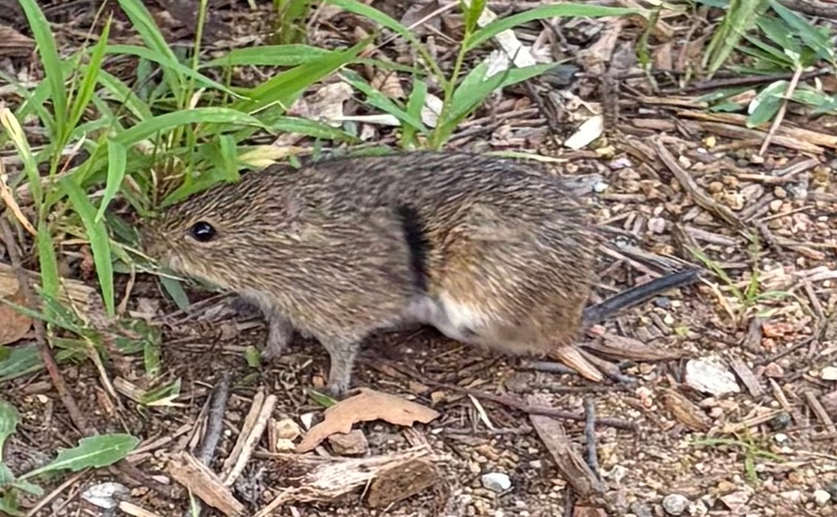
Key Findings
- Prairie vole brains in both social exposure and mating groups showed increased spine density in the nucleus accumbens, a brain region linked to reward
- Simply encountering a male vole led to growth of neuron branches, while mating triggered more complex changes in spine types within the nucleus accumbens
- These brain changes, particularly increased spine density, may be an early step in forming social bonds, with mating potentially strengthening these connections
EcologyAnimal ScienceEvolution
References
Main Study
1) Social experience and social cohabitation with mating promote spinogenesis in the nucleus accumbens of adult female prairie voles (Microtus ochrogaster)
Published 3rd November, 2025
https://doi.org/10.1371/journal.pone.0335626
Related Studies
2) The Neurobiology of Love and Pair Bonding from Human and Animal Perspectives.
3) A gender-specific mechanism for pair bonding: oxytocin and partner preference formation in monogamous voles.
Journal: Behavioral neuroscience, Issue: Vol 109, Issue 4, Aug 1995
4) κ-Opioid receptors within the nucleus accumbens shell mediate pair bond maintenance.
Related Articles
 18th March, 2025 | Jenn Hoskins