How Plastic and Seaweed Shelters Affect Skin Bacteria in Cleaner Fish

Jenn Hoskins
4th September, 2025

How Plastic and Seaweed Shelters Affect Skin Bacteria in Cleaner Fish

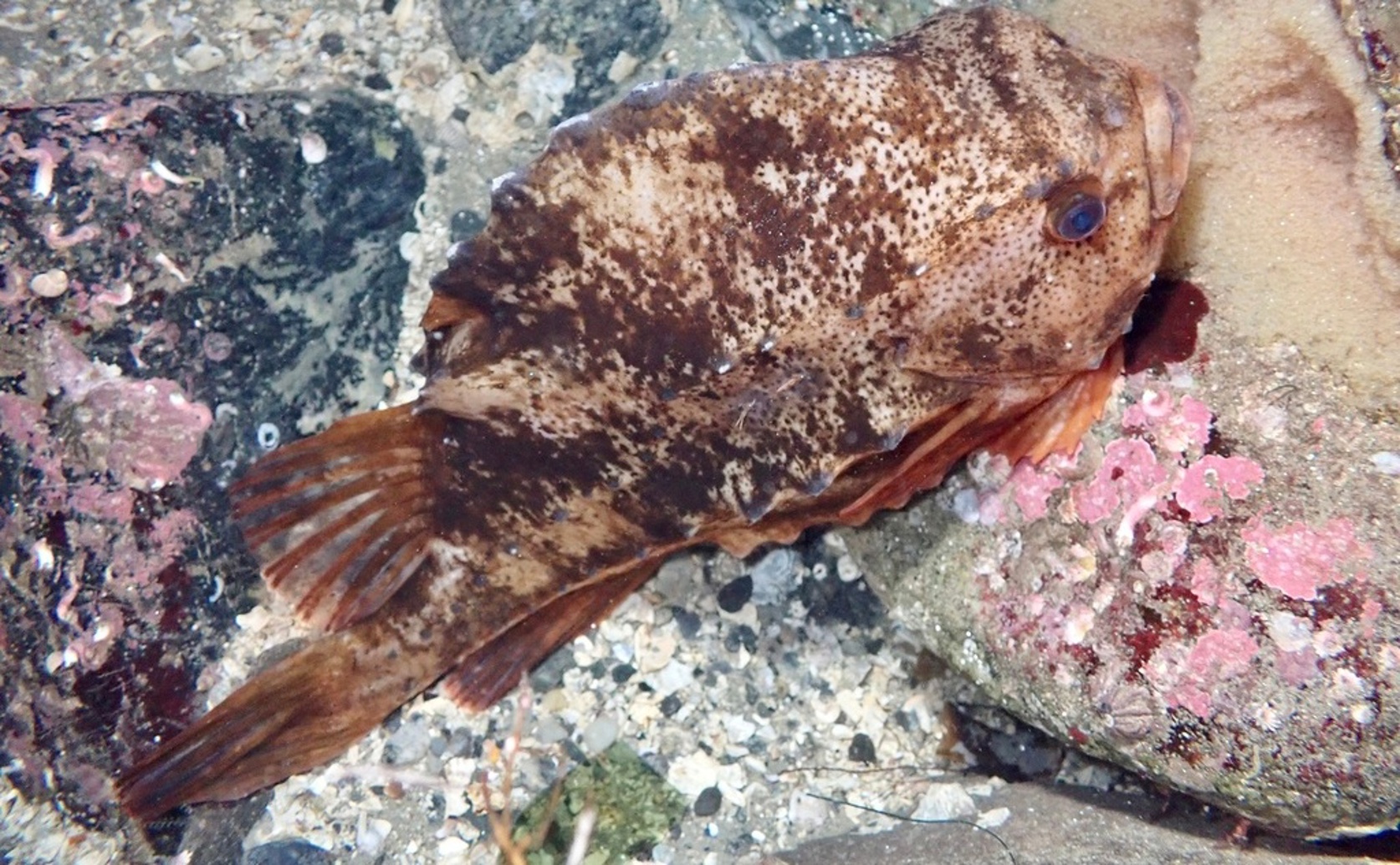
Lumpfish (Cyclopterus lumpus)

Photo adapted from: Vsevolod Rudyi / CC BY (Source)

Key Findings

  • In the Faroe Islands study, lumpfish living near plastic shelters had more diverse skin bacteria than those near seaweed shelters
  • Lumpfish near plastic shelters hosted a higher proportion of potentially harmful bacteria on their skin compared to those near seaweed shelters
  • Seaweed shelters fostered a skin microbiome with more beneficial bacteria, specifically Psychrobacter, which is known for probiotic effects
Atlantic salmon farming is a significant global industry, but it faces ongoing challenges from sea lice infestations – parasitic copepods that attach to the fish and cause damage[1]. Controlling these lice is difficult; traditional methods like chemical treatments can negatively impact both the salmon’s health and the surrounding environment. Cleaner fish, specifically lumpfish, have emerged as a more sustainable alternative, acting as a natural form of pest control. However, lumpfish themselves often struggle to thrive in salmon farms, experiencing high mortality rates and welfare concerns. Researchers at Hokkaido University recently investigated whether the type of shelter provided to lumpfish could influence their health, specifically by examining the bacteria living on their skin and gills. Lumpfish naturally seek refuge, and providing shelters is a common practice in salmon farms. While plastic shelters are widely used, seaweed shelters are gaining popularity as a more natural option. The core question was whether these different shelter types impacted the bacterial communities on the lumpfish, and if so, whether this correlated with their wellbeing. The skin of a fish isn’t just a protective barrier; it’s also home to a complex community of microorganisms – bacteria, archaea, and other microbes – known as the skin microbiome[2][3]. This microbiome plays a crucial role in the fish’s health, potentially protecting against pathogens and contributing to overall immune function. In farmed salmon, disruptions to the skin microbiome are thought to increase susceptibility to disease. Indeed, studies have shown that handling and transfer can significantly alter the bacterial composition on the skin[3]. In this study, lumpfish were sampled from commercial salmon farms, comparing those living with plastic shelters to those with seaweed shelters over a three-month period. Using a technique called 16S rRNA gene amplicon sequencing, the researchers identified and quantified the different types of bacteria present on the fish’s skin and gills. This method focuses on a specific gene found in all bacteria, allowing scientists to determine which species are present and their relative abundance. The results revealed a clear difference in the bacterial communities found on fish associated with each shelter type. Critically, lumpfish living with seaweed shelters had fewer potentially harmful bacteria on their skin compared to those with plastic shelters. This suggests that the seaweed shelters may be fostering a more beneficial microbial environment. This finding builds on earlier research demonstrating the economic costs associated with salmon lice treatments[4]. These costs aren’t simply financial; treatments often cause stress, reduced growth, and increased mortality in salmon. Preventing or improving treatment methods, or finding alternatives like cleaner fish, can be economically beneficial, especially when considering the biological impact of these treatments. The current study adds to this understanding by suggesting a potential method – seaweed shelters – for improving the health of cleaner fish themselves, which could reduce the need for interventions and further minimize these biological costs. While the study found differences in the skin microbiome, it didn’t detect any noticeable differences in the welfare of the lumpfish themselves during the sampling period. This doesn’t negate the findings; changes in the microbiome may not immediately manifest as observable welfare issues. It’s possible that the differences in bacterial communities would become more apparent under stressful conditions, such as during disease outbreaks or periods of poor water quality. Further research is needed to investigate this potential link, and to fully understand the implications of these microbiome differences for lumpfish health and resilience. The study also noted limited correlation between the bacteria on the fish skin and those in the surrounding water, highlighting that the microbiome is not simply a reflection of the environment, but a complex community influenced by various factors. This is consistent with findings that show variability in the skin microbiome even before handling, suggesting that each fish has its own unique microbial signature[3].

EcologyMarine Biology

References

Main Study

1) Effect of plastic and seaweed shelters on the skin microbiome of lumpfish Cyclopterus lumpus used as cleaner fish in aquaculture pens

Published 3rd September, 2025

https://doi.org/10.1371/journal.pone.0322261


Related Studies

2) The skin microbiome of vertebrates.

https://doi.org/10.1186/s40168-019-0694-6


3) The Skin-Mucus Microbial Community of Farmed Atlantic Salmon (Salmo salar).

https://doi.org/10.3389/fmicb.2017.02043


4) The economic impact of decreased mortality and increased growth associated with preventing, replacing or improving current methods for delousing farmed Atlantic salmon in Norway.

https://doi.org/10.1016/j.prevetmed.2023.106062


Related Articles

An unhandled error has occurred. Reload 🗙