
Understanding Genetic Diversity For Silk
Jim Crocker
12th August, 2025


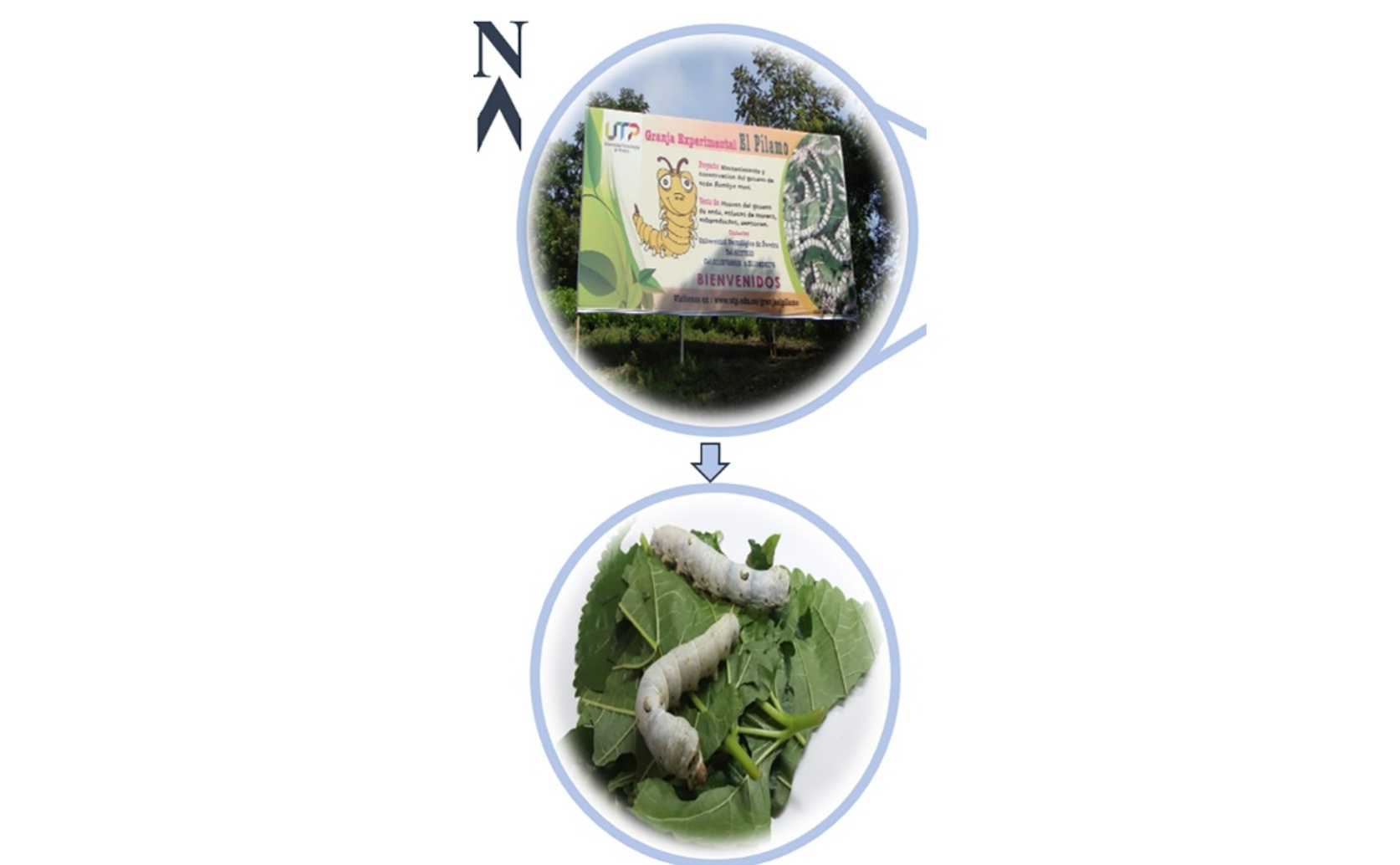
The geographical location of the "El Pílamo" experimental station and the representative Pílamo II hybrid illustrate the source and nature of the Colombian silkworm (Bombyx mori) germplasm, which was evaluated to establish a baseline for future genetic improvement and conservation programs.
Key Findings
- The study in Colombia found that silkworm lines possess significant genetic diversity, with most variation occurring within individual populations
- While commercial silkworm lines are genetically similar, those from the ICA and unknown origins are more diverse and stable, making them valuable for future breeding
- Combining physical traits and genetic markers helps classify silkworms, identifying promising lines for improving silk production and conservation efforts
References
Main Study
1) Genetic and morphological variation in the Colombian Bombyx mori germplasm: A first SSR-based assessment
Published 11th August, 2025
https://doi.org/10.1371/journal.pone.0330183
Related Studies
2) Role of microsatellites in genetic analysis of Bombyx mori silkworm: a review.
3) Complete resequencing of 40 genomes reveals domestication events and genes in silkworm (Bombyx).
4) Differential sensitivity to infections and antimicrobial peptide-mediated immune response in four silkworm strains with different geographical origin.
Related Articles
 3rd July, 2024 | Greg Howard