Bacteria Types and Antibiotic Resistance in UTIs Among Older Adults

Greg Howard
19th May, 2025

Bacteria Types and Antibiotic Resistance in UTIs Among Older Adults

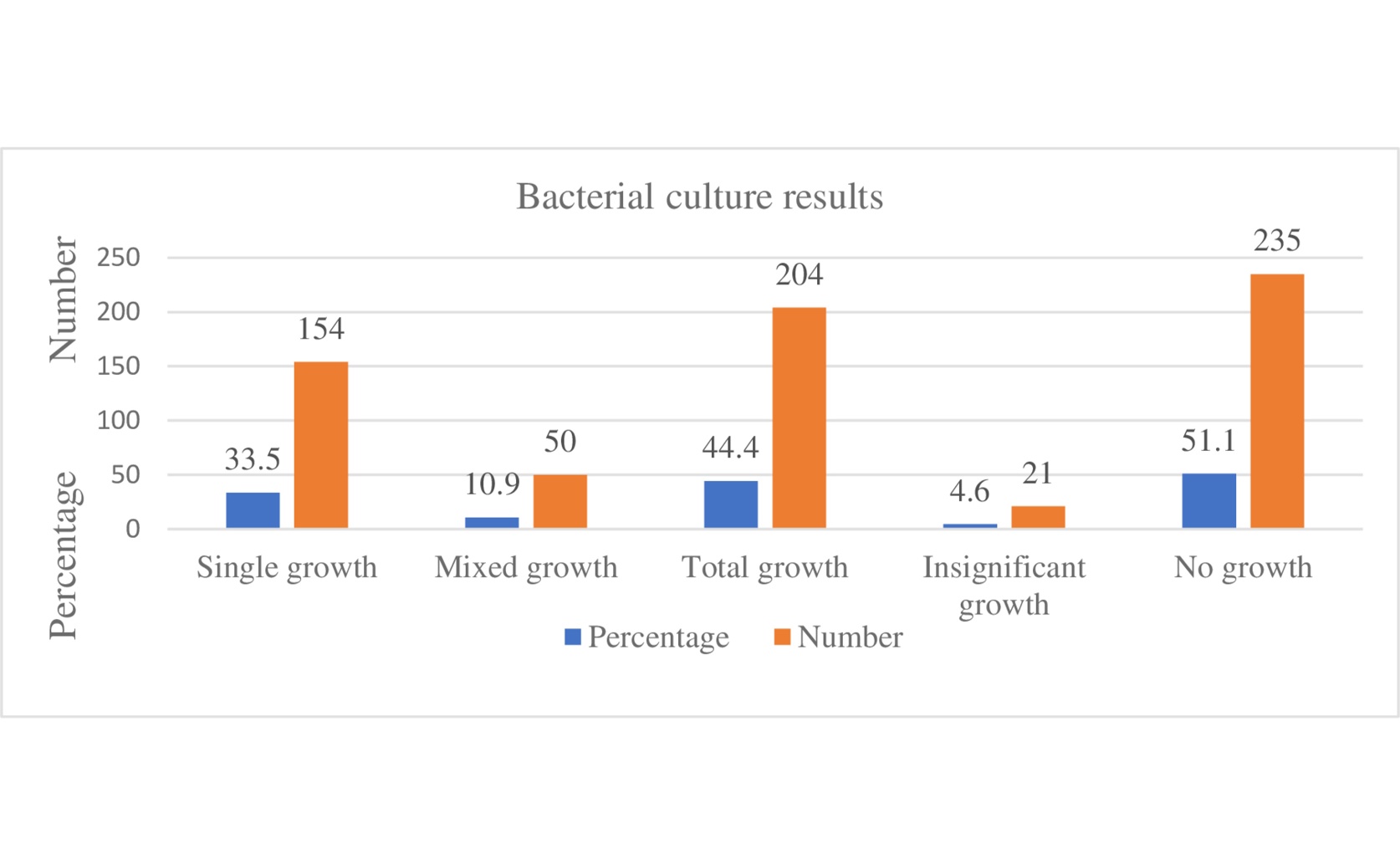
Urine culture analysis demonstrated significant bacterial growth in 44.4% of samples from geriatric patients, with the isolated uropathogens being predominantly Gram-negative bacteria (81.1%) compared to Gram-positive species.

Image adapted from: Alebachew et al. / CC BY (Source)

Key Findings

  • In Ethiopia, nearly half of elderly patients had urinary tract infections, with 50% in hospitals and 38.7% in the community
  • E. coli was the main bacteria causing these infections, accounting for over a third of cases
  • Most bacteria were resistant to common antibiotics, but piperacillin-tazobactam was still 100% effective
Urinary tract infections (UTIs) are a significant health concern, particularly among the elderly population. These infections can lead to severe complications if not properly managed, making it crucial to understand their prevalence and the effectiveness of treatments available. A recent study conducted by the University of Gondar in Ethiopia[1] sheds light on the current state of UTIs in geriatric patients, both in community settings and hospitals. The study involved 460 elderly individuals suspected of having UTIs, either admitted to the University of Gondar Comprehensive Specialized Hospital or attending local geriatrics support centers. The researchers aimed to determine how widespread UTIs are in this demographic and to identify which bacteria are most commonly responsible. Additionally, they assessed how these bacteria respond to various antibiotics, a critical factor given the rising issue of antibiotic resistance. Findings from the study revealed that 44.4% of the participants had a UTI. When broken down, 38.7% of community-dwelling elderly individuals and 50% of those hospitalized were affected. This high prevalence underscores the vulnerability of older adults to UTIs, aligning with previous research that highlights UTIs as the second most frequent infection in the elderly after respiratory infections[2]. Escherichia coli (E. coli) was identified as the most common bacterial culprit, accounting for 38.6% of infections. This is consistent with other studies, such as one conducted at Pawe General Hospital in Ethiopia, where E. coli was also the predominant uropathogen[2], and a study in Italy where E. coli represented 53.5% of UTI cases[3]. Following E. coli, other bacteria like Klebsiella spp., S. saprophyticus, and P. mirabilis were also significant contributors to UTIs in the elderly. A critical aspect of the study was examining how these bacteria respond to antibiotics. The results were concerning, revealing high resistance rates to many commonly used antibiotics. For instance, resistance to nalidixic acid ranged from 50% to 100% in both community and hospitalized patients. However, the antibiotic piperacillin-tazobactam showed universal effectiveness, with 100% susceptibility in both groups. This finding is particularly important as it highlights potential treatment options in the face of widespread resistance. The high rate of antibiotic resistance observed in this study mirrors findings from other research. At Pawe General Hospital, high resistance rates were noted against drugs like amoxicillin-clavulanic acid and tetracycline[2], while a study in the University Hospital of Campania in Italy found Gram-negative bacteria highly resistant to ampicillin[3]. Similarly, research on catheter-associated UTIs in Southern Ethiopia reported significant resistance to commonly used antibiotics, reinforcing the global challenge of managing antibiotic-resistant infections[4]. Moreover, the study emphasized the importance of routine bacterial culture and antimicrobial susceptibility testing. By regularly monitoring which bacteria are causing infections and how they respond to antibiotics, healthcare providers can make more informed decisions about treatment strategies. This approach is essential for combating the growing threat of antibiotic resistance, as demonstrated by the declining effectiveness of drugs like fluoroquinolones in previous studies[5]. The University of Gondar’s study also highlighted the need for continuous surveillance systems and health education tailored to the transmission and causes of UTIs. Educating both healthcare workers and patients can play a pivotal role in preventing infections and ensuring timely and effective treatment when infections do occur. In conclusion, the high prevalence of UTIs among the elderly, coupled with the alarming rates of antibiotic resistance, presents a significant challenge for healthcare systems. Studies like the one conducted by the University of Gondar are crucial in providing the necessary data to address these issues effectively. By understanding the current landscape of UTI pathogens and their resistance patterns, healthcare providers can better manage infections, improve patient outcomes, and work towards mitigating the impact of antibiotic-resistant bacteria.

MedicineHealth

References

Main Study

1) Bacterial profile and antimicrobial susceptibility pattern of community and hospital-acquired urinary tract infections among UTI suspected geriatrics in Gondar town, Northwest Ethiopia

Published 16th May, 2025

https://doi.org/10.1371/journal.pone.0323570


Related Studies

2) The Bacterial Profile and Antimicrobial Susceptibility Patterns of Urinary Tract Infection Patients at Pawe General Hospital, Northwest Ethiopia.

https://doi.org/10.1155/2022/3085950


3) Prevalence and Antimicrobial Susceptibility Patterns of Bacterial Pathogens in Urinary Tract Infections in University Hospital of Campania "Luigi Vanvitelli" between 2017 and 2018.

https://doi.org/10.3390/antibiotics9050215


4) Catheter-Associated Urinary Tract Infection: Incidence, Associated Factors and Drug Resistance Patterns of Bacterial Isolates in Southern Ethiopia.

https://doi.org/10.2147/IDR.S311229


5) Microbiology and Drug Resistance of Pathogens in Patients Hospitalized at the Nephrology Department in the South of Poland.

https://doi.org/10.21307/pjm-2018-061


Related Articles

An unhandled error has occurred. Reload 🗙