Combined Magnetic Water and Mulch Improve Crop and Soil Moisture and Salt Levels

Jim Crocker
9th May, 2025

Combined Magnetic Water and Mulch Improve Crop and Soil Moisture and Salt Levels
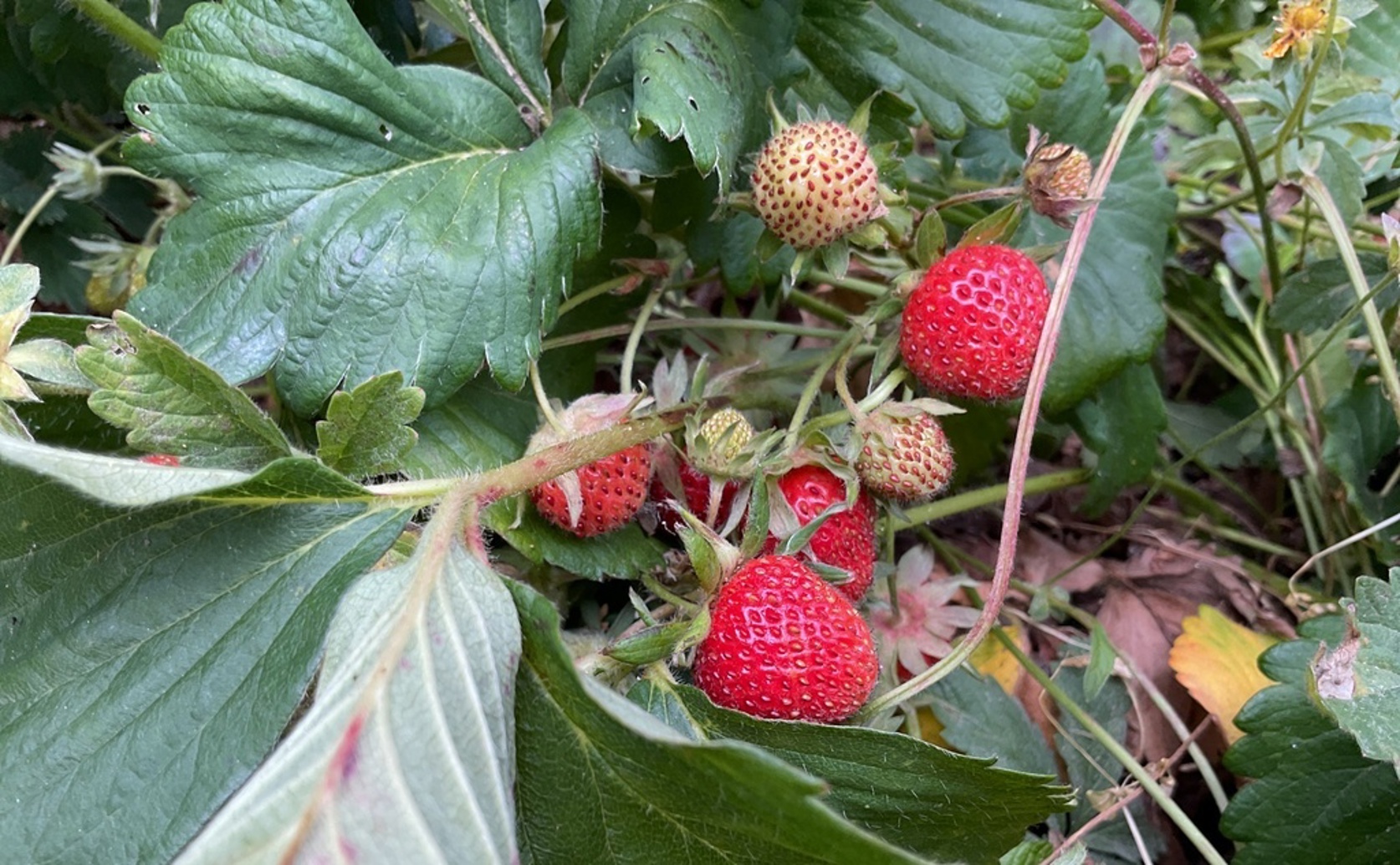
Garden strawberry (Fragaria × ananassa)

Key Findings

  • In Egypt, treating salty irrigation water with magnets boosted strawberry yields by nearly 27%
  • Using rice straw mulch was as effective as plastic mulches in enhancing strawberry growth and productivity
  • Combining magnetic water treatment and rice straw mulch increased yields by up to 41%, promoting sustainable farming
Freshwater scarcity is a growing global concern, exacerbated by climate change, urbanization, and agricultural activities that increase water demand and pollution[2]. As clean water becomes more limited, farmers are increasingly relying on lower quality water sources for irrigation. Brackish water, which contains higher levels of salts, poses a significant challenge by potentially increasing soil salinity and reducing crop yields. Addressing this issue is crucial for maintaining food security and sustainable agricultural practices. A recent study conducted by Benha University, Egypt[1] explores innovative methods to mitigate the negative impacts of using brackish water for irrigation in strawberry cultivation. The research focuses on two main strategies: magnetic treatment of brackish water and the use of different soil mulches. The study was carried out over two consecutive growing seasons and assessed the effects of these treatments on strawberry growth, productivity, and soil moisture-salinity distribution. Magnetic water treatment (MWT) involves passing water through a magnetic field, which can alter the physical and chemical properties of the water. In this study, three types of irrigation water were used: tap water (W1), untreated brackish water (W2), and magnetically treated brackish water (W3). Additionally, four types of soil mulches were evaluated: two rates of rice straw mulch (3 t ha−1 [M1] and 5 t ha−1 [M2]), white polyethylene plastic mulch (M3), and black polyethylene plastic mulch (M4), compared to bare soil (M0). The results of the study indicated that both MWT and soil mulching significantly enhanced strawberry crop growth and productivity. Specifically, strawberries irrigated with magnetically treated brackish water (W3) showed a 26.7% increase in marketable yield and an 18.6% increase in water productivity over the two growing seasons compared to those irrigated with untreated water (W2). Moreover, MWT effectively reduced soil salinity by 17.8% compared to untreated brackish water, making the salinity levels similar to those observed with tap water (W1). Soil salinization, the accumulation of salts in the soil, is a major threat to agricultural productivity and ecosystem health[3]. Excessive salinity can lead to soil dispersion, waterlogging, desertification, and reduced biodiversity, which in turn affect crop yields and food quality. The study by Benha University addresses this problem by demonstrating that MWT can mitigate soil salinization, thereby supporting sustainable agricultural practices even in regions reliant on brackish water. In addition to water treatment, the study examined the effectiveness of different soil mulches. Plastic mulches, commonly used in agriculture, have been criticized for their contribution to microplastic pollution in farmlands[4]. These plastics can degrade into small particles that persist in the soil, affecting its physical, chemical, and biological properties, and ultimately reducing crop productivity. The study found that using rice straw mulch, a biodegradable alternative, was as effective as plastic mulch in enhancing strawberry yields. Specifically, rice straw mulch applied at a rate of 5 t ha−1 (M2) performed comparably to black polyethylene plastic mulch (M4) in most of the studied traits across both growing seasons. The integration of MWT and rice straw mulch at a higher application rate (W3M2) resulted in a substantial increase in marketable yield—32.6% compared to brackish water irrigation alone (W2M0) and 40.9% compared to bare soil conditions. This combination not only improves crop productivity but also promotes sustainable farming by reducing reliance on non-biodegradable plastics, thereby addressing the concerns associated with microplastic pollution in agroecosystems[4]. The methods used in this study involved comparing different irrigation water treatments and soil mulch types under controlled conditions. By measuring parameters such as crop yield, water productivity, and soil salinity, the researchers were able to quantify the benefits of MWT and rice straw mulch. The findings highlight the potential of these practices to enhance agricultural resilience in the face of water scarcity and soil degradation. Furthermore, this study builds on previous research that emphasizes the importance of addressing water quality alongside water quantity in managing water scarcity[2]. By incorporating both MWT and sustainable mulching practices, the research provides a comprehensive approach to improving water use efficiency and soil health. This aligns with the urgent need for integrated water management policies that consider both the availability and quality of water resources to achieve Sustainable Development Goals. In conclusion, the study from Benha University offers valuable insights into sustainable agricultural practices that can mitigate the challenges of freshwater scarcity and soil salinization. By leveraging magnetic water treatment and biodegradable mulches, farmers can enhance crop yields, improve water productivity, and maintain soil health, thereby contributing to food security and environmental sustainability.

AgricultureEnvironmentPlant Science

References

Main Study

1) Synergistic effects of magnetic water treatment and mulching on crop and soil moisture-salinity distribution

Published 6th May, 2025

https://doi.org/10.1038/s41598-025-98802-6


Related Studies

2) A triple increase in global river basins with water scarcity due to future pollution.

https://doi.org/10.1038/s41467-024-44947-3


3) Environmental salinization processes: Detection, implications & solutions.

https://doi.org/10.1016/j.scitotenv.2020.142432


4) Impact of plastic mulching as a major source of microplastics in agroecosystems.

https://doi.org/10.1016/j.jhazmat.2022.130455


Related Articles

An unhandled error has occurred. Reload 🗙