Creating Tasty Biscuits with Recycled Tomato Paste Using a Special Method

Jim Crocker
21st February, 2025

Creating Tasty Biscuits with Recycled Tomato Paste Using a Special Method

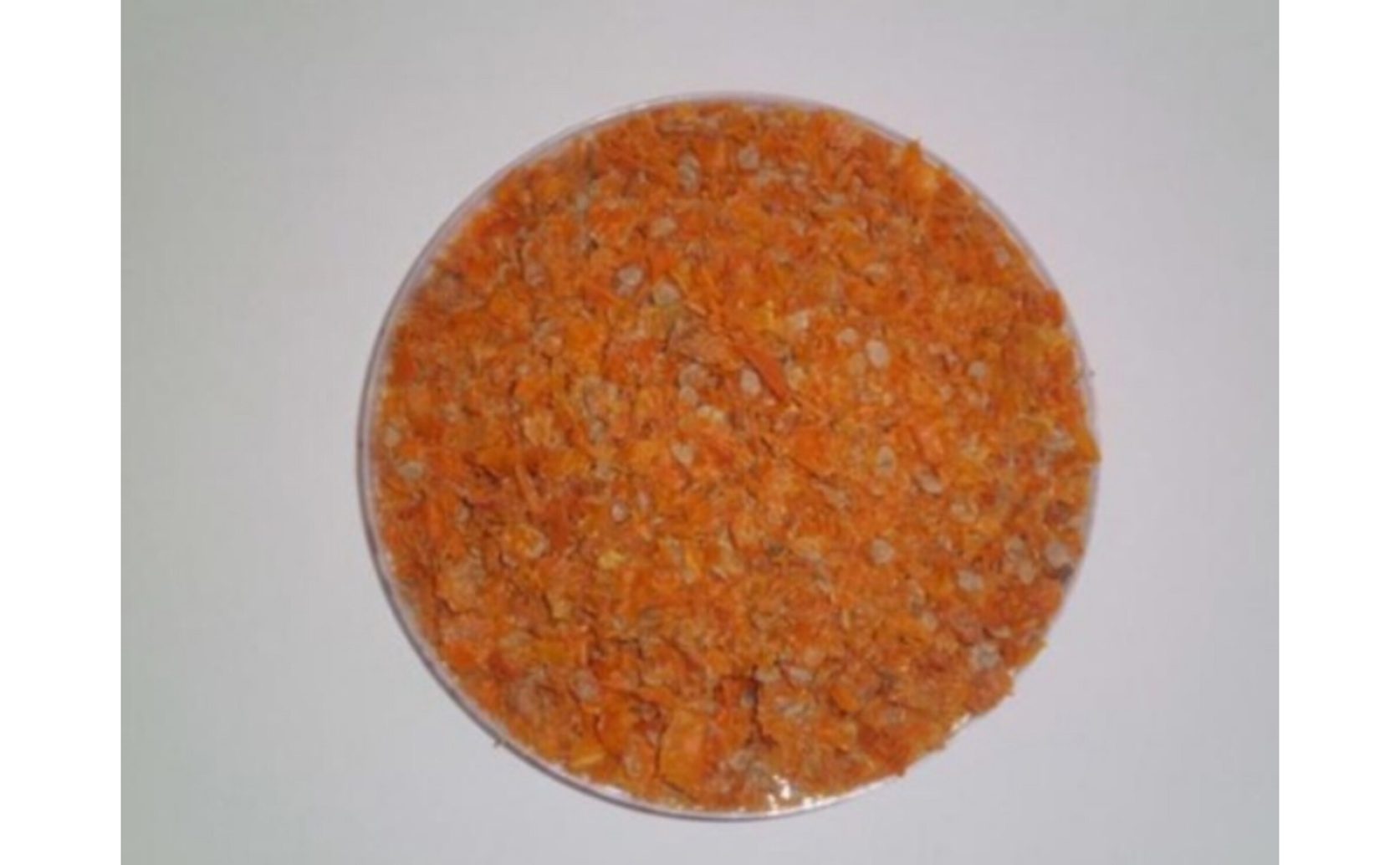
Tomato paste waste.

Image adapted from: Capraz et al. / CC BY (Source)

Key Findings

  • In Denizli, Turkey, adding 12% tomato paste waste to biscuits boosts their nutrition without altering taste
  • These biscuits contain more protein, fiber, and antioxidants like lycopene and β-carotene, enhancing health benefits
  • Using tomato waste reduces environmental pollution and promotes sustainable food production
Tomato paste production generates a significant amount of waste, primarily consisting of tomato peel and seeds. Instead of discarding these by-products, researchers at Pamukkale University in Denizli, Turkey, explored their potential as valuable ingredients in food products. This approach not only addresses environmental concerns but also enhances the nutritional profile of everyday foods. In their recent study, the team investigated the use of tomato paste production waste powder (TPWP) in biscuit making. They incorporated TPWP at varying levels—0% (control), 6% (TPW6), 12% (TPW12), and 18% (TPW18)—to determine its effects on the biscuits' chemical, physical, and sensory properties[1]. The choice to use TPWP builds on earlier research that demonstrated the benefits of tomato by-products in other food items. For instance, adding tomato peel to sausages enriched them with lycopene without compromising taste or texture[2], and incorporating tomato pomace into bread and muffins increased their dietary fiber and antioxidant levels while extending shelf life[3]. The study found that as the amount of TPWP increased, so did the protein, fat, ash, and total dietary fiber in the biscuits. Additionally, essential minerals such as phosphorus, potassium, calcium, magnesium, and manganese were present in higher quantities. The inclusion of TPWP also boosted the levels of bioactive compounds like total phenolics, lycopene, and β-carotene, which are known for their antioxidant properties[4]. These nutrients play a crucial role in maintaining health by combating oxidative stress and reducing the risk of chronic diseases. From a physical standpoint, the color of the biscuits became darker and more reddish as TPWP content increased, which was expected due to the natural pigments in the tomato by-products. Despite these changes, biscuits with up to 12% TPWP maintained similar scores to the control in terms of color, odor, hardness, and chewiness during sensory evaluations. However, higher TPWP levels led to a noticeable decrease in overall acceptability and taste, indicating a threshold for optimal inclusion. To determine the best formulation, the researchers employed the integrated AHP-TOPSIS method, a decision-making tool that evaluates multiple criteria simultaneously. This analysis revealed that the 12% TPWP addition (TPW12) struck the best balance between enhancing nutritional content and maintaining desirable sensory properties. Compared to the control, TPW12 biscuits had over two times the dietary fiber, more than five times the total phenolic content, and a 13.6-fold increase in antioxidant activity. Moreover, lycopene and β-carotene, which were absent in the control biscuits, were present in significant amounts in TPW12. These findings align with previous studies that highlighted the nutritional benefits of tomato by-products. For example, tomato seeds are rich in bioactive compounds and have been shown to possess antioxidant, anticancer, and antimicrobial properties[4]. Similarly, adding tomato pomace to baked goods not only enhanced their nutritional value but also improved their shelf life by inhibiting microbial growth[3]. The current study extends this body of knowledge by demonstrating that TPWP can be effectively used in biscuits, offering a practical solution to reduce waste and enhance food products. The use of TPWP in biscuits presents several advantages. It leverages the high nutritional value of tomato waste, transforming it into a functional food ingredient that contributes to a healthier diet. Furthermore, this utilization supports the tomato processing industry by improving its economic feasibility and reducing environmental pollution caused by waste disposal[4]. By integrating TPWP into common food items like biscuits, consumers can benefit from increased intake of essential nutrients such as dietary fiber, lycopene, and β-carotene, which are important for various bodily functions, including eye health and immune support. However, the study also highlights the importance of balancing nutritional enhancement with consumer preferences. While up to 12% TPWP can be added without negatively impacting taste and texture, higher levels may lead to decreased acceptability. This suggests that careful formulation is necessary to maximize health benefits while ensuring that the final product remains appealing to consumers. Overall, the research conducted by Pamukkale University demonstrates the potential of tomato paste production waste as a valuable food ingredient. By incorporating TPWP into biscuits, the study not only provides a sustainable way to manage agricultural waste but also contributes to the development of nutritionally enhanced food products. This approach exemplifies how innovative use of by-products can lead to healthier diets and more sustainable food systems.

VegetablesNutrition

References

Main Study

1) Development of Biscuit Formulation Enriched With Tomato Paste Waste Using Integrated AHP-TOPSIS Method.

Published 20th February, 2025

https://doi.org/10.1002/fsn3.70051


Related Studies

2) Dry fermented sausages enriched with lycopene from tomato peel.

https://doi.org/10.1016/j.meatsci.2007.11.016


3) Tomato processing byproduct valorization in bread and muffin: improvement in physicochemical properties and shelf life stability.

https://doi.org/10.1007/s13197-018-3176-0


4) Tomato (Solanum lycopersicum L.) seed: A review on bioactives and biomedical activities.

https://doi.org/10.1016/j.biopha.2021.112018


Related Articles

An unhandled error has occurred. Reload 🗙