How Apple Pomace in Diets Affects Jumbo Quail Health

Greg Howard
27th November, 2024

How Apple Pomace in Diets Affects Jumbo Quail Health

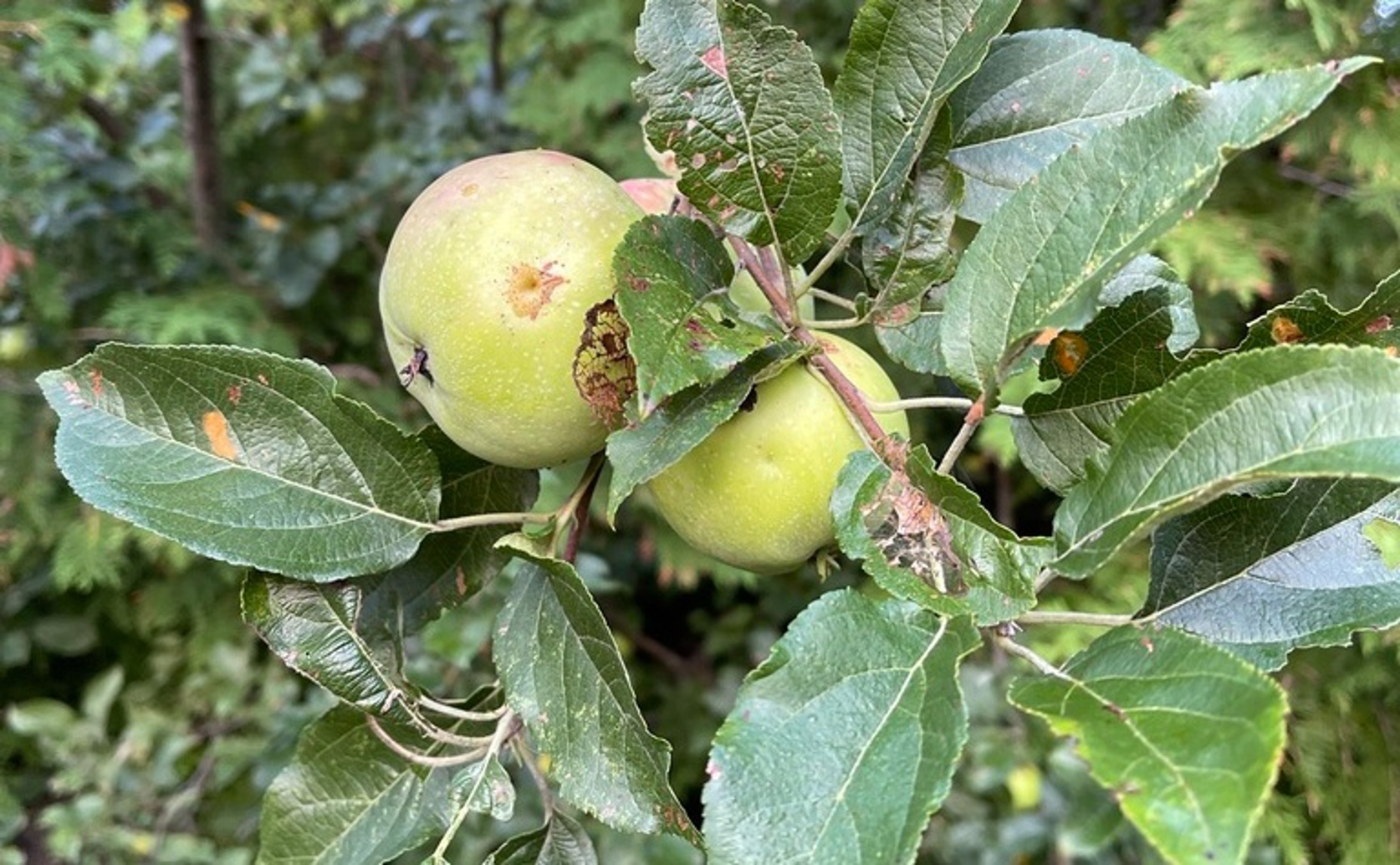
Apple (Malus domestica)

Photo adapted from: Brandon Corder / CC BY (Source)

Key Findings

  • The study by North-West University, South Africa, explored the effects of apple pomace powder (APP) on Jumbo quail
  • APP inclusion in the diet decreased feed intake and body weight gain initially but showed potential for stabilization at certain levels
  • Optimal APP levels (50-75 grams per kilogram) maximized feed efficiency and final body weight without compromising blood and meat quality
The increasing global population and the consequent demand for poultry products have challenged researchers to find sustainable and cost-effective feed alternatives. One promising solution is the use of apple pomace powder (APP), a by-product of the apple juice industry, which could reduce agro-waste and promote sustainable poultry production. A recent study conducted by North-West University, South Africa, explored the effects of APP on the performance, blood parameters, and meat quality of Jumbo quail[1]. The study involved 350 seven-day-old Jumbo quail, which were divided into five dietary groups with varying levels of APP: 0, 25, 50, 75, and 100 grams per kilogram of diet. Each group had seven replicates of ten birds each. The researchers aimed to determine the optimal amount of APP that could be included in the quail's diet without compromising their growth and health. The findings revealed that APP inclusion had a significant impact on the birds' feed intake, body weight gain, and feed efficiency. Specifically, feed intake decreased during the second and third weeks as APP levels increased, showing a negative quadratic effect. Body weight gain and gain-to-feed ratio also decreased linearly during the second, third, and fourth weeks, but responded quadratically in the fifth week. This suggests that while higher levels of APP might initially hinder growth, there could be a balance point where performance stabilizes. Blood parameters such as platelets, heterophils, lymphocytes, and serum phosphorus and calcium also exhibited linear or quadratic responses to increasing APP levels. These findings align with earlier research that highlighted the beneficial effects of fruit pomaces on blood chemistry and redox status in broilers[2]. The study showed that fruit pomaces, including apple pomace, could lower triglycerides and creatinine levels while improving antioxidant parameters in serum, liver, and breast muscle of broiler chickens. In terms of meat quality, increasing APP levels resulted in reduced carcass performance and changes in meat color parameters. Specifically, 24-hour breast meat redness and chroma values decreased, while 1-hour yellowness and 24-hour lightness increased. Despite these changes, the study found that feed efficiency and final body weight were maximized when APP levels were between 50 and 75 grams per kilogram of diet, without compromising blood and meat quality parameters. This study provides valuable insights into the potential benefits and limitations of using APP in poultry diets. It supports the notion that fruit pomaces, such as APP, can serve as effective feed ingredients, as previously suggested[3]. The use of fruit pomaces in poultry nutrition not only offers a cost-effective alternative to conventional feedstuffs but also addresses environmental concerns by reducing agro-waste. Moreover, the study contributes to the ongoing search for non-antibiotic alternatives in poultry production. The rich phytochemical profile and nutritional composition of fruit pomaces make them suitable substitutes for antibiotics, which are increasingly scrutinized due to public health concerns[3]. By incorporating APP into poultry diets, farmers can enhance the sustainability of their operations while potentially improving the health and productivity of their flocks. In conclusion, the research conducted by North-West University demonstrates that APP can be a viable feed ingredient for Jumbo quail, optimizing growth and feed efficiency at specific inclusion levels without negatively affecting blood and meat quality. This aligns with previous findings on the benefits of fruit pomaces in poultry nutrition and highlights the potential for broader application in the industry. As the demand for sustainable and cost-effective poultry production continues to grow, such studies pave the way for innovative solutions that benefit both the environment and the agricultural sector.

NutritionFitness And DietAnimal Science

References

Main Study

1) Jumbo quail responses to diets containing incremental levels of apple (Malus domestica Borkh) pomace.

Published 26th November, 2024

https://doi.org/10.1007/s11250-024-04240-3


Related Studies

2) Effects of Feeding Dried Fruit Pomaces as Additional Fibre-Phenolic Compound on Meat Quality, Blood Chemistry and Redox Status of Broilers.

https://doi.org/10.3390/ani10111968


3) Fruit pomaces-their nutrient and bioactive components, effects on growth and health of poultry species, and possible optimization techniques.

https://doi.org/10.1016/j.aninu.2021.11.011


Related Articles

An unhandled error has occurred. Reload 🗙