Extracting Health Benefits from Mangosteen Peels Using a Step-by-Step Process

Jenn Hoskins
27th October, 2024

Extracting Health Benefits from Mangosteen Peels Using a Step-by-Step Process

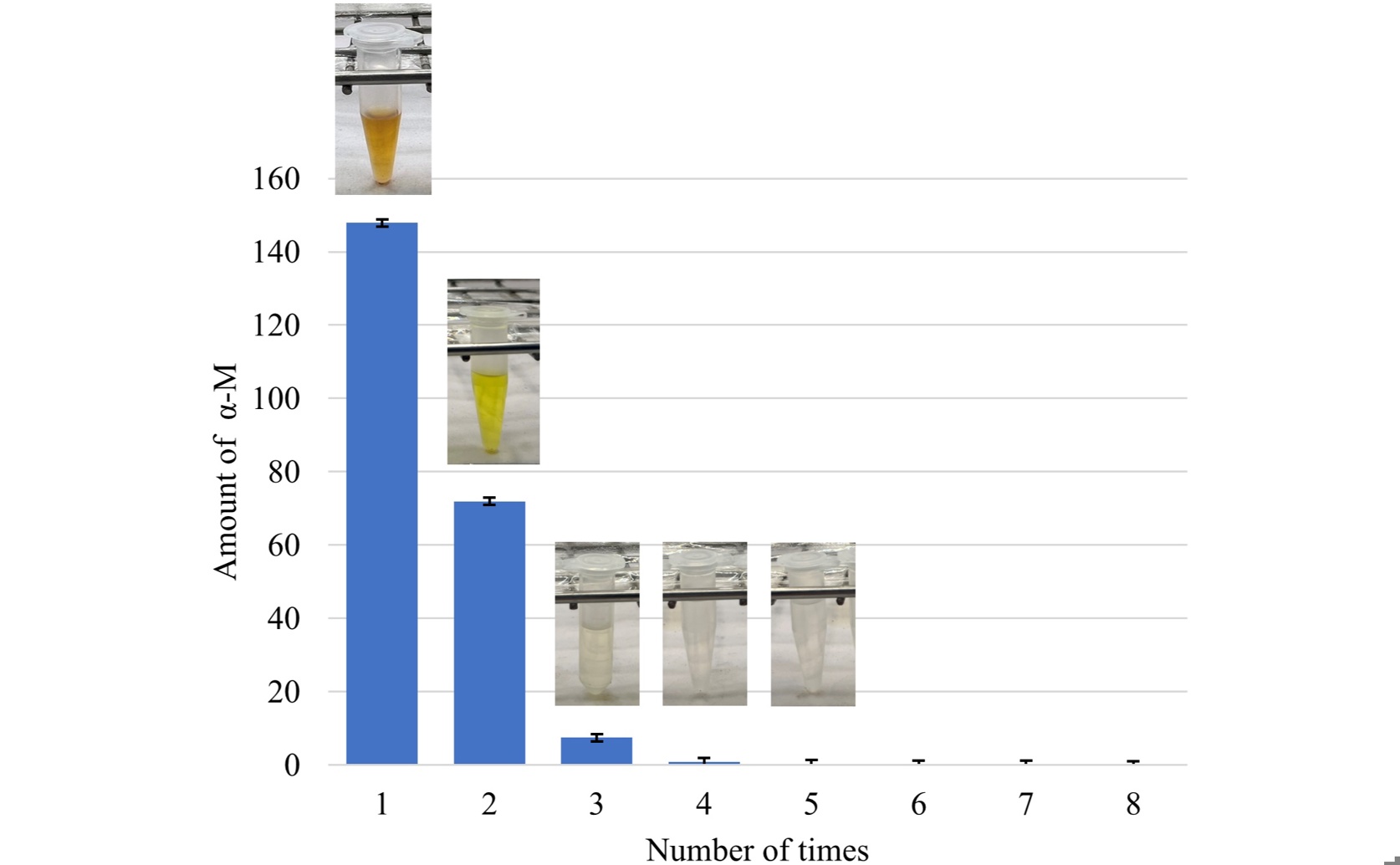
The yield of alpha-mangostin from Mangosteen (Garcinia mangostana L.) pericarps sharply decreased over successive percolation cycles, establishing the total amount of the compound used to benchmark the efficiency of the study's sequential extraction method.

Image adapted from: Han et al. / CC BY (Source)

Key Findings

  • Researchers at Kasetsart University developed a new method to extract alpha-mangostin (⍺-M) from mangosteen pericarps more efficiently
  • The new extraction method achieved a 73% recovery rate and a yield of 46.75 mg/g of ⍺-M, with a purity of 67.9%
  • This method simplifies the extraction process, reduces the need for complex equipment, and is cost-effective and sustainable
Alpha-mangostin (⍺-M) is a naturally occurring compound found in the pericarp of mangosteen fruit, known for its anti-inflammatory, anti-cancer, and antibacterial properties. However, its efficient extraction has posed significant challenges. A recent study conducted by researchers at Kasetsart University has introduced an innovative sequential extraction methodology designed to enhance the recovery of ⍺-M from mangosteen pericarps[1]. This new method presents a cost-effective and resource-efficient alternative to conventional extraction techniques. The study achieved a 73% recovery rate and a yield of 46.75 mg/g of ⍺-M based on the weight/weight percentage of the mass extracted from the sequence and the mass of raw material. The purity of the dried product was 67.9%. The sequential solvent extraction system, which uses water, hexane, and acetonitrile, played a crucial role in improving the efficiency of the extraction process. This methodology not only simplifies the extraction process but also reduces the need for complex equipment, making it a sustainable option for the large-scale recovery of ⍺-M. Previous studies have highlighted the potential of mangosteen extracts in various applications. For instance, mangosteen peel extract (MPE) has demonstrated significant antioxidant and anti-aging activities[2]. MPE and its compounds exhibited high ferric reducing antioxidant power (FRAP) and effective scavenging of hydroperoxide (H2O2). Additionally, alpha-mangostin showed potent anti-collagenase activity, while gamma-mangostin was effective against hyaluronidase and tyrosinase enzymes, which are associated with skin aging. These findings support the potential use of mangosteen extracts as antioxidant and anti-aging agents. Another study explored the use of carboxymethyl chitosan (CMCH) to enhance the moisturizing properties of mangosteen extract in deodorant creams[3]. The study found that incorporating 0.5% high-molecular-weight CMCH significantly improved skin moisturization. The combination of mangosteen extract and CMCH also demonstrated deodorizing activity against trans-2-nonenal, an unsatisfactory odor component, along with antioxidant and antibacterial properties. This synergy between mangosteen extract and CMCH underscores the versatility of mangosteen-derived compounds in cosmetic formulations. Additionally, alpha-mangostin has been formulated into a topical nanoemulsion (NE) to address its poor water solubility, which limits its clinical applications[4]. The nanoemulsion containing alpha-mangostin (AMG-NE) exhibited antibacterial activity against Staphylococcus aureus and Cutibacterium acnes, common skin pathogens, without causing toxicity to skin cells. This novel formulation holds promise for clinical studies aimed at evaluating its efficacy and safety in patients. The antibacterial properties of mangosteen pericarp extracts have also been investigated against cariogenic bacteria, which are responsible for dental caries[5]. The study found that the crude chloroform extract of mangosteen pericarp exhibited significant antibacterial activity against various Streptococcus species and Lactobacillus acidophilus, indicating its potential as an anti-cariogenic agent. The recent study by Kasetsart University builds on these previous findings by offering a more efficient and cost-effective method for extracting alpha-mangostin from mangosteen pericarps. The sequential extraction methodology not only enhances the yield and purity of ⍺-M but also aligns with sustainable practices by reducing the need for complex and resource-intensive equipment. This advancement could facilitate the broader application of ⍺-M in pharmaceuticals, cosmetics, and other industries, leveraging its well-documented pharmacological properties. In conclusion, the innovative sequential extraction method developed by Kasetsart University represents a significant step forward in the efficient recovery of alpha-mangostin from mangosteen pericarps. By improving the yield, purity, and cost-effectiveness of the extraction process, this methodology paves the way for the expanded use of ⍺-M in various therapeutic and commercial applications.

FruitsBiochemPlant Science

References

Main Study

1) Recovery and partial isolation of ⍺-mangostin from mangosteen pericarpsvia sequential extraction and precipitation.

Published 25th October, 2024

https://doi.org/10.1371/journal.pone.0310453


Related Studies

2) Anti-aging Effects of Mangosteen Peel Extract and Its Phytochemical Compounds: Antioxidant Activity, Enzyme Inhibition and Molecular Docking Simulation.

https://doi.org/10.21315/tlsr2020.31.3.9


3) Synergistics of Carboxymethyl Chitosan and Mangosteen Extract as Enhancing Moisturizing, Antioxidant, Antibacterial, and Deodorizing Properties in Emulsion Cream.

https://doi.org/10.3390/polym14010178


4) Physicochemical properties of alpha-mangostin loaded nanomeulsions prepared by ultrasonication technique.

https://doi.org/10.1016/j.heliyon.2019.e02465


5) Antimicrobial Effects of Garcinia Mangostana on Cariogenic Microorganisms.

https://doi.org/10.7860/JCDR/2017/22143.9160


Related Articles

An unhandled error has occurred. Reload 🗙