Brain Toxicity Linked to Popular Medicinal Mushroom Supplement: A Case Report

Greg Howard
11th October, 2024

Brain Toxicity Linked to Popular Medicinal Mushroom Supplement: A Case Report

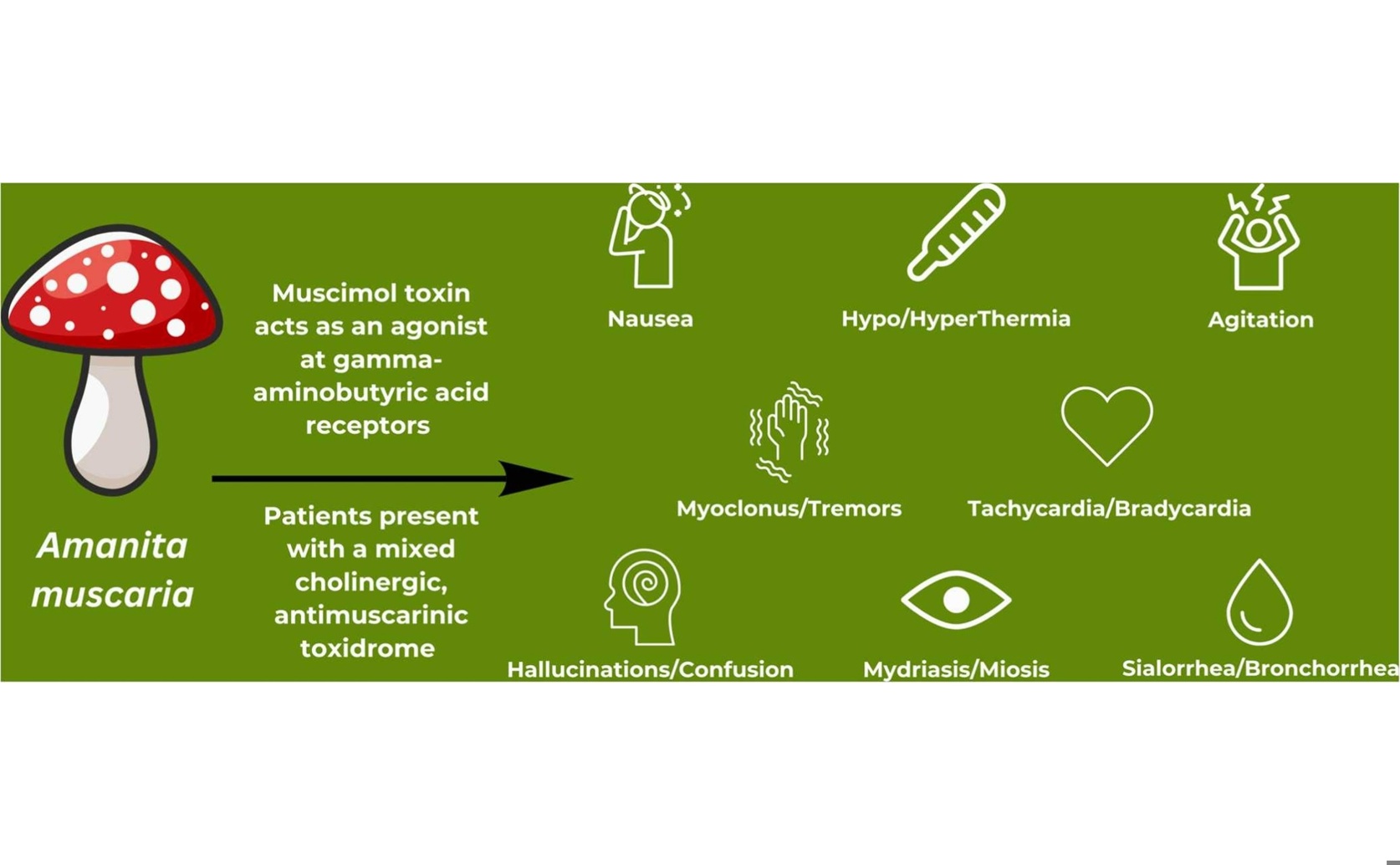
Graphical Abstract from study.

Image adapted from: Ebbens et al. / CC BY (Source)

Key Findings

  • A 17-year-old girl experienced severe symptoms after consuming a medicinal mushroom product, highlighting the risks of unregulated supplements
  • The symptoms were consistent with muscimol poisoning, a toxin found in Amanita muscaria mushrooms, and included altered mental status and involuntary muscle jerks
  • The study emphasizes the need for stringent quality control and regulatory oversight to ensure consumer safety in medicinal mushroom products
Medicinal mushrooms have gained popularity as health supplements due to their purported health benefits, including antitumor, immunomodulating, and antioxidant properties[2]. However, the lack of federal regulation on these products poses a significant risk to consumers, as they may inadvertently ingest toxic substances. A recent study conducted by Monroe Carell Jr. Children's Hospital at Vanderbilt highlights this issue by documenting a case of muscimol poisoning from a commercially available medicinal mushroom product[1]. The case involved a 17-year-old female who presented with altered mental status, dilated pupils (mydriasis), excessive salivation, and involuntary muscle jerks (myoclonic jerks) after consuming a chocolate bar branded "Diamond Shruumz." These symptoms were consistent with muscimol poisoning, a toxin found in Amanita muscaria mushrooms. Despite being refractory to benzodiazepines, the patient showed spontaneous improvement and returned to baseline within eight hours. She was discharged the following day without recurrence of symptoms. This case underscores the potential dangers of unregulated medicinal mushroom products. Muscimol, along with ibotenic acid, is known for causing central nervous system dysfunction, including both excitatory and sedative effects[3][4]. Previous studies have documented the toxic effects of these compounds, which can lead to severe symptoms such as gastrointestinal upset, central nervous system excitation, and depression[4]. The case report from Monroe Carell Jr. Children's Hospital aligns with these findings, demonstrating the characteristic toxidrome of muscimol ingestion. The contamination of medicinal mushroom products with toxic species like Amanita muscaria is particularly concerning given the broad range of bioactive compounds present in mushrooms[2]. While many medicinal mushrooms contain beneficial polysaccharides and secondary metabolites, the presence of toxic compounds can negate these benefits and pose serious health risks. Previous research has highlighted the importance of identifying and quantifying mycotoxins in biological matrices to prevent poisoning cases[5]. However, the lack of standardized analytical methods and regulatory oversight complicates this task. The study from Monroe Carell Jr. Children's Hospital serves as a critical reminder of the need for stringent quality control measures in the production of medicinal mushroom supplements. Ensuring the absence of toxic contaminants is essential for consumer safety. This case also highlights the importance of healthcare providers being aware of the potential for toxic contamination in these products, as early recognition and appropriate management of symptoms can significantly impact patient outcomes. In conclusion, while medicinal mushrooms offer numerous health benefits, the lack of federal regulation on these products can lead to unintended ingestion of toxic substances. The case report from Monroe Carell Jr. Children's Hospital illustrates the dangers of muscimol contamination in commercially available medicinal mushroom products and underscores the need for improved quality control and regulatory oversight to protect consumers.

MedicineHealthMycology

References

Main Study

1) Neurotoxicity associated with the medicinal mushroom product-Diamond Shruumz: A case report.

Published 10th October, 2024

https://doi.org/10.1016/j.toxrep.2024.101748


Related Studies

2) Medicinal mushroom science: Current perspectives, advances, evidences, and challenges.

https://doi.org/10.4103/2319-4170.138318


3) Amanita muscaria: chemistry, biology, toxicology, and ethnomycology.

Journal: Mycological research, Issue: Vol 107, Issue Pt 2, Feb 2003


4) Toxicity of muscimol and ibotenic acid containing mushrooms reported to a regional poison control center from 2002-2016.

https://doi.org/10.1080/15563650.2018.1497169


5) Human Poisoning from Poisonous Higher Fungi: Focus on Analytical Toxicology and Case Reports in Forensic Toxicology.

https://doi.org/10.3390/ph13120454


Related Articles

An unhandled error has occurred. Reload 🗙