Short-Term and Long-Term Safety of Ashwagandha Root Extract in Lab Studies

Jenn Hoskins
2nd October, 2024

Short-Term and Long-Term Safety of Ashwagandha Root Extract in Lab Studies

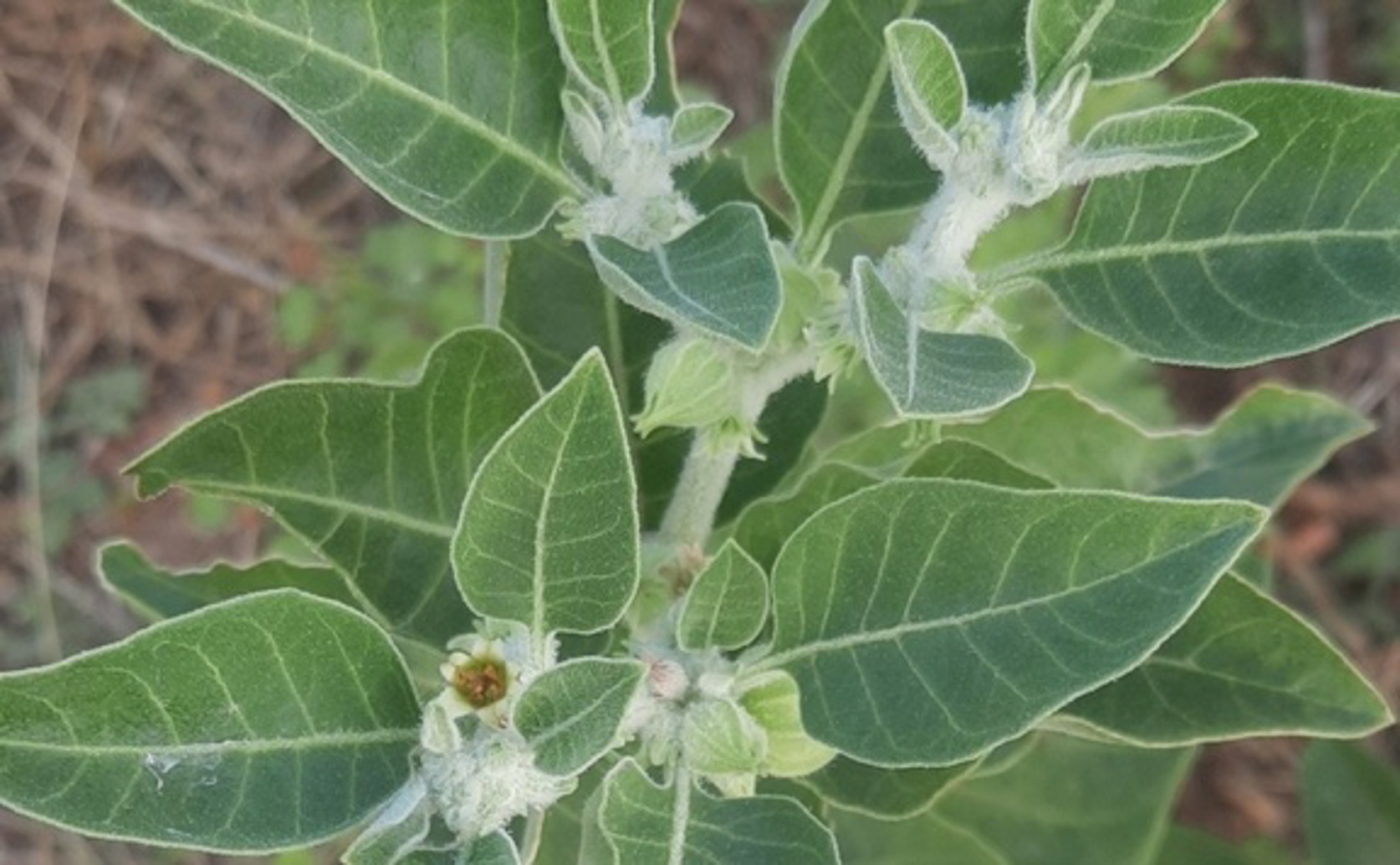
Ashwagandha (Withania somnifera)

Photo adapted from: Tarun Meena / CC BY (Source)

Key Findings

  • The study in Pune, India, found that Ashwagandha root extract is safe at doses up to 1,000 mg/kg in rats
  • Acute toxicity tests showed that a single dose of 2,000 mg/kg did not cause significant harm to the rats
  • Sub-chronic toxicity tests over 90 days revealed no significant toxicological changes, with normal blood and tissue results
Withania somnifera (WS), commonly known as Ashwagandha, has long been valued for its medicinal properties. This study, conducted by PRADO in Pune, India, aimed to evaluate the preclinical toxicity of WS root extract in Sprague Dawley (SD) rats to ascertain its safety for potential human applications[1]. Despite the well-documented therapeutic effects of WS, it is crucial to assess its safety profile through rigorous preclinical testing. The study assessed both acute and sub-chronic toxicity of WS root extract. For acute toxicity, rats were administered a single oral dose of 2,000 mg/kg. In the sub-chronic toxicity assessment, rats received repeated oral doses of 250, 500, and 1,000 mg/kg for 90 days, followed by a 14-day recovery period. Control groups were also included for comparison. The findings revealed that the LD50 (lethal dose for 50% of the population) of WS root extract was higher than 2,000 mg/kg, indicating low acute toxicity. In the sub-chronic study, no significant toxicological changes were observed in the rats. Haematological and serum chemistry markers remained within normal ranges, and terminal necropsy showed no gross or histopathological abnormalities. The no-observed-adverse-effect level (NOAEL) was determined to be 1,000 mg/kg body weight, suggesting that WS root extract is safe at this dose in rats. This study builds upon previous research that has highlighted the various health benefits of WS. For instance, WS has shown promise in improving health-related quality of life in the aging population by addressing inflammaging, a chronic low-grade inflammation associated with aging[2]. Additionally, WS has demonstrated potential as an anticancer and immunomodulatory agent, although challenges such as stability and bioavailability have been noted[3]. The current study's findings on the safety of WS root extract at high doses provide a solid foundation for further exploring its therapeutic applications in humans. Moreover, the pharmacokinetic properties of WS constituents, such as withanosides and withanolides, have been studied to understand their absorption and bioavailability. These compounds have shown significant absorption from the gastrointestinal tract and the ability to cross the blood-brain barrier, making them suitable for treating various disorders[4]. The current study's findings on the safety of WS root extract complement these pharmacokinetic insights, supporting the potential for clinical trials. In summary, the PRADO study confirms that WS root extract is safe at doses up to 1,000 mg/kg in rats, paving the way for its potential use in treating various human disorders. This research, combined with previous findings on the therapeutic benefits and pharmacokinetics of WS, underscores its value as a natural remedy with a broad spectrum of applications.

MedicineHealthAnimal Science

References

Main Study

1) Acute and sub-chronic oral GLP toxicity of Withania somnifera root extract in Sprague Dawley rats.

Published 2nd October, 2024

https://doi.org/10.1515/dmdi-2024-0056


Related Studies

2) Emerging Vistas for the Nutraceutical Withania somnifera in Inflammaging.

https://doi.org/10.3390/ph17050597


3) Withania somnifera: Progress towards a Pharmaceutical Agent for Immunomodulation and Cancer Therapeutics.

https://doi.org/10.3390/pharmaceutics14030611


4) Pharmacokinetic Study of Withanosides and Withanolides from Withania somnifera Using Ultra-High Performance Liquid Chromatography-Tandem Mass Spectrometry (UHPLC-MS/MS).

https://doi.org/10.3390/molecules27051476


Related Articles

An unhandled error has occurred. Reload 🗙