Sweet Potato Leaf Damage and Insights from Leafhoppers

Jim Crocker
3rd August, 2024

Sweet Potato Leaf Damage and Insights from Leafhoppers

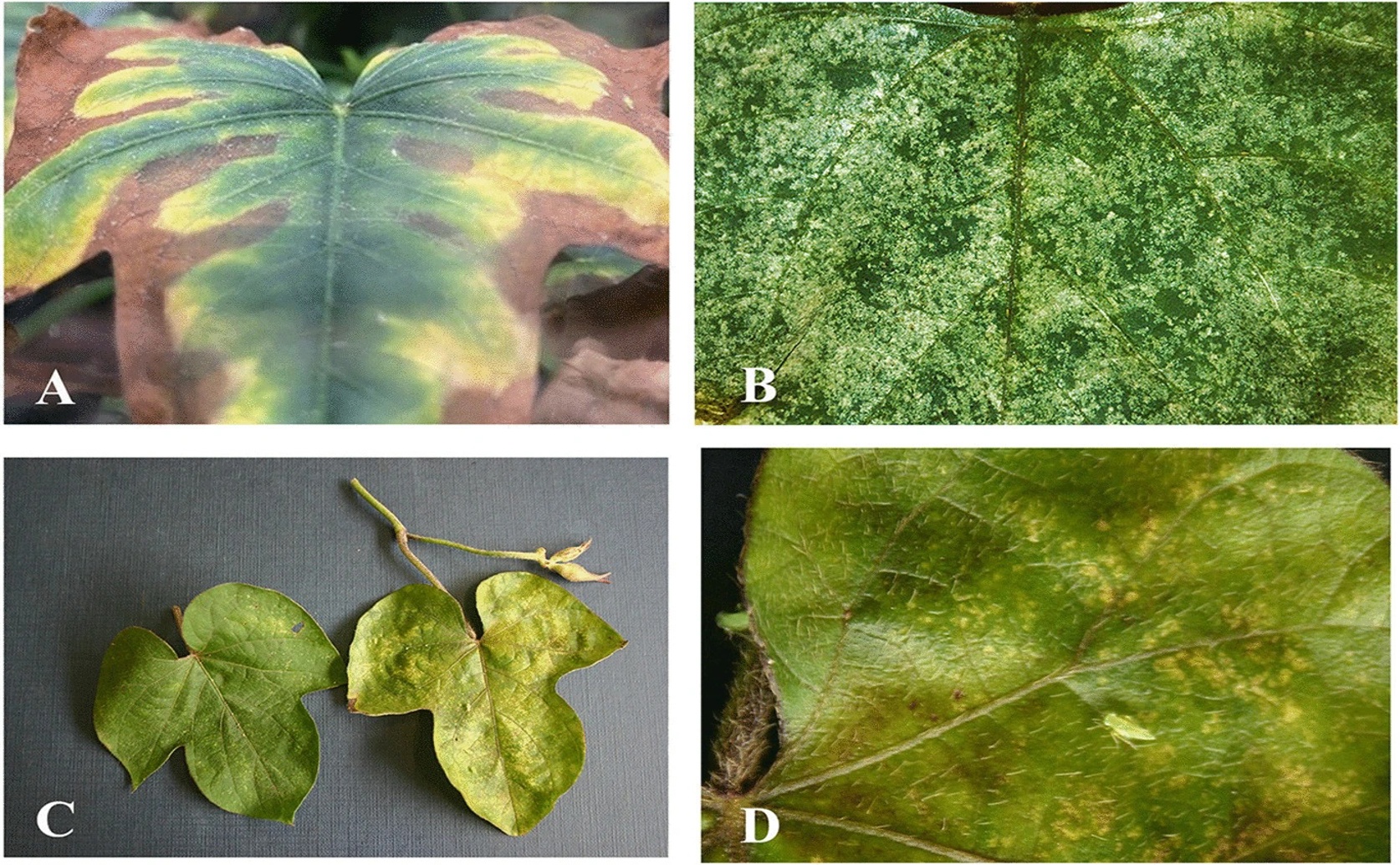
Feeding by the newly recorded pest Empoasca fabalis on sweet potato (Ipomoea batatas) leaves causes characteristic "stippling," seen as individual whitish spots (d) that merge into larger necrotic areas (b), a type of damage distinct from the "hopperburn" caused by other species like Empoasca recurvata (a).

Image adapted from: Aguin-Pombo et al. / CC BY (Source)

Key Findings

  • The study in Portugal's southwestern region identified various insects in sweet potato fields, including both pests and beneficial species
  • Key pests found include leafhoppers and beetles, which can damage sweet potato crops and potentially spread plant diseases
  • Beneficial insects, such as pollinators and natural predators, were also identified, highlighting their role in supporting crop health and reducing the need for chemical pesticides
The Universidade da Madeira recently conducted a study investigating the entomofauna associated with sweet potato (Ipomoea batatas) cultivation in Portugal's southwestern region, an area known for its longstanding sweet potato production[1]. This study was prompted by a recent surge in sweet potato cultivation in Europe, necessitating a better understanding of the insects that interact with this crop. Sweet potatoes are a significant agricultural product, and understanding the insects that associate with them can help manage pests and improve crop yields. The term "entomofauna" refers to the collection of insect species present in a specific area. This study is crucial as it provides insights into the beneficial and harmful insects that could impact sweet potato cultivation. The study involved extensive field surveys to identify and catalog the insect species found in sweet potato fields. Researchers collected samples from various sites and used both visual inspection and trapping methods to ensure a comprehensive assessment. The findings revealed a diverse array of insects, including both pests and beneficial species. One of the key findings was the identification of several pest species that could potentially harm sweet potato crops. These pests include certain leafhoppers and beetles known to feed on the plants, causing significant damage. For instance, leafhoppers can transmit plant pathogens, leading to diseases that can severely impact crop yields. This finding is particularly relevant given the discovery of Psammotettix alienus reovirus (PARV) in leafhoppers in China[2]. While PARV does not infect plants, the presence of leafhoppers in sweet potato fields raises concerns about other potential plant-pathogenic viruses they might carry. In addition to pests, the study also identified beneficial insects, such as pollinators and natural predators of pests. These beneficial species play a crucial role in maintaining the ecological balance and supporting crop health. For example, natural predators can help control pest populations, reducing the need for chemical pesticides and promoting sustainable farming practices. The methods used in this study included both traditional and modern techniques. Visual inspections allowed researchers to identify and record insect species directly in the field. Trapping methods, such as pitfall traps and sticky traps, were used to capture a broader range of insects, including those that are less visible or active during different times of the day. These methods provided a comprehensive overview of the entomofauna associated with sweet potato cultivation. The study's findings have significant implications for sweet potato farmers in Portugal and potentially other regions with similar climates and agricultural practices. By identifying the key pest species, farmers can implement targeted pest management strategies to protect their crops. This could involve monitoring leafhopper populations to prevent the spread of plant pathogens or introducing natural predators to control pest populations. Furthermore, the identification of beneficial insects highlights the importance of preserving and promoting biodiversity in agricultural ecosystems. Farmers can adopt practices that support these beneficial species, such as planting cover crops or creating habitats that attract pollinators and natural predators. In conclusion, this study by the Universidade da Madeira provides valuable insights into the entomofauna associated with sweet potato cultivation in Portugal's southwestern region. By identifying both pest and beneficial insect species, the research offers practical recommendations for improving pest management and promoting sustainable farming practices. The findings also underscore the importance of ongoing monitoring and research to adapt to changing agricultural landscapes and ensure the health and productivity of sweet potato crops.

AgriculturePlant ScienceAnimal Science

References

Main Study

1) Empoasca fabalis DeLong (Hemiptera: Cicadellidae) in European sweet potatoes: records, leaf damage, and Auchenorrhyncha insights

Published 31st July, 2024

https://doi.org/10.1007/s12600-024-01176-0


Related Studies

2) Discovery and characterization of a novel insect-specific reovirus isolated from Psammotettix alienus.

https://doi.org/10.1099/jgv.0.001442


Related Articles

An unhandled error has occurred. Reload 🗙