How Different Tillage Methods Affect Soil Bacteria in a Sloping Vineyard

Jenn Hoskins
30th July, 2024

How Different Tillage Methods Affect Soil Bacteria in a Sloping Vineyard

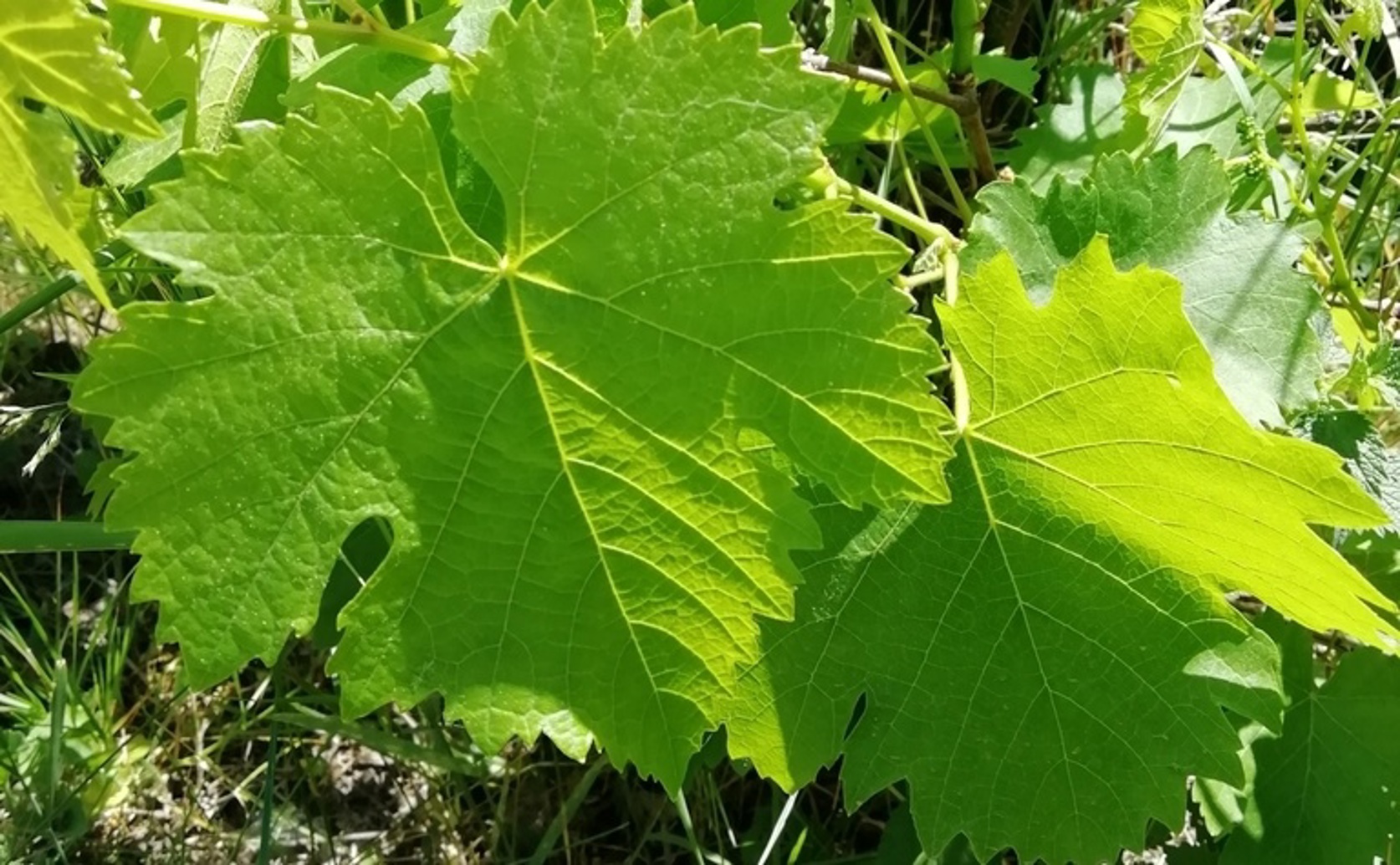
In this sloping vineyard study, the soil bacterial communities associated with Common grape (Vitis vinifera, species pictured) were primarily shaped by seasonal changes and water runoff, rather than by the direct effects of tilled versus no-till inter-row management.

Photo adapted from: Krisztina / CC BY (Source)

Key Findings

  • The study examined the impact of tillage versus no-tillage practices on soil bacterial communities in two erosion-prone vineyards
  • Both tillage and no-tillage soils were dominated by similar bacterial groups, showing no significant difference in bacterial community structure
  • Factors like water runoff and seasonal changes, rather than tillage practices, were the main influences on soil bacterial communities
The common grape (Vitis vinifera L.) has been cultivated for millennia, and modern agricultural practices continue to evolve to optimize vine health and productivity. A recent study by researchers at ELTE Eötvös Loránd University aimed to explore the impact of different tillage practices—shallow tillage with bare soil versus no-tillage with perennial grass cover—on soil bacterial community diversity and soil properties in vineyards[1]. The study focused on two vineyards exposed to erosion, with soil samples taken from different slope positions in July and October 2020. The researchers used 16S rRNA gene-based amplicon sequencing on the Illumina MiSeq platform to identify the taxonomic diversity of bacterial communities present in the soil. The primary objective was to determine how tillage practices influence soil microbial communities and, consequently, the health of the vine. Previous studies have shown that the microbiota in the rhizosphere—the soil region near plant roots—plays a crucial role in plant growth, productivity, and disease resistance[2]. For instance, different grapevine rootstock genotypes have been associated with distinct microbial communities, which can affect the plant's overall health and its ability to fend off pathogens[2]. Additionally, the concept of the holobiont, where the plant and its associated microorganisms function as a single entity, underscores the importance of microbial balance for plant health[3]. In this study, the researchers found that both tilled and no-tilled soil samples were dominated by bacterial phyla such as Pseudomonadota, Acidobacteriota, Bacteroidota, Verrucomicrobiota, Actinobacteriota, and Gemmatimonadota. Interestingly, the results indicated that tillage had no significant effect on the bacterial community structure compared to no-tillage practices in the studied area. Instead, factors like water runoff and seasonal changes in soil physical and chemical properties were the main drivers affecting bacterial community structures. Dimensionality reduction techniques, which simplify complex microbiome datasets for easier visualization and analysis, have been pivotal in such studies[4]. These techniques help researchers identify patterns and relationships within the data that might not be immediately apparent. In this case, the researchers likely used such methods to analyze the vast amount of sequencing data, enabling them to discern the lack of significant differences between tilled and no-tilled practices. The findings of this study have important implications for vineyard management. Given that tillage practices did not significantly alter the bacterial community structure, vineyard managers might consider adopting no-tillage practices to reduce soil erosion and maintain soil health without negatively impacting the soil microbiome. This aligns with the broader understanding that a stable and balanced microbial community is crucial for plant health and productivity[3]. Moreover, the study contributes to the ongoing discourse on the importance of microbial communities in agriculture. By showing that external factors like water runoff and seasonal changes play a more significant role than tillage practices, the research highlights the complexity of soil ecosystems and the need for comprehensive management strategies that consider multiple environmental variables. In conclusion, the study by ELTE Eötvös Loránd University provides valuable insights into the effects of tillage and no-tillage practices on soil bacterial communities in vineyards. It builds on previous research that underscores the importance of the microbiome in plant health and offers practical recommendations for vineyard management. Understanding these dynamics will be crucial for developing sustainable agricultural practices that promote both vine health and environmental conservation.

AgricultureEnvironmentEcology

References

Main Study

1) Changes in the taxonomic composition of soil bacterial communities under different inter-row tillage managements in a sloping vineyard of the Balaton Uplands (Hungary).

Published 29th July, 2024

https://doi.org/10.1007/s42977-024-00234-2


Related Studies

2) The Fungal and Bacterial Rhizosphere Microbiome Associated With Grapevine Rootstock Genotypes in Mature and Young Vineyards.

https://doi.org/10.3389/fmicb.2019.01142


3) The microbiota of the grapevine holobiont: A key component of plant health.

https://doi.org/10.1016/j.jare.2021.12.008


4) Applications and Comparison of Dimensionality Reduction Methods for Microbiome Data.

https://doi.org/10.3389/fbinf.2022.821861


Related Articles

An unhandled error has occurred. Reload 🗙