Using Magnetic Nanoparticles to Help Radishes Grow Better in Polluted Soil

Jenn Hoskins
13th July, 2024

Using Magnetic Nanoparticles to Help Radishes Grow Better in Polluted Soil

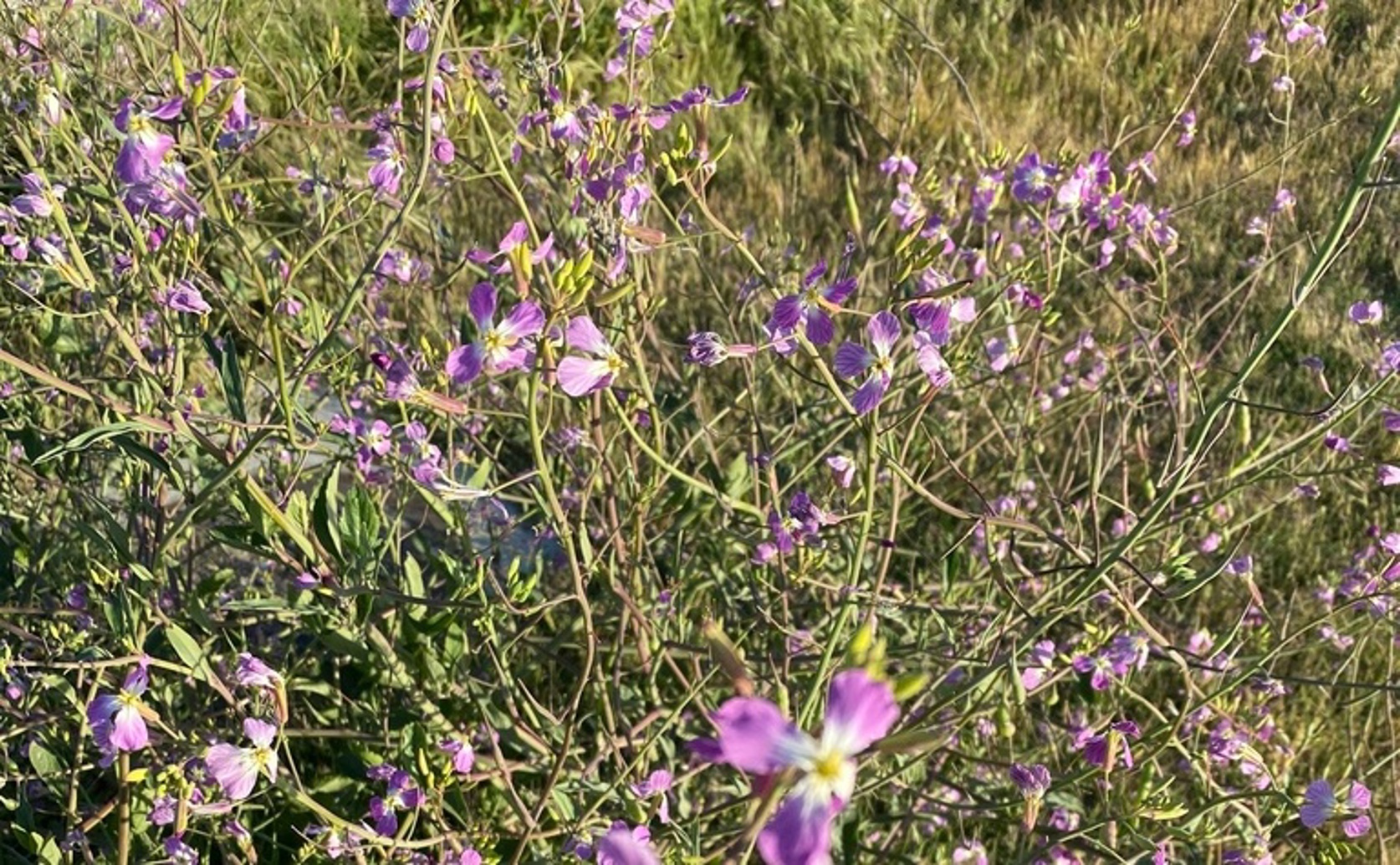
Radish plant (Raphanus sativus)

Photo adapted from: Mark Wagner / CC BY (Source)

Key Findings

  • Researchers at the University of Education, Lahore, found that cadmium stress significantly reduced growth and biochemical parameters in radish plants
  • Adding iron oxide nanoparticles (Fe3O4 NPs) to the soil mitigated the adverse effects of cadmium, improving plant growth and health
  • The 20 mg/L Fe3O4 NPs treatment was more effective than the 40 mg/L treatment in alleviating cadmium stress, enhancing antioxidant enzyme activities and soluble protein content
Cadmium contamination in agricultural soils poses a significant threat to both plant health and human safety. This heavy metal disrupts plant growth and metabolism, leading to reduced crop yields and potential health risks when contaminated plants enter the food chain. Researchers at the University of Education, Lahore, have conducted a study to explore the potential of iron oxide nanoparticles (Fe3O4 NPs) in mitigating cadmium stress in plants[1]. Cadmium (Cd) is a pervasive pollutant in agricultural soils, often resulting from industrial activities and the use of phosphate fertilizers[2]. Its toxicity in plants can lead to stunted growth, chlorosis, and even plant death. Traditional methods for reducing Cd toxicity are limited, making it crucial to find sustainable and effective solutions. Iron (Fe) is an essential nutrient for plants, playing a critical role in processes such as photosynthesis and respiration. However, iron in soils is often present in the insoluble Fe3+ form, making it difficult for plants to absorb[3]. Recent studies have shown that iron oxide nanoparticles (Fe3O4 NPs) can enhance plant growth by providing a more readily available form of iron[4]. The study by the University of Education, Lahore, aimed to investigate the role of Fe3O4 NPs in mitigating cadmium stress in three cultivars of radish (Raphanus sativus): MOL SANO, MOL HOL PARI, and MOL DAQ WAL. The researchers conducted a sand pot experiment with a completely randomized design, including six treatment groups: control, cadmium, 20 mg/L Fe3O4 NPs, 40 mg/L Fe3O4 NPs, 20 mg/L Fe3O4 NPs + cadmium, and 40 mg/L Fe3O4 NPs + cadmium. The study measured various growth, physiological, and biochemical parameters, such as shoot and root length, fresh and dry weight, malondialdehyde (MDA) content, soluble protein content, and activities of antioxidant enzymes like ascorbate peroxidase (APX), catalase (CAT), and peroxidase (POD). Additionally, they assessed ion concentrations, membrane permeability, and pigment content (chlorophyll a, chlorophyll b, and anthocyanin). The results demonstrated that cadmium stress significantly reduced all measured parameters across all radish cultivars. However, the addition of Fe3O4 NPs mitigated these adverse effects. Specifically, the 20 mg/L Fe3O4 NPs treatment proved to be more effective than the 40 mg/L treatment in alleviating cadmium stress. Plants treated with Fe3O4 NPs showed improved growth, higher soluble protein content, and enhanced activities of antioxidant enzymes, which are crucial for combating oxidative stress induced by cadmium. The findings align with previous research indicating that nanoparticles can influence plant physiology and stress responses. For example, a study on iron oxide nanoparticles (IONPs) found that while low concentrations had minimal effects, higher concentrations could impact root length and reproductive capacity in Arabidopsis thaliana[4]. Similarly, research on silver nanoparticles (AgNPs) highlighted that the toxicity of nanoparticles is influenced by factors such as size, surface charge, and coating, with smaller, positively charged nanoparticles exhibiting higher toxicity[5]. These studies underscore the importance of nanoparticle characteristics in determining their effects on plants. The University of Education, Lahore's study contributes to this body of knowledge by demonstrating that Fe3O4 NPs can serve as a viable strategy for mitigating heavy metal stress in plants. The ability of Fe3O4 NPs to improve growth and biochemical attributes under cadmium stress suggests their potential application in sustainable agriculture. By enhancing iron availability and boosting antioxidant defenses, Fe3O4 NPs help plants cope with the detrimental effects of cadmium, ultimately leading to healthier crops and safer food production. In conclusion, the study provides compelling evidence that Fe3O4 nanoparticles can mitigate cadmium stress in radish cultivars, offering a promising approach to address heavy metal contamination in agricultural soils. This research not only advances our understanding of nanoparticle-plant interactions but also opens new avenues for developing sustainable agricultural practices to ensure food security and environmental safety.

AgricultureBiochemPlant Science

References

Main Study

1) Understanding the role of magnetic (Fe3O4) nanoparticle to mitigate cadmium stress in radish (Raphanus sativus L.).

Published 12th July, 2024

https://doi.org/10.1186/s40529-024-00420-4


Related Studies

2) Minimising toxicity of cadmium in plants--role of plant growth regulators.

https://doi.org/10.1007/s00709-014-0710-4


3) Iron utilization and metabolism in plants.

Journal: Current opinion in plant biology, Issue: Vol 10, Issue 3, Jun 2007


4) Developmental and Reproductive Effects of Iron Oxide Nanoparticles in Arabidopsis thaliana.

https://doi.org/10.3390/ijms161024174


5) Toxicity of silver ions and differently coated silver nanoparticles in Allium cepa roots.

https://doi.org/10.1016/j.ecoenv.2016.11.009


Related Articles

An unhandled error has occurred. Reload 🗙