Study of Dangerous Newcastle Disease Virus Strains Found in Deceased Chickens

Jim Crocker
13th July, 2024

Study of Dangerous Newcastle Disease Virus Strains Found in Deceased Chickens
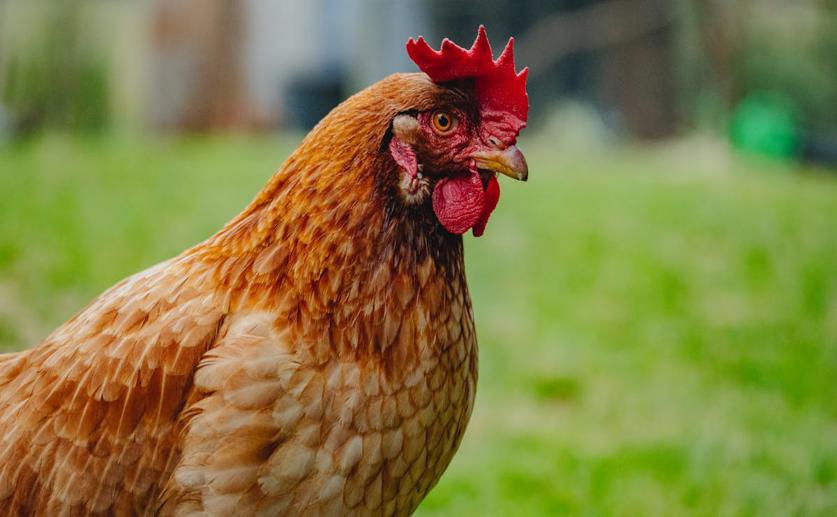
Image Source: Ryan Lansdown (photographer)

Key Findings

  • The study, conducted in East Africa, found significant genetic variation among Newcastle disease virus (NDV) strains in poultry
  • This genetic diversity complicates efforts to control the disease and suggests that region-specific vaccines are needed
  • Continuous monitoring and surveillance are crucial to detect new NDV strains and update vaccines accordingly
Newcastle disease (ND) is a viral disease that affects various bird species and has a significant financial impact on the global poultry market. The Newcastle disease virus (NDV) strains currently circulating in poultry throughout Africa, particularly in East Africa, exhibit considerable genetic variation. This study, conducted by researchers at Sokoine University of Agriculture, aims to understand the genetic diversity of NDV in this region and its implications for disease control and prevention[1]. NDV is known for its adaptability and genetic diversity, which complicates efforts to control the disease. Previous research has shown that NDV has large genetic diversity, with different strains exhibiting varying levels of virulence and spread[2]. In China, for instance, NDV strains were found to belong to two major groups with distinct genetic characteristics, highlighting the virus's evolutionary complexity[2]. This genetic variability poses challenges for vaccine development and disease management. The current study conducted in East Africa builds on these findings by examining the genetic diversity of NDV strains in this region. Researchers collected NDV samples from poultry across several East African countries and analyzed their genetic makeup. The study employed techniques such as phylogenetic analysis, which involves comparing the genetic sequences of different virus strains to determine their evolutionary relationships. This method helps identify how different strains are related and how they have evolved over time. The findings revealed significant genetic variation among NDV strains in East Africa. This variation is similar to what has been observed in other regions, such as China, where different genotypes of NDV were identified[2]. The East African strains were found to belong to multiple genetic groups, indicating that the virus has undergone extensive evolution and adaptation in this region. This diversity can be attributed to various factors, including the movement of poultry across borders and the introduction of new virus strains through trade and migration. Understanding the genetic diversity of NDV is crucial for developing effective vaccines and control strategies. Vaccines need to be tailored to target the specific strains circulating in a region to be effective. The study's findings suggest that a one-size-fits-all approach may not be sufficient for controlling NDV in East Africa due to the high genetic variability of the virus. Instead, vaccines may need to be customized to target the predominant strains in this region. Additionally, the study highlights the importance of continuous monitoring and surveillance of NDV. The genetic diversity of the virus means that new strains can emerge, potentially leading to outbreaks even in vaccinated populations. Regular monitoring can help detect these new strains early and inform the development of updated vaccines and control measures. The study also underscores the potential role of recombination in NDV evolution. Recombination is a process where two different virus strains exchange genetic material, creating new strains with mixed characteristics. Previous research has identified recombination events in NDV strains, particularly involving vaccine strains[2]. The current study's findings suggest that recombination may also play a role in the genetic diversity of NDV in East Africa, further complicating efforts to control the disease. In conclusion, the study conducted by researchers at Sokoine University of Agriculture provides valuable insights into the genetic diversity of NDV strains in East Africa. The findings emphasize the need for region-specific vaccines and continuous monitoring to effectively control NDV. By understanding the genetic variability of the virus, researchers and policymakers can develop more targeted and effective strategies to protect poultry and mitigate the economic impact of Newcastle disease.

GeneticsBiochemAnimal Science

References

Main Study

1) Phylogenetic analysis of virulent strains of the Newcastle disease virus isolated from deceased chickens in Tanzania's Morogoro and Iringa regions

Published 12th July, 2024

https://doi.org/10.1007/s44338-024-00015-0


Related Studies

2) Multiple potential recombination events among Newcastle disease virus genomes in China between 1946 and 2020.

https://doi.org/10.3389/fvets.2023.1136855


Related Articles

An unhandled error has occurred. Reload 🗙