
How Planting Methods Affect Garlic and Grass Growth in Heavy Metal Soil
Jim Crocker
11th July, 2024


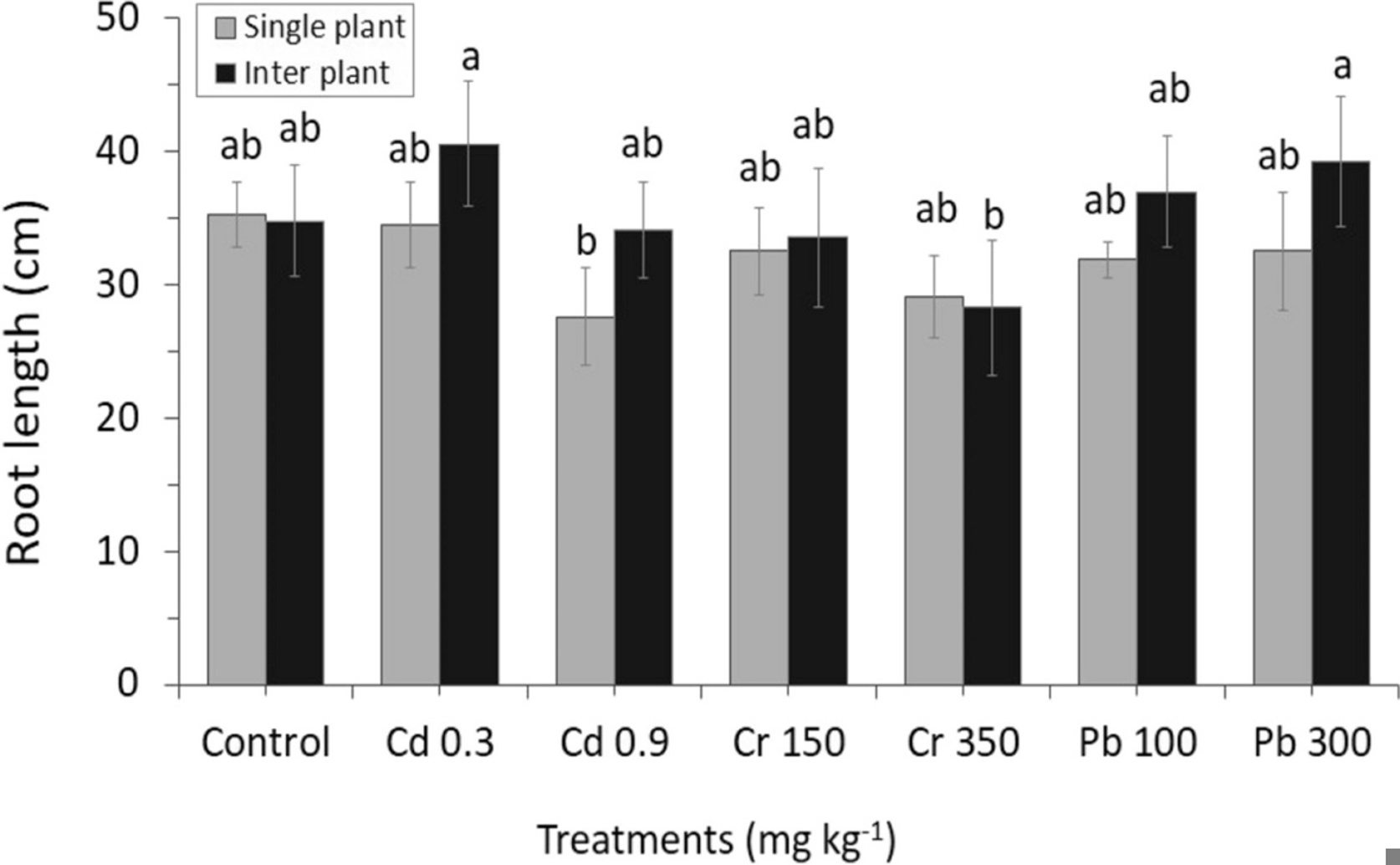
Demonstrating the differential toxicity of heavy metals, the root length of Perennial ryegrass (Lolium perenne) was significantly reduced by high concentrations of cadmium and chromium, whereas lead exposure unexpectedly promoted root growth in both monoculture and intercropping systems.
Key Findings
- The study from Southwest University of Science and Technology explored using garlic monoculture (MC) and intercropping (IC) with perennial ryegrass to clean heavy metals from soil
- Both MC and IC systems improved the uptake of cadmium (Cd), chromium (Cr), and lead (Pb) from contaminated soils
- The IC system significantly increased plant biomass, with shoot and root growth 3.7 and 2.9 times higher than in the MC system
AgricultureEnvironmentPlant Science
References
Main Study
1) The effects of monoculture and intercropping on photosynthesis performance correlated with growth of garlic and perennial ryegrass response to different heavy metals.
Published 11th July, 2024
https://doi.org/10.1186/s12870-024-05371-3
Related Studies
2) Biochar-based microbial agent reduces U and Cd accumulation in vegetables and improves rhizosphere microecology.
3) Analyses of soil microbial community compositions and functional genes reveal potential consequences of natural forest succession.
4) Comparing the performance of four macrophytes in bacterial assisted floating treatment wetlands for the removal of trace metals (Fe, Mn, Ni, Pb, and Cr) from polluted river water.
5) Cadmium toxicity in plants: Impacts and remediation strategies.
Related Articles
 28th June, 2024 | Jim Crocker