
How Different Colored Sweet Potatoes Store Healthy Plant Compounds
Greg Howard
8th July, 2024


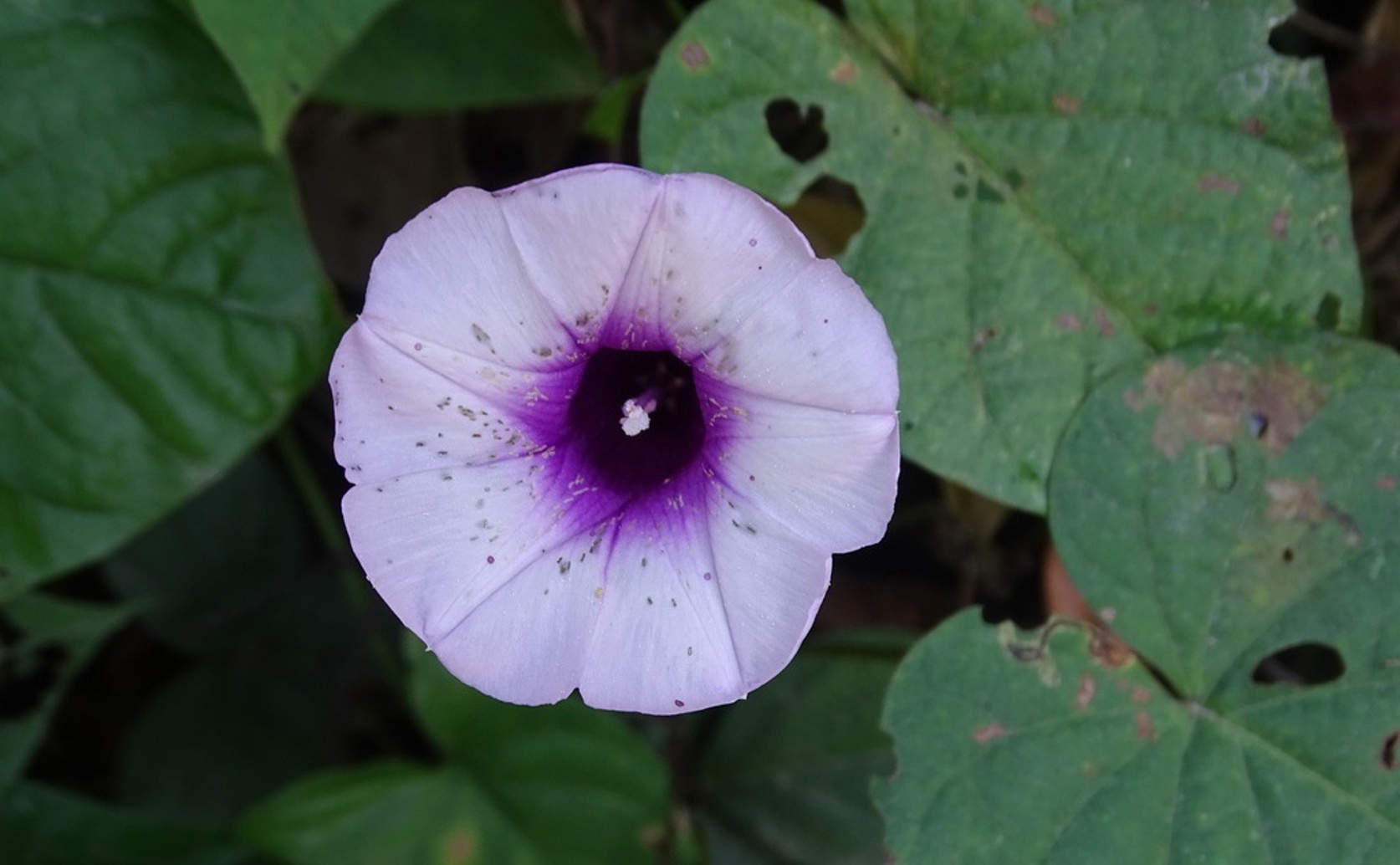
Key Findings
- The study by Hubei Minzu University analyzed the secondary metabolites in white, orange, and purple sweet potato varieties
- Researchers identified 4,447 secondary metabolites, with significant differences in flavonoids and phenolic acids among the varieties
- The purple sweet potato's color is linked to specific compounds like paeoniflorin-like and delphinidin-like compounds
VegetablesBiochemPlant Science
References
Main Study
1) Accumulation patterns of flavonoids and phenolic acids in different colored sweet potato flesh revealed based on untargeted metabolomics.
Published 30th October, 2024 (future Journal edition)
https://doi.org/10.1016/j.fochx.2024.101551
Related Studies
2) Comparison of the Proximate Composition, Total Carotenoids and Total Polyphenol Content of Nine Orange-Fleshed Sweet Potato Varieties Grown in Bangladesh.
3) Effects of high hydrostatic pressure and soaking solution on proximate composition, polyphenols, anthocyanins, β-carotene, and antioxidant activity of white, orange, and purple fleshed sweet potato flour.
4) Untargeted metabolomics of purple and orange-fleshed sweet potatoes reveals a large structural diversity of anthocyanins and flavonoids.
Related Articles
 29th February, 2024 | Jenn Hoskins