
Understanding New Proteins That Help Fight Fungal Infections
Greg Howard
6th July, 2024


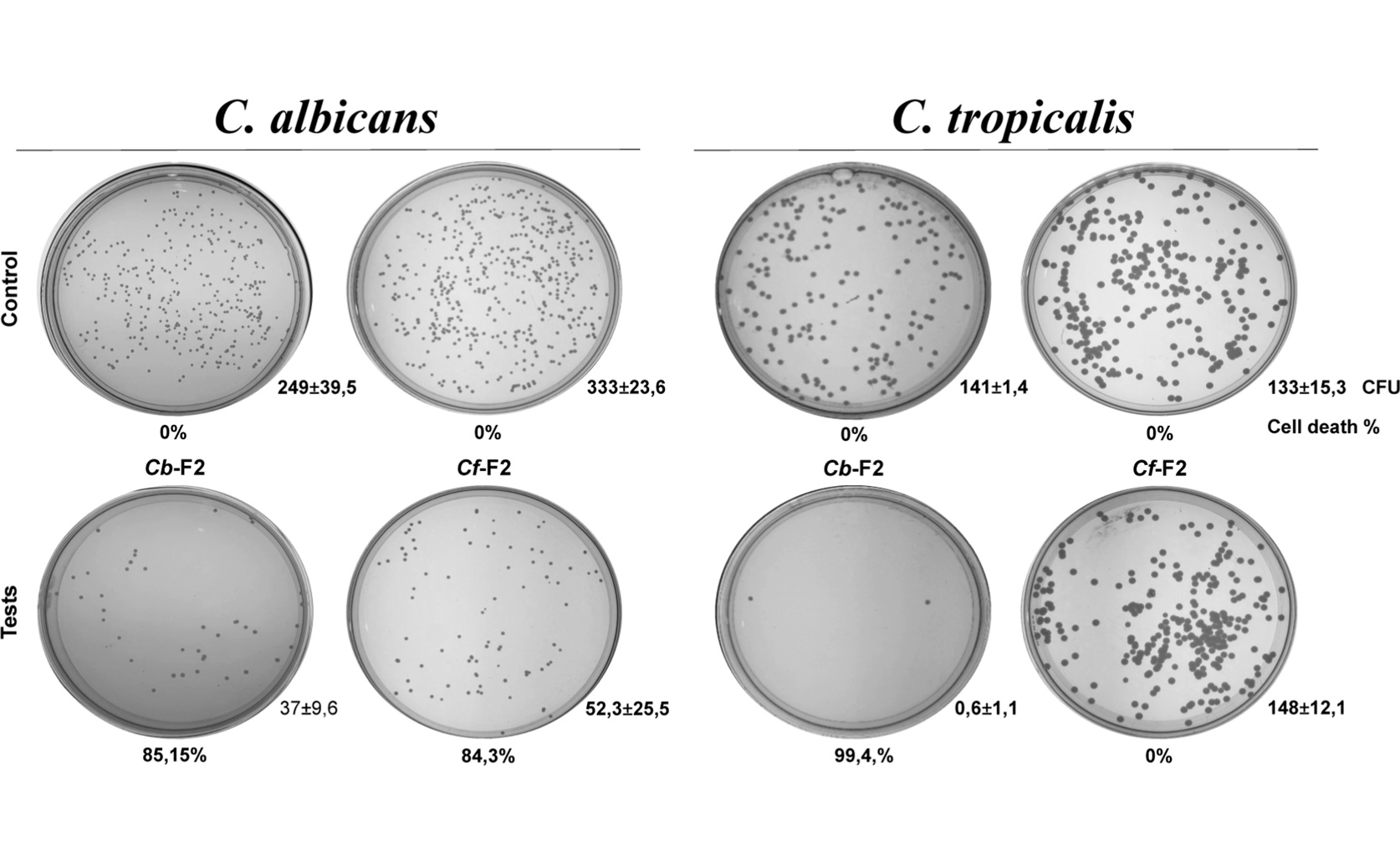
The isolated chitin-binding lipid transfer proteins from Capsicum baccatum (Cb-F2) and Capsicum frutescens (Cf-F2) demonstrated potent antifungal activity, significantly reducing cell viability in Candida albicans, while Cb-F2 also caused a nearly complete loss of viability in Candida tropicalis.
Key Findings
- Researchers at Universidade Estadual do Norte Fluminense Darcy Ribeiro studied antifungal peptides from Capsicum seeds
- Peptides from Capsicum baccatum seeds inhibited the growth of Candida albicans and Candida tropicalis
- Peptides from Capsicum frutescens seeds inhibited only Candida albicans
- Both types of peptides showed low toxicity in tests, indicating potential safety for therapeutic use
References
Main Study
1) Structural and Functional Characterization of New Lipid Transfer Proteins with Chitin-Binding Properties: Insights from Protein Structure Prediction, Molecular Docking, and Antifungal Activity.
Published 5th July, 2024
https://doi.org/10.1021/acs.biochem.4c00124
Related Studies
2) The multifaceted nature of antimicrobial peptides: current synthetic chemistry approaches and future directions.
3) Antimicrobial Peptides: Classification, Design, Application and Research Progress in Multiple Fields.
4) Antimicrobial Peptides: An Emerging Category of Therapeutic Agents.
Related Articles
 23rd May, 2024 | Greg Howard