
Exploring African Medicinal Plants for Potential Tuberculosis Treatments
Jenn Hoskins
26th June, 2024


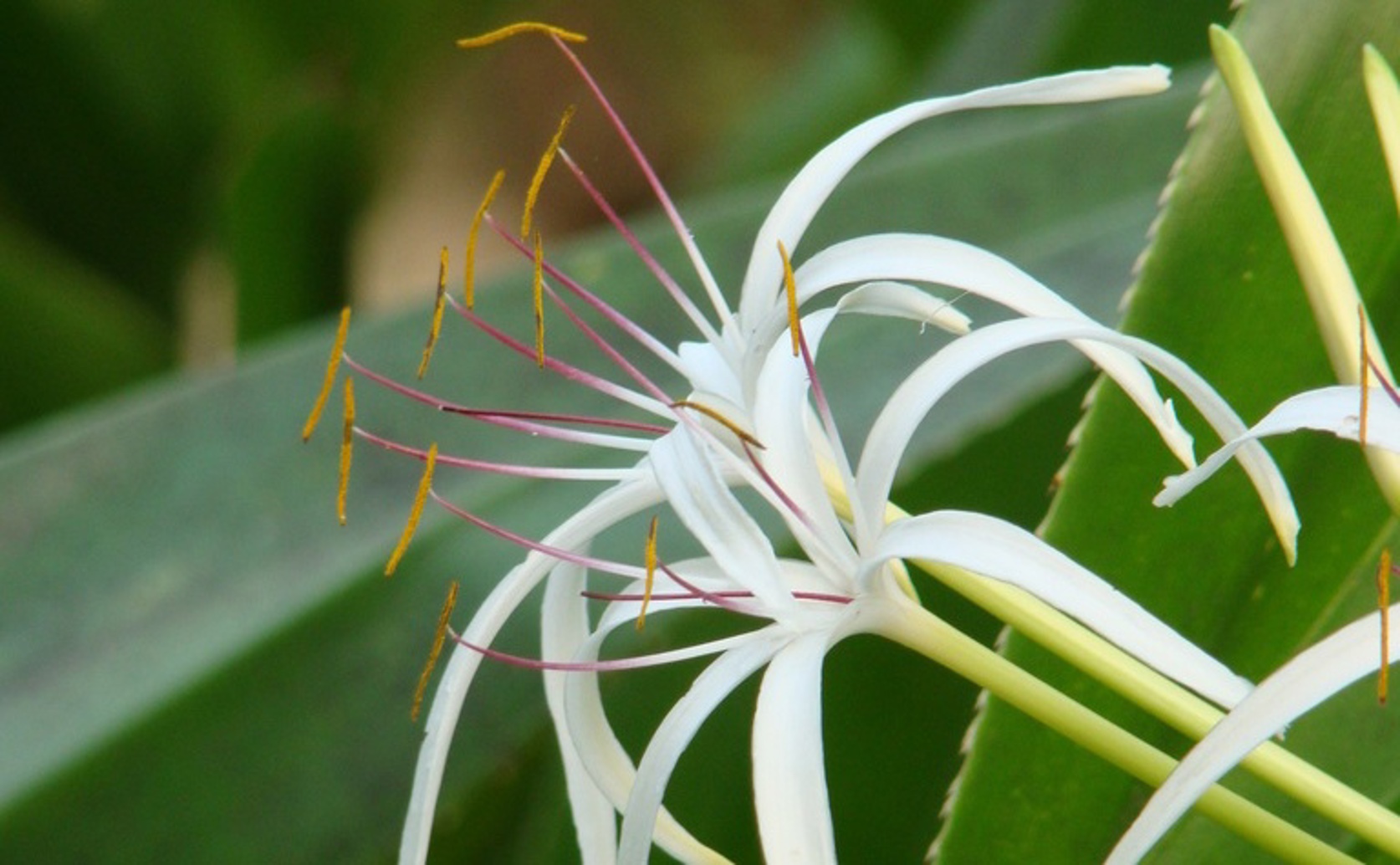
Study found that fractions from the bulb of the medicinal plant Crinum asiaticum (pictured) demonstrated the most potent antimycobacterial activity of all species tested, identifying it as a key source for potential new tuberculosis drug leads.
Key Findings
- The study by the University of Pretoria explored medicinal plants from Ghana and South Africa for their potential to fight drug-resistant TB
- Crinum asiaticum (bulb) was identified as the most potent plant, showing strong activity against non-pathogenic Mycobacterium species
- Specific fractions of Crinum asiaticum also showed moderate activity against the infectious M. tuberculosis strain, suggesting potential for new TB treatments
References
Main Study
1) Investigation of the antimycobacterial activity of African medicinal plants combined with chemometric analysis to identify potential leads.
Published 25th June, 2024
https://doi.org/10.1038/s41598-024-65369-7
Related Studies
2) Current perspectives in drug discovery against tuberculosis from natural products.
3) The Global Burden of Latent Tuberculosis Infection: A Re-estimation Using Mathematical Modelling.
4) Situational analysis of 10 countries with a high burden of drug-resistant tuberculosis 2 years post-UNHLM declaration: progress and setbacks in a changing landscape.
5) Prevalence of drug-resistant tuberculosis and imputed burden in South Africa: a national and sub-national cross-sectional survey.
Related Articles
 11th June, 2024 | Jim Crocker