
Discovering the Hidden Potential of an Arctic Marine Fungus for Medicine
Greg Howard
18th June, 2024


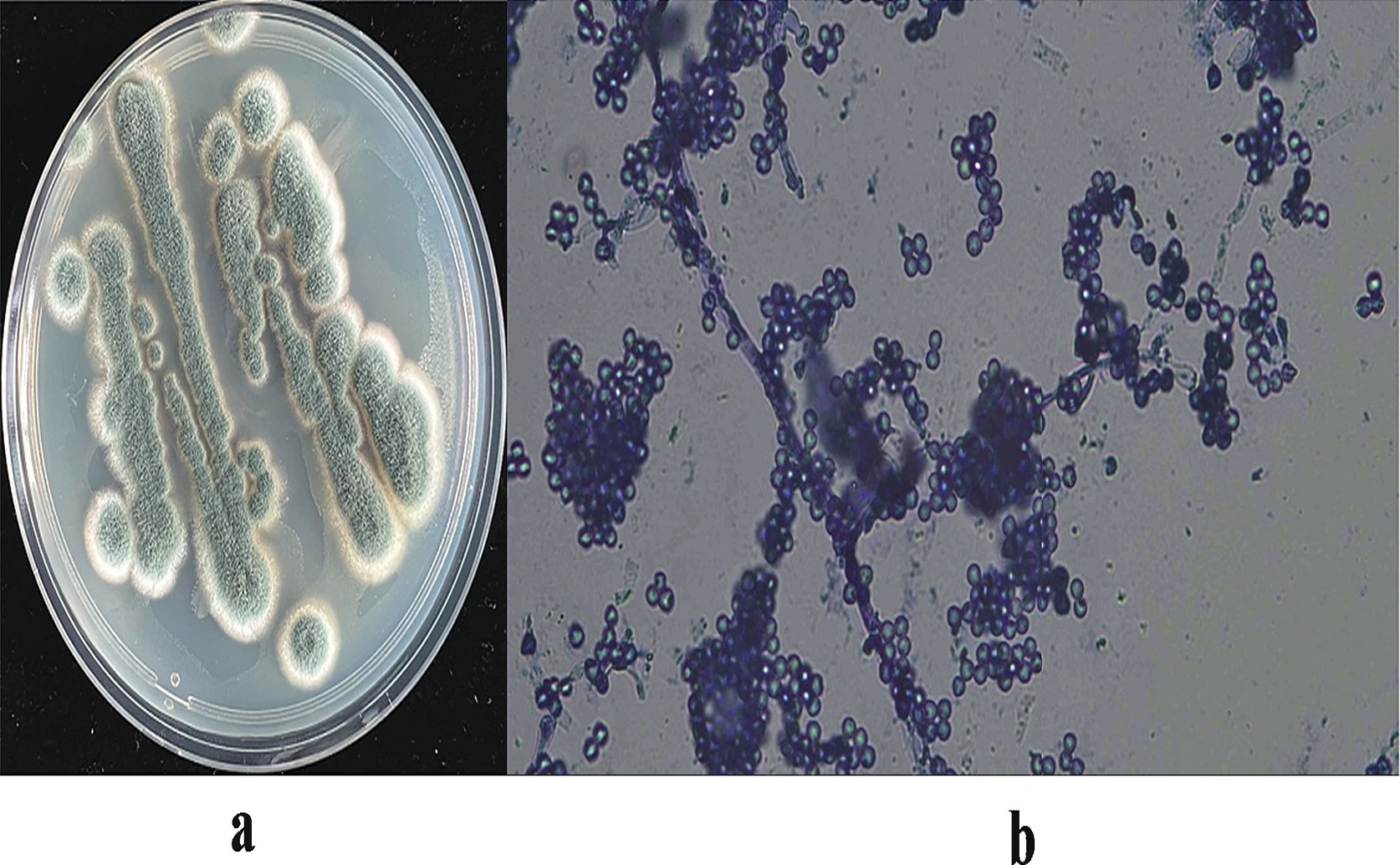
Morphological analysis reveals that the Arctic-derived fungal strain MNP-2 exhibits the macroscopic colony growth (a) and microscopic conidial structures (b) characteristic of the genus Aspergillus.
Key Findings
- Researchers from Zhejiang University studied an Arctic marine strain, Aspergillus sydowii MNP-2, to explore its potential for producing bioactive compounds
- They identified several gene clusters in Aspergillus sydowii MNP-2 that could produce novel bioactive compounds, including potential new antibiotics
- The study highlights the importance of polar microorganisms as sources of unique and valuable biochemical compounds, especially in the search for new therapeutic agents
References
Main Study
1) Unveiling biosynthetic potential of an Arctic marine-derived strain Aspergillus sydowii MNP-2
Published 17th June, 2024
https://doi.org/10.1186/s12864-024-10501-0
Related Studies
2) Microbial diversity and functional capacity in polar soils.
3) Lichensphere: a protected natural microhabitat of the non-lichenised fungal communities living in extreme environments of Antarctica.
4) Bioactive natural products from the antarctic and arctic organisms.
Journal: Mini reviews in medicinal chemistry, Issue: Vol 13, Issue 4, Apr 2013
Related Articles
 15th June, 2024 | Jenn Hoskins