Effects of Plant Extracts on Algae Health and Toxicity

Jim Crocker
13th June, 2024

Effects of Plant Extracts on Algae Health and Toxicity

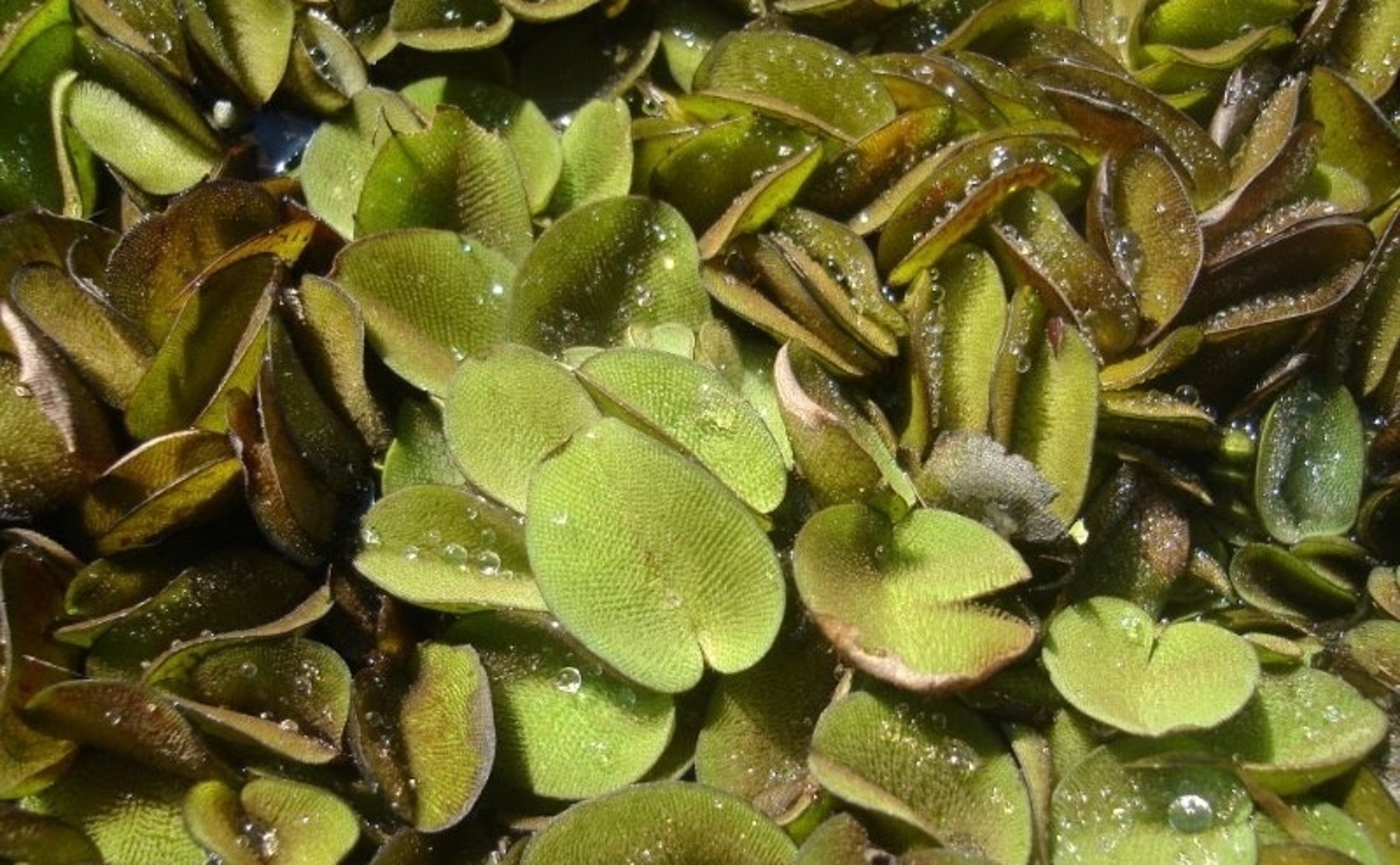
Salvinia auriculata

Photographer: Hugo Saulino

Key Findings

  • Researchers at São Paulo State University (UNESP) found that extracts from the plant Salvinia auriculata can kill or inhibit the growth of the harmful cyanobacterium Microcystis aeruginosa
  • The extracts contain polyphenols and flavonoids, which are known for their antioxidant properties and can reduce oxidative stress in the cyanobacterium
  • The study suggests that S. auriculata extracts could be a natural solution to manage harmful algal blooms in freshwater systems without causing genetic damage
Microcystis aeruginosa is a common cyanobacterium responsible for harmful algal blooms in freshwater systems worldwide. These blooms produce microcystins, toxic compounds that pose significant health risks to animals and humans through contaminated water or food. Addressing this environmental issue, a study conducted by São Paulo State University (UNESP) investigates the potential of Salvinia auriculata extracts to control the growth and reproduction of M. aeruginosa[1]. The study aimed to identify bioactive compounds in S. auriculata and assess their effects on the cyanobacterium. Researchers found that both aqueous and ethanolic extracts of S. auriculata exhibited algicidal properties, meaning they could kill or inhibit the growth of M. aeruginosa. Additionally, these extracts influenced the activity of antioxidant enzymes and other parameters related to oxidative stress in the cyanobacterium. Phytochemical analyses revealed that the extracts contained polyphenols and flavonoids, compounds known for their antioxidant properties. These findings suggest that S. auriculata extracts could potentially be used to manage cyanobacterial populations in freshwater systems without causing cytogenotoxicity or mutagenicity, as confirmed by the Allium cepa test. The study builds on previous research that has explored the toxic effects of microcystins. For instance, earlier studies have shown that microcystins inhibit phosphatases and induce oxidative stress, leading to cellular damage[2]. Another study highlighted the complex interactions between cyanobacterial metabolites and their effects on oxidative stress markers in green algae[3]. By demonstrating the algicidal effects of S. auriculata extracts, the current study offers a potential biological solution to mitigate the harmful impacts of M. aeruginosa blooms. One significant aspect of the study is its focus on oxidative stress, a well-documented consequence of microcystin exposure. Previous research has shown that microcystins can deplete glutathione, an important antioxidant, leading to increased levels of reactive oxygen species (ROS) and oxidative damage[2]. The current study adds to this understanding by showing that S. auriculata extracts can modulate antioxidant enzyme activities in M. aeruginosa, potentially reducing oxidative stress. Moreover, the study’s findings align with earlier observations that cyanobacterial mixtures have complex effects that differ from those of pure toxins[3]. This complexity underscores the importance of exploring natural solutions like S. auriculata extracts, which may offer more nuanced and effective ways to manage cyanobacterial blooms. In summary, the research conducted by UNESP highlights the potential of S. auriculata extracts in controlling M. aeruginosa populations and mitigating oxidative stress. The presence of bioactive compounds such as polyphenols and flavonoids in the extracts suggests a promising avenue for further investigation. Future studies should focus on identifying and characterizing the specific compounds responsible for these effects to facilitate their application in drinking water treatment.

EnvironmentBiochemPlant Science

References

Main Study

1) Physiological and toxicological response of Microcystis aeruginosa BCCUSP232 exposed to Salvinia auriculata extracts.

Published 12th June, 2024

https://doi.org/10.1080/15287394.2024.2366320


Related Studies

2) Oxidative stress generation by microcystins in aquatic animals: why and how.

https://doi.org/10.1016/j.envint.2009.10.010


3) Effects of microcystin and complex cyanobacterial samples on the growth and oxidative stress parameters in green alga Pseudokirchneriella subcapitata and comparison with the model oxidative stressor--herbicide paraquat.

https://doi.org/10.1002/tox.20601


Related Articles

An unhandled error has occurred. Reload 🗙