New Method to Create Compounds That Kill Harmful Garden Snails

Greg Howard
13th June, 2024

New Method to Create Compounds That Kill Harmful Garden Snails

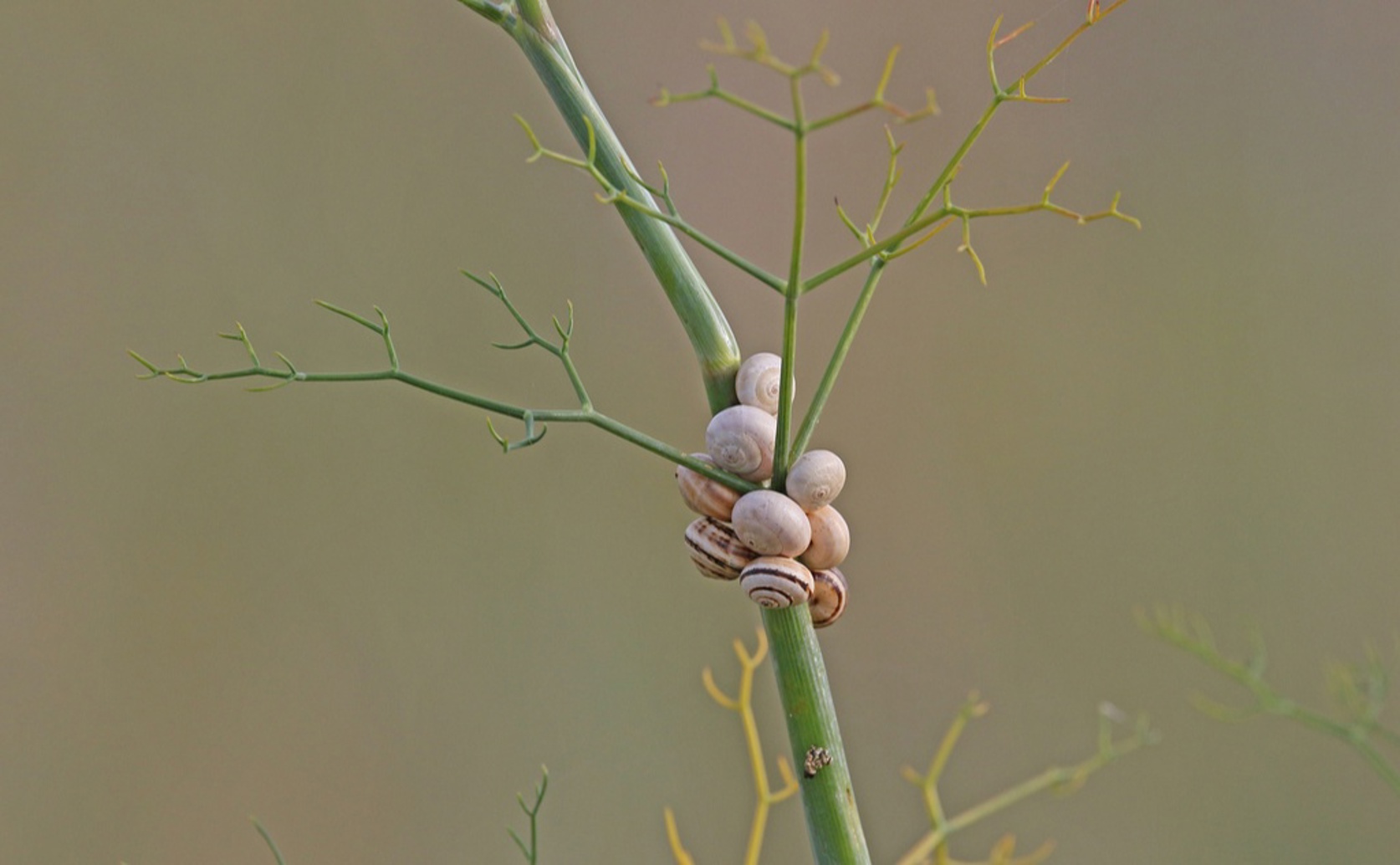
The pest snail, Theba pisana, covered in the study.

Photo adapted from: Christoph Moning / CC BY (Source)

Key Findings

  • Researchers from Assiut University in Egypt developed nine new non-toxic compounds to control the pest snail Theba pisana
  • These new compounds showed significant effectiveness in killing the snails, offering a promising alternative to traditional chemical pesticides
  • The new compounds are environmentally friendly, addressing health and ecological concerns associated with conventional pesticides
Terrestrial snails, particularly Theba pisana, are notorious agricultural pests in the Mediterranean region, including Egypt. These gastropods cause significant damage to a variety of crops, leading to substantial economic losses. In response to this pressing issue, researchers from Assiut University have developed a series of unique and non-toxic molluscicides aimed at controlling these pests effectively[1]. The study conducted by Assiut University evaluated nine novel heterocyclic compounds for their molluscicidal effects on T. pisana. These compounds include 2-pyrazolines, 2-oxocyclohex-3-ene, and 3-cyano-2-ethoxypyridine. The reference compound used for comparison was methomyl, a widely known chemical used for pest control. To understand the significance of this study, it's essential to consider previous research on molluscicides and biocontrol agents. For instance, a series of field experiments compared the effectiveness of the chemical molluscicide metaldehyde and the nematode biocontrol agent Phasmarhabditis hermaphrodita in reducing slug damage to crops like lettuce, Brussels sprouts, leaf beet, and cabbage[2]. These experiments revealed that metaldehyde significantly reduced slug damage and the number of slugs contaminating harvested plants. However, the nematode treatment was only effective when applied directly to the planted area without prior manure application. The current study builds on these findings by exploring non-toxic alternatives to traditional chemical molluscicides. The nine heterocyclic compounds were tested for their effectiveness in controlling T. pisana populations. The results showed that these novel compounds had significant molluscicidal effects, offering a promising alternative to methomyl and other chemical treatments. One of the key advantages of these new compounds is their non-toxic nature, which addresses the environmental and health concerns associated with traditional chemical molluscicides. For example, the earlier study on metaldehyde and nematodes highlighted the impact of chemical treatments on non-target organisms like earthworms and beneficial nematodes[2]. In contrast, the novel heterocycles developed by Assiut University are designed to minimize such adverse effects, making them a more sustainable option for pest control. The methods used in this study involved the synthesis and characterization of the nine heterocyclic compounds, followed by laboratory tests to assess their molluscicidal activity. The compounds were applied to T. pisana, and their effects were compared to those of methomyl. The results were promising, with several of the novel compounds demonstrating high efficacy in controlling the snail population. This research represents a significant step forward in the development of sustainable pest control methods. By offering effective, non-toxic alternatives to traditional chemical treatments, these novel heterocyclic compounds have the potential to reduce the environmental impact of agricultural pest control while maintaining crop protection. In summary, the study conducted by Assiut University on the molluscicidal effects of nine novel heterocyclic compounds offers a promising solution to the problem of terrestrial snail pests in agriculture. By building on previous research and addressing the limitations of traditional chemical treatments, this study contributes to the development of more sustainable and environmentally friendly pest control methods.

EnvironmentBiochemAnimal Science

References

Main Study

1) Novel synthesis of some heterocycles and their molluscicidal activity against the destructive land snail, Theba pisana

Published 12th June, 2024

https://doi.org/10.1186/s40538-024-00602-z


Related Studies

2) The effects of repeated applications of the molluscicide metaldehyde and the biocontrol nematode Phasmarhabditis hermaphrodita on molluscs, earthworms, nematodes, acarids and collembolans: a two-year study in north-west Spain.

Journal: Pest management science, Issue: Vol 59, Issue 11, Nov 2003


Related Articles

An unhandled error has occurred. Reload 🗙