Health concerns in Amazon river communities linked to changing climate

Jim Crocker
12th October, 2025

Health concerns in Amazon river communities linked to changing climate

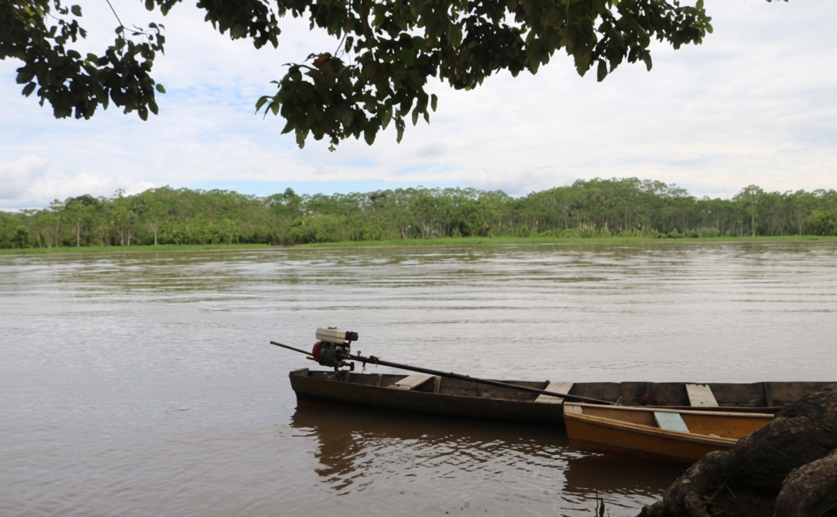
Tributary of the Solimões River during the Amazonian winter

Image adapted from: Santos et al. / CC BY (Source)

Key Findings

  • In Tabatinga, Brazil, Amazonian riverine communities face increasing health challenges due to extreme weather events impacting their way of life
  • Seasonal extremes—both droughts and floods—create barriers to healthcare access, including water and food shortages, and increased illnesses
  • Climate change intensifies existing issues, disrupting transportation and forcing residents to travel long distances for essential services like healthcare and supplies
The Amazon rainforest is vital for the livelihoods of approximately 900,000 people who live along its rivers, but these communities face increasing challenges due to extreme weather events and limited access to healthcare. Droughts and floods, made worse by deforestation and climate change, isolate these populations and worsen health inequalities. A recent study by researchers at Fundação de Medicina Tropical, Universidade do Estado do Amazonas, Universidade Federal do Amazonas, Instituto Nacional de Pesquisas da Amazônia, Centro Universitário Fametro, and University of Mississippi[1] investigated how these climatic events affect the health and healthcare access of traditional riverine communities, focusing on their experiences. The study focused on a riverine community in Tabatinga, Western Brazil, and involved in-depth interviews and focus groups with 32 residents – farmers, fishermen, and students. The researchers used a method called thematic analysis, employing MAXQDA software to identify key patterns in the participants’ responses. This approach allows for a deep understanding of complex issues by analyzing the meaning behind people’s words and experiences. Two main themes emerged from the analysis. The first highlighted the significant impact of Amazonian seasonality on healthcare access. Participants consistently described health problems linked to seasonal extremes, including shortages of safe water and food, financial difficulties, a rise in gastrointestinal illnesses, more frequent accidents involving animals, river pollution, and an increase in drownings. Importantly, they reported births and deaths occurring in their homes or along the riverbanks due to the inability to reach medical facilities during these events. The second theme focused on the patterns of people moving in and out of the community. This movement is often driven by necessity, with residents needing to travel long distances for work, supplies, or healthcare. However, extreme weather events further disrupt these patterns, making travel even more difficult and unpredictable. A key finding was the perception among residents that extreme weather events, particularly severe droughts, have become more intense over the last decade. This intensification is exacerbating existing health and food/water security issues and restricting access to care. This aligns with broader concerns about the Amazon rainforest potentially reaching a tipping point, leading to large-scale collapse[2]. The study reinforces the idea that the forest’s resilience is being undermined by a combination of factors, including warming temperatures, deforestation, and fires. The challenges faced by these communities are compounded by geographical barriers. A previous study in the Coari region of Amazonas State, Brazil, found that river dwellers often travel an average of 60.4km and spend approximately 4.2 hours reaching the nearest urban area[3]. This distance, combined with the lack of reliable transportation, makes it difficult to access even basic healthcare services. The current study builds on this finding by demonstrating how extreme weather events further amplify these logistical difficulties. The research also echoes the difficulties in accessing antivenom treatments for snakebites in remote Amazonian areas[4]. The fragmentation of healthcare itineraries, with multiple changes in transport, highlights the systemic challenges in delivering timely medical care. The study’s findings underscore the urgent need for tailored healthcare solutions. These include exploring options like telemedicine platforms, mobile clinics, and the development of more resilient transportation networks. Investing in communication infrastructure and emergency air transportation are also critical, as river travel becomes increasingly unreliable. Ultimately, addressing the health vulnerabilities of riverine communities requires a holistic approach that considers both the immediate impacts of climate change and the underlying social and economic factors that contribute to their isolation.

EnvironmentHealthMental Health

References

Main Study

1) Understanding the health challenges of Amazonian riverine communities: A qualitative study on community perceptions amid climatic change

Published 10th October, 2025

https://doi.org/10.1371/journal.pone.0333408


Related Studies

2) Critical transitions in the Amazon forest system.

https://doi.org/10.1038/s41586-023-06970-0


3) [A health survey in riverine communities in Amazonas State, Brazil].

https://doi.org/10.1590/0102-311X00002817


4) A painful journey to antivenom: The therapeutic itinerary of snakebite patients in the Brazilian Amazon (The QUALISnake Study).

https://doi.org/10.1371/journal.pntd.0009245


Related Articles

An unhandled error has occurred. Reload 🗙