
Pumice effectively removes drug waste using iron oxide nanoparticles
Greg Howard
11th October, 2025


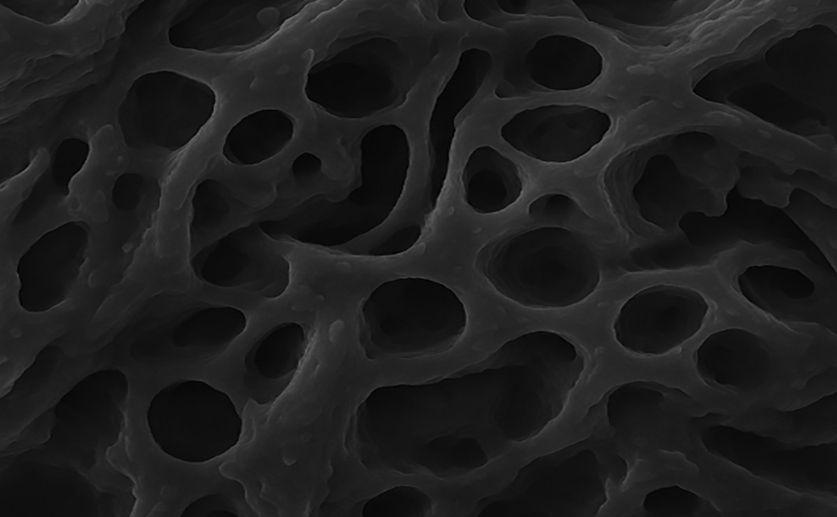
This magnified image reveals the natural, sponge-like structure of pumice, a volcanic rock used here as a scaffold to hold tiny particles that clean pharmaceutical pollutants from water.
Key Findings
- Researchers in Syria developed a new catalyst using volcanic rock and bay leaf extract to treat pharmaceutical wastewater, offering a sustainable solution
- The catalyst effectively removed over 92% of organic pollutants (COD and BOD5) and completely degraded the antibiotic amoxicillin within three hours under mild conditions
- The catalyst remained stable and reusable for at least five cycles with no harmful byproducts detected, making it a promising option for large-scale wastewater treatment
EnvironmentSustainabilityBiochem
References
Main Study
1) Green synthesis of Fe2O3-MnO2 nano-hybrids on pumice for complete degradation of pharmaceutical pollutants
Published 10th October, 2025
https://doi.org/10.1371/journal.pone.0334324
Related Studies
2) Limitations of wastewater treatment plants in removing trace anthropogenic biomarkers and future directions: A review.
3) Combination of advanced biological systems and photocatalysis for the treatment of real hospital wastewater spiked with carbamazepine: A pilot-scale study.
4) A novel interpretable machine learning and metaheuristic-based protocol to predict and optimize ciprofloxacin antibiotic adsorption with nano-adsorbent.
Related Articles
 23rd May, 2024 | Jenn Hoskins