
Inulin's Effect on Eating Habits in Youth With Obesity
Greg Howard
15th August, 2025


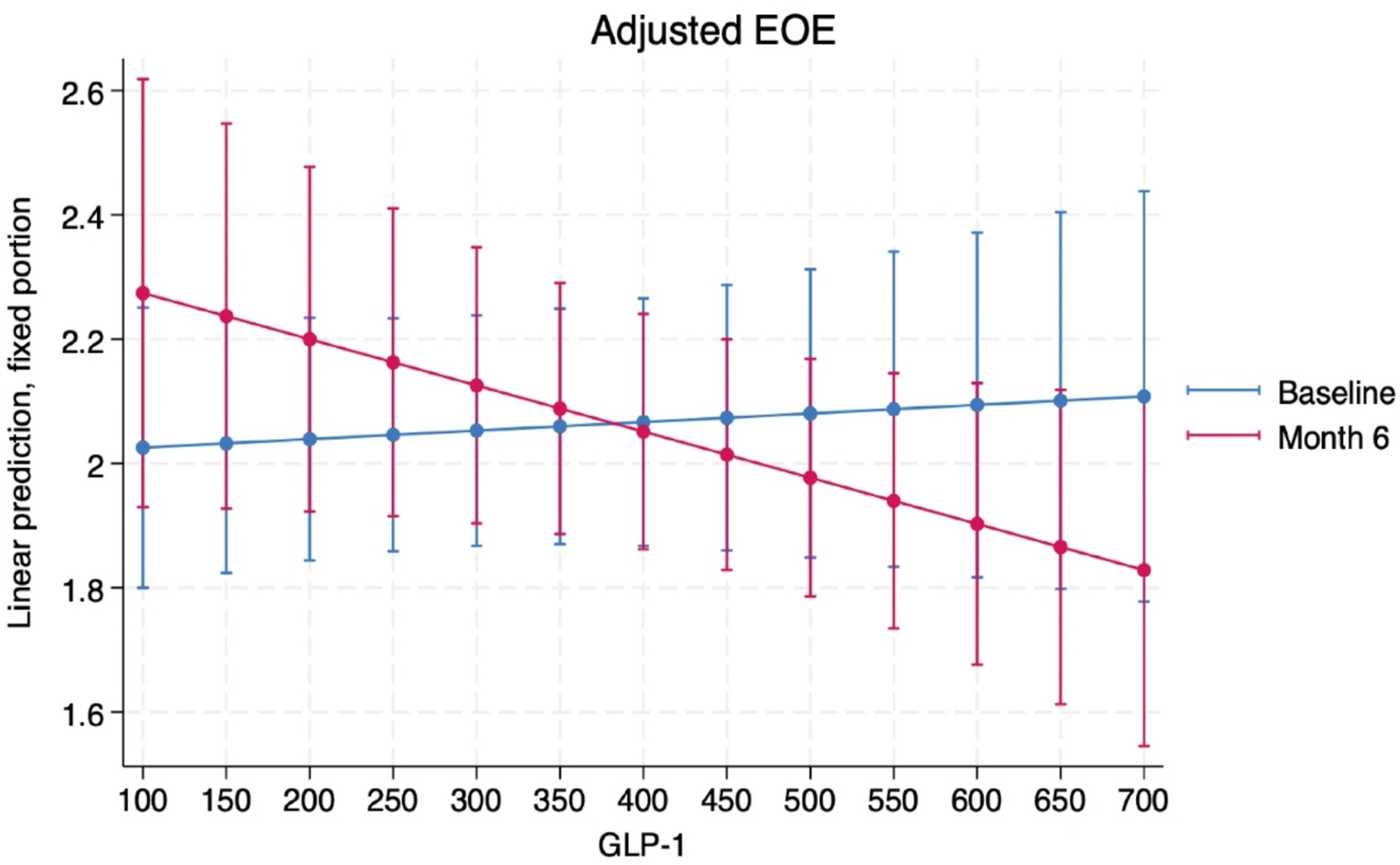
Consistent with the study's focus on appetite modulation, the analysis revealed a significant inverse correlation post-intervention where higher levels of the satiety hormone Glucagon-like peptide-1 (GLP-1) were associated with reduced emotional overeating scores in children with obesity.
Key Findings
- Research at King Chulalongkorn Memorial Hospital found that inulin supplementation helped obese children reduce "emotional undereating," meaning they ate less when feeling emotional
- This positive change was linked to shifts in gut hormones like GLP-1, which helps regulate appetite, and specific types of gut bacteria
- These findings suggest that inulin could be a promising strategy for managing childhood obesity by improving eating behaviors and appetite control
NutritionHealthFitness And Diet
References
Main Study
1) The effects of inulin supplementation on eating behaviours in children and adolescents with obesity: a randomized double-blinded placebo-controlled study
Published 12th August, 2025
https://doi.org/10.1186/s12986-025-00995-0
Related Studies
2) Development of the Children's Eating Behaviour Questionnaire.
Journal: Journal of child psychology and psychiatry, and allied disciplines, Issue: Vol 42, Issue 7, Oct 2001
3) Eating behaviour and weight in children.
4) South East Asian Nutrition Surveys II (SEANUTS II) Thailand: triple burden of malnutrition among Thai children aged 6 months to 12 years.
5) Clinical characteristics and outcomes of children, adolescents and young adults with overweight or obesity and mental health disorders.
Related Articles
 29th October, 2024 | Jim Crocker