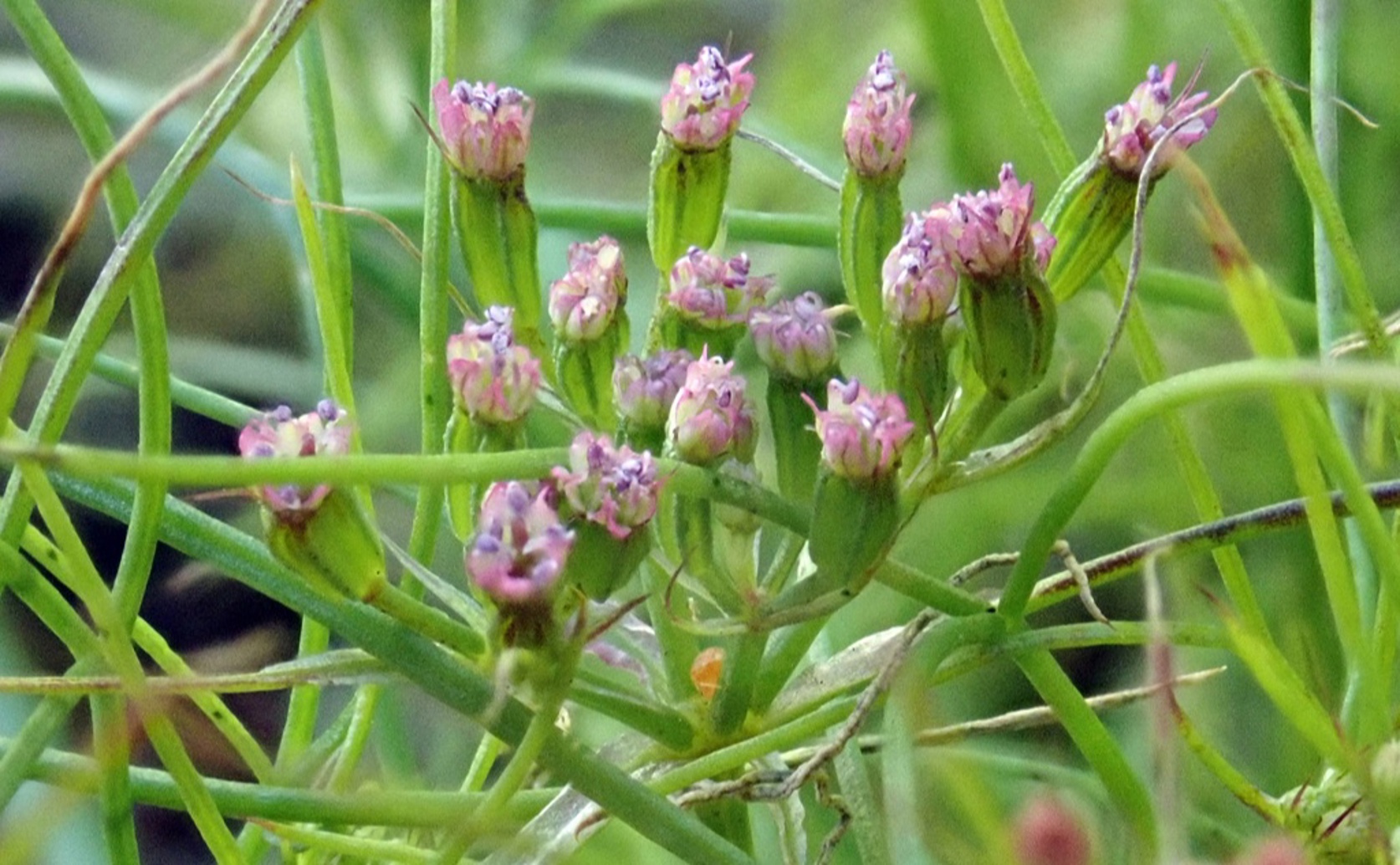
Cumin Extract Fights Flu Infection

Greg Howard
29th June, 2025

Cumin Extract Fights Flu Infection

Cumin (Cuminum cyminum)

Photographer: Peter de Lange

Key Findings

  • A study by Shinshu University and partners found that cumin extract prevents flu virus infection in lab cells, but doesn't treat existing infections
  • It works by stopping the flu virus from attaching to and entering host cells, which significantly reduces its ability to multiply
  • Unlike some other antivirals, cumin's effect is unique because it doesn't boost the body's immune response, offering a new way to fight flu
Influenza A virus (IAV) represents a significant global health challenge, causing both seasonal outbreaks and occasional pandemics. The effectiveness of current antiviral treatments is often limited by the emergence of drug-resistant viral strains, highlighting an urgent need for new therapeutic approaches. Recent research conducted by a collaborative team from Shinshu University, Bangladesh Agricultural University, S&B Foods Inc., and Taif University[1] has explored the potential of cumin, a spice widely used in Asian traditional medicine, as a novel antiviral agent against influenza. While cumin fruit, commonly known as ‘cumin seed,’ has a history of use for various ailments, its specific effects on IAV infection were not well understood until now. The study investigated the impact of a hot-water extract from cumin fruit (CWE) on IAV infection in laboratory settings, specifically using Madin-Darby canine kidney (MDCK) cells infected with the H1N1 strain of influenza A virus. The findings revealed that treating target cells with CWE before infection significantly suppressed the expression of the viral M1 protein, a crucial component for the virus. This effect was observed to be dose-dependent, meaning higher concentrations of CWE led to greater suppression. Interestingly, treating cells after they had already been infected showed no such effect, suggesting that CWE acts primarily as a preventive measure rather than a treatment for established infections. Further investigations into how CWE achieves this inhibition showed that concentrations of 12.5 µg/mL or higher effectively blocked two key processes essential for the virus to infect cells. Firstly, CWE inhibited IAV-induced haemagglutination. Haemagglutination is the process by which the influenza virus uses a protein called hemagglutinin on its surface to bind to receptors on host cells, a critical first step for infection. Secondly, CWE also inhibited clathrin-dependent endocytosis. Endocytosis is the process where cells absorb external material by engulfing it with their membrane, and clathrin-dependent endocytosis is a specific pathway viruses often exploit to enter cells. By blocking these entry mechanisms, CWE significantly reduced the virus's ability to replicate, as confirmed by plaque formation assays, which measure the number of infectious virus particles. This mechanism of action is particularly noteworthy when compared to other antiviral strategies. The body's natural defense against influenza, as described in prior research, heavily relies on type I interferons (IFNs)[2]. These IFNs, such as IFN-α and IFN-β, act as early warning signals, triggering a cascade of immune responses to combat the virus. While host cells have evolved sophisticated ways to sense influenza viruses and produce IFNs, the viruses themselves have developed various strategies to counteract or evade these IFN responses[2]. Other traditional medicines have also been explored for their antiviral properties, with some demonstrating an ability to enhance the host's immune response. For instance, studies on Polygonum cuspidatum (PC) and its active components, resveratrol and emodin, found that these compounds attenuated influenza viral replication not only by directly inhibiting the virus but also by increasing the expression of interferon beta (IFN-β) through a pathway involving Toll-like receptor 9 (TLR9)[3]. This suggests that their antiviral activity was partly due to a synergistic effect with the host's IFN response. In stark contrast to these findings, the Shinshu University-led study found that CWE did not affect the expression of type I interferon or other IFN-stimulated antiviral protein genes in the virus-infected cells. This indicates that cumin's antiviral action operates through a different pathway, independent of boosting the host's innate interferon response. This is a significant distinction, as it suggests a novel mechanism that could potentially bypass viral evasion strategies aimed at the IFN pathway. The researchers also investigated whether cuminaldehyde, a known component of cumin, was responsible for these effects. Using high-performance liquid chromatography, they determined that cuminaldehyde was not detectable in the specific CWE used in their study. Furthermore, treating cells with a standard cuminaldehyde compound did not show any inhibition of IAV infection, confirming that another active component within the cumin extract is responsible for its antiviral properties. In conclusion, this in vitro study provides compelling evidence that hot-water extract from cumin fruit can inhibit influenza A virus infection by directly interfering with the virus's ability to attach to and enter host cells. This mechanism, which involves limiting viral attachment (haemagglutination) and absorption (clathrin-dependent endocytosis), is distinct from stimulating the host's interferon response, offering a new avenue for preventing influenza A virus infections without harming host cells. This research opens the door for further investigation into CWE as a potential preventive agent against influenza.

FruitsMedicineHealth

References

Main Study

1) Inhibitory effects of a hot-water extract of cumin fruit on influenza A virus infection

Published 27th June, 2025

https://doi.org/10.1371/journal.pone.0326423


Related Studies

2) Evasion mechanisms of the type I interferons responses by influenza A virus.

https://doi.org/10.1080/1040841X.2020.1794791


3) Polygonum cuspidatum and its active components inhibit replication of the influenza virus through toll-like receptor 9-induced interferon beta expression.

https://doi.org/10.1371/journal.pone.0117602


Related Articles

An unhandled error has occurred. Reload 🗙